Concrete Block Making Machines and Production Line Solutions
REIT provides concrete block making machines and production line equipment for manufacturers of concrete masonry products, paving materials and other precast concrete elements.
Our product range includes fully automatic block making machines, semi-automatic block machines and supporting production equipment. Different models are designed to accommodate different production capacities, finished product specifications, automation requirements and factory conditions.
Whether you are planning a new concrete block factory or expanding an existing production facility, REIT can help you evaluate machine models and configure the equipment required for your production process.
Mostrando 1–12 do 74 resultados
-

fábricas de máquinas automáticas para fabricação de blocos
-
Atacadistas de máquinas automáticas para fazer blocos
-
máquina automática de fabricação de blocos de paver
-
Máquina automática para fazer blocos de pavimentação
-
máquina de fazer bloco livre de cozimento
-
máquina de fazer bloco de melhor qualidade
-
Fábrica de Máquinas para Fabricação de Blocos
-
Vendo máquina de fazer blocos
-
máquina de fazer tijolos e blocos
-
citações da máquina de fazer blocos de tijolos
-
máquina de fazer bloco de construção
-
Máquina para fazer blocos de construção
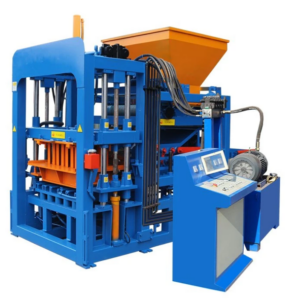
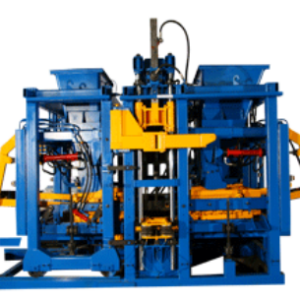
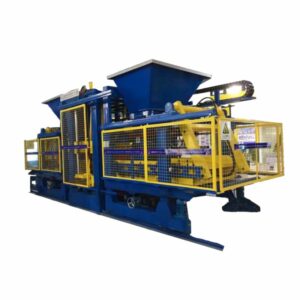
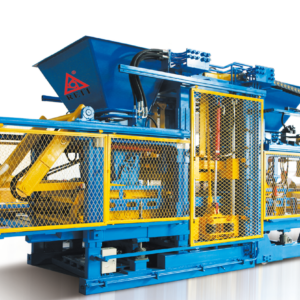
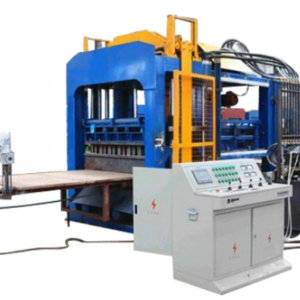
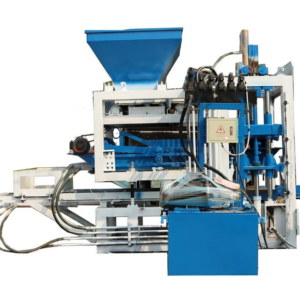
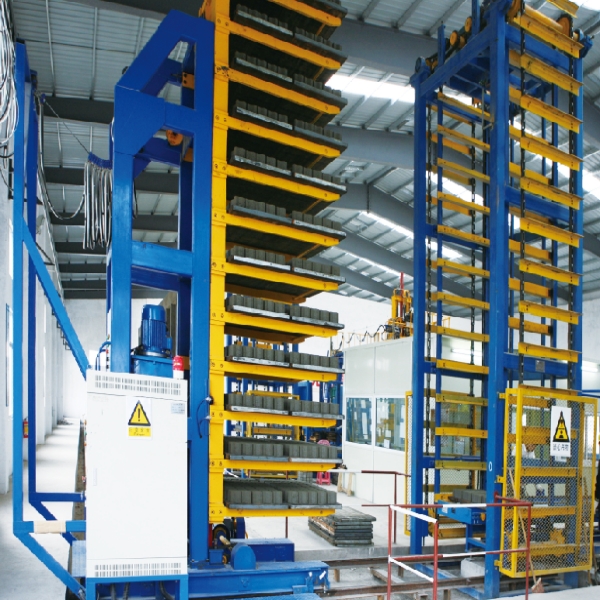
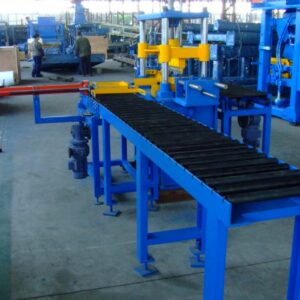
Explore Our Concrete Block Machine Categories
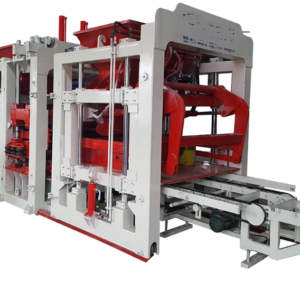
Máquina de fabricação de blocos totalmente automática
Fully automatic block making machines are designed for manufacturers who need coordinated production processes and reduced manual material handling.
The molding machine works with the feeding, conveying and stacking systems to support continuous production. Depending on the selected configuration, the production line can also integrate aggregate batching, cement weighing and concrete mixing equipment.
Different machine models offer different pallet dimensions, effective molding areas, vibration systems and product height ranges. These differences determine which finished products can be accommodated and how many units can be formed in one molding cycle.
For manufacturers producing multiple product types, compatible molds and secondary distribution systems can also be considered.
Suitable for: Commercial block factories, paving material manufacturers, construction material suppliers and projects requiring relatively high production volumes.
Explorar: Máquinas de fabricação de blocos totalmente automáticas
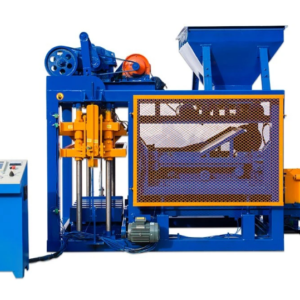
Semi-Automatic Block Making Machine
Semi-automatic block making machines combine hydraulic molding and vibration technology with operator-assisted production processes.
Compared with a fully integrated production line, a semi-automatic configuration generally involves more manual participation in material feeding, pallet handling or product transfer. This gives manufacturers flexibility in arranging their production workflow and selecting supporting equipment according to their available workforce and existing facilities.
For businesses that already own concrete mixers, batching equipment or forklifts, the existing equipment can be evaluated before preparing a new machine package.
Suitable for: Small and medium-sized concrete block manufacturers, new manufacturing businesses and factories with flexible production schedules.
Explorar: Máquinas de fabricação de blocos semi-automáticos
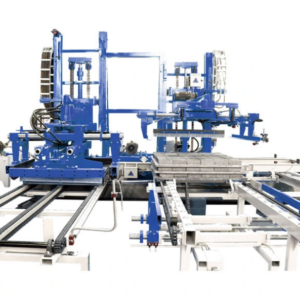
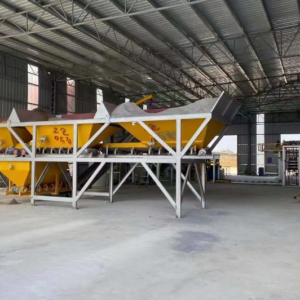
Equipamento Agrupado
A block making machine requires a stable supply of properly prepared concrete. Batching and mixing equipment therefore play an important role in maintaining material consistency and supporting the molding process.
REIT’s grouped equipment covers supporting machinery used in concrete production and material preparation. The equipment arrangement should correspond to the raw materials, concrete mix requirements and material consumption of the selected block machine.
Por exemplo, a factory producing standard hollow blocks may have different batching and mixing requirements from a manufacturer producing colored pavers with a separate face mix.
Explorar: Equipamento Agrupado
Equipamento acessório
Supporting machinery helps complete the production process and handle specific manufacturing operations.
Depending on the production requirements, accessory equipment may be used for product transportation, empilhamento, divisão, pallet handling or other downstream operations.
When evaluating additional equipment, buyers should consider its connection with the main molding machine, velocidade de produção, product dimensions and available workshop space. Equipment compatibility should be confirmed before integrating it into an existing production line.
Explorar: Equipamento acessório
Available Machine Models: Compare Technical Specifications Before Choosing
Choosing a concrete block making machine based only on its model number or advertised hourly output can lead to an unsuitable equipment purchase.
The actual molding capability is determined by several technical factors:
-
Tamanho do palete: Determines the available area for arranging products during each molding cycle.
-
Effective Molding Area: Defines the usable space within which the mold can operate.
-
Altura do Produto: Determines the range of block thicknesses and product dimensions that the machine can accommodate.
-
Ciclo de moldagem: Affects the theoretical number of production cycles within a given period.
-
Sistema de vibração: Influences concrete compaction and the formation of different product types.
-
Sistema Hidráulico: Supplies the force required for machine movement and molding operations.
-
Mold Configuration: Determines the number, dimensions and shapes of products produced per pallet.
The following models provide different technical configurations for concrete block manufacturing.
Comparação Técnica
| Especificação Técnica | RTQT12 (Alta eficiência) | RT15A (Serviço Pesado Premium) |
| Posicionamento de mercado | Alto ROI para projetos padrão de grande escala | Desempenho Supremo para Infraestrutura Pesada |
| Tempo de Ciclo | 15 – 20 Segundos | 13 – 18 Segundos |
| Tamanho do palete | 1400 × 1100 milímetros | 1400 × 1300 milímetros |
| Força de vibração | 100 – 120 kN | 120 – 150 kN |
| Poder total | 52.5 kW | 65 kW |
| Sistema de controle | CLP Siemens Integrado | Série avançada da Siemens com diagnóstico em nuvem |
| Melhor para | Tijolos padrão, Pavimentadores, Blocos ocos | Meio-fio de alta densidade & Pavimentadoras de grande formato |
Encontre a solução para o seu setor
Infraestrutura Urbana & Obras públicas
-
Foco: Durabilidade extrema, dimensões de precisão, e alta capacidade de carga.
-
Produtos alvo: Meio-fio, blocos de drenagem para serviços pesados, e pavimentadoras de estradas municipais.
-
Modelo recomendado: RT15A — Projetado com vibração de alta intensidade para garantir a densidade e a resistência ao gelo necessárias para projetos governamentais.
-
Principal benefício: Atenda aos rigorosos padrões internacionais de resistência à compressão e resistência ao desgaste.
Habitação Acessível & Construção
-
Foco: Saída de alto volume, baixo custo por unidade, e versatilidade de matéria-prima.
-
Produtos alvo: Blocos ocos portantes, tijolos sólidos padrão, e blocos de parede leves.
-
Modelo recomendado: RTQT10 / RT9DA - Construído para 24/7 confiabilidade para fornecer rapidamente grandes empreendimentos habitacionais.
-
Principal benefício: Otimizado para usar resíduos locais (cinzas volantes, escória) para reduzir custos de produção.
Paisagismo Comercial & Projetos Decorativos
-
Foco: Flexibilidade estética, coloração vibrante, e texturas complexas.
-
Produtos alvo: Pavimentadoras interligadas, tijolos arquitetônicos coloridos, e pavimentação de buracos de grama para estacionamento.
-
Modelo recomendado: RTQT12 (com sistema de mistura facial) — Apresenta um sistema de alimentação secundário para aplicação precisa na superfície da cor.
-
Principal benefício: Produza com alta margem “prêmio” pedras que cobram um preço de mercado mais elevado para embelezamento urbano.
Choose a Concrete Block Making Machine Based on Your Finished Products
The finished product should be the starting point of machine selection, not an afterthought.
Different concrete products require different mold structures, cavity arrangements, material distribution methods and molding parameters. A machine that performs well when producing standard hollow blocks may need additional equipment or a different configuration when manufacturing colored pavers or large-format curbstones.
Before selecting a model, buyers should provide the required product drawings or dimensions, including length, largura, altura, wall thickness and any special surface requirements.
Hollow Concrete Blocks
Hollow blocks are commonly used in residential, commercial and industrial construction. Their production requires consistent mold filling, suitable vibration and compaction, and accurate demolding.
When selecting a machine for hollow blocks, evaluate:
- Block dimensions and hollow-core arrangement
- Number of blocks produced per pallet
- Required wall thickness and product density
- Mold compatibility with the machine’s effective molding area
- Production volume required by local construction demand
Blocos de concreto sólidos
Solid concrete blocks are used in different masonry and construction applications. Their greater material volume compared with hollow blocks affects the mold arrangement, material consumption and production capacity.
Machine selection should focus on:
- Solid block dimensions and thickness
- Required density and compressive strength
- Number of units produced per molding cycle
- Concrete mix consistency
- Demolding and green product handling
Interlocking and Decorative Paving Blocks
Paving block manufacturing involves additional considerations beyond basic concrete molding. Product geometry, surface appearance, thickness and dimensional consistency are important for installation and long-term pavement performance.
For colored or decorative pavers, a secondary face mix system may be required to feed a separate surface layer over the base concrete.
When evaluating a paver production configuration, consider:
- Paver shape, dimensions and thickness
- Number of pieces produced per pallet
- Whether single-layer or two-layer production is required
- Color and surface finish requirements
- Mold changeover and product handling arrangements
Curbstones and Roadside Concrete Products
Curbstones are used in road construction, calçadas, parking facilities and landscape engineering. Their dimensions can vary significantly depending on municipal specifications and installation requirements.
The machine must have a suitable molding area and product height range for the selected curbstone design. Mold structure, concrete feeding and demolding conditions also need to be evaluated.
For large-format roadside products, do not select a machine solely by the number of blocks produced per pallet. The available molding dimensions and product height are equally important.
Pavimentadoras permeáveis, Grass Pavers and Slope Protection Blocks
These products are used in landscaping, áreas de estacionamento, drainage applications, riverbank protection and other infrastructure projects.
Their mold structures and concrete mix requirements may differ from conventional masonry blocks. Product porosity, opening dimensions, shape stability and the required surface finish should be considered when selecting the production equipment.
REIT’s product range includes machine configurations capable of manufacturing different pavers and special concrete products through compatible molds and production arrangements.
Product-to-Machine Selection Reference
|
Main Product |
Key Technical Consideration |
Configuration to Evaluate |
|
Blocos ocos |
Cavity arrangement, wall thickness, saída |
Standard molding machine and compatible mold |
|
Blocos Sólidos |
Densidade, dimensões, consumo de materiais |
Molding and compaction configuration |
|
Pavimentadoras Intertravadas |
Shape, thickness, surface finish |
Paver mold and suitable feeding system |
|
Colored Pavers |
Base layer and face layer |
Secondary distribution / face mix system |
|
Meio-fio |
Product height and molding area |
Compatible large-format mold |
|
Grass Pavers |
Opening structure and dimensions |
Customized mold |
|
Slope Protection Blocks |
Shape, thickness and product stability |
Product-specific mold and process |
Important: One machine may produce multiple product types, but this does not mean every mold can be used without checking compatibility. The effective molding area, product height, mold installation dimensions and feeding arrangement must all match.
If your factory plans to manufacture several products, provide REIT with the drawings or dimensions of each product. This allows the mold and machine configuration to be evaluated before equipment procurement.
What Is Included in the Configuration?
A concrete block production line is more than a molding machine. Its configuration should be determined by the complete manufacturing process, from raw material preparation to finished product handling.
Depending on the selected machine model and project requirements, a REIT production line may include the following equipment:
|
Equipamento |
Main Function |
|
Aggregate Batching System |
Stores and measures sand, stone and other aggregates |
|
Cement Batching System |
Measures cement and other powder materials |
|
Misturador de concreto |
Produces uniform concrete mixtures |
|
Concrete Conveyor |
Transfers mixed materials to the block machine |
|
Máquina de fazer blocos |
Forms concrete products through feeding, vibration and compaction |
|
Mold System |
Determines product dimensions and shapes |
|
Green Block Conveyor |
Transfers newly molded products |
|
Empilhador Automático |
Stacks pallets or green products according to the configured process |
|
Paletes |
Support concrete products during molding and handling |
|
Área de cura |
Provides suitable conditions for concrete curing |
Production Capacity and Site Requirements
Machine capacity should be evaluated according to the actual finished product rather than relying on a single advertised production figure.
Por exemplo, the number of hollow blocks produced per pallet may differ significantly from the number of smaller pavers or standard bricks produced in the same cycle.
Reference Production Capacity
The following figures are based on published REIT machine specifications and capacity tables.
|
Modelo |
produtos |
Pieces/Pallet |
Reference Output |
|
RTQT6 |
400 × 200 × 200 mm Hollow Block |
6 |
1,200 peças/hora |
|
RTQT6 |
200 × 100 × 60 mm Paver |
21 |
76 m²/hour |
|
RTQT12 |
400 × 200 × 200 mm Hollow Block |
12 |
2,400 peças/hora |
|
RTQT12 |
200 × 100 × 60 mm Paver |
44 |
158.4 m²/hour |
|
RTQT18 |
400 × 200 × 200 mm Hollow Block |
18 |
3,000 peças/hora |
|
RTQT18 |
200 × 100 × 60 mm Paver |
50 |
180 m²/hour |
Factory Site Requirements
Before purchasing equipment, buyers should evaluate the following site conditions:
- Workshop Space:Machine installation area, maintenance clearance and material transportation routes.
- Raw Material Storage:Separate storage arrangements for cement, areia, aggregates and other materials.
- Electrical Supply:Tensão, freqüência, installed power and local electrical requirements.
- Water Supply:Water availability for concrete mixing and cleaning.
- Área de cura:Space for curing green blocks and organizing finished products.
- Manuseio de materiais:Forklifts, pallet transportation and loading arrangements.
REIT can review your available factory space and project requirements to help determine a suitable production line layout.
Automation and Labour Requirements
Automation affects not only production efficiency but also the number of operators, material handling arrangements and the overall organization of the factory.
Fully Automatic Production Line
A fully automatic configuration can integrate material batching, misturando, moldagem, conveying and stacking processes.
Depending on the selected configuration, automated equipment can reduce manual material transfer and improve process consistency.
Suitable for:
- Manufacturers with relatively stable and continuous orders
- Factories producing standardized concrete products
- Businesses planning higher production volumes
- Manufacturers seeking to reduce repetitive manual handling
Semi-Automatic Production Line
Semi-automatic equipment involves greater operator participation in selected production processes.
Depending on the equipment package, operators may need to manage material supply, manuseio de paletes, green block transfer and stacking.
Suitable for:
- Small and medium-sized block manufacturers
- New businesses entering the concrete products market
- Factories with flexible product schedules
- Buyers seeking a lower initial investment
How Many Operators Are Required?
The number of operators depends on the machine model, degree of automation, batching and mixing arrangement, pallet handling system and factory workflow.
Instead of publishing one universal labor figure, REIT should provide an estimated staffing arrangement with each project proposal.
Available Options for Your Production Line
REIT can evaluate additional equipment and configuration options according to the required finished products and production targets.
|
Available Option |
Purpose |
|
Face Mix System |
Supports colored or decorative surface layers for pavers |
|
Customized Molds |
Produces different block shapes and dimensions |
|
Automatic Pallet Handling |
Reduces manual pallet transfer |
|
Automatic Stacking System |
Improves green product stacking and handling |
|
Additional Batching Equipment |
Supports different raw material combinations |
|
Production Line Expansion |
Allows additional equipment to be integrated where compatible |
|
Control System Configuration |
Supports production operation and parameter management |
The availability of each option depends on the machine model and technical configuration. Please confirm compatibility during the quotation process.
Request a Configuration Proposal
Not sure which concrete block making machine is right for your factory?
Send us your production requirements, and our team will help evaluate suitable models, supporting equipment and production line configurations.
To prepare a more accurate proposal, please provide:
- Main finished products and dimensions
- Expected daily or hourly production volume
- Preferred automation level
- Available factory space
- Existing batching, mixing or handling equipment
- Project location and electrical specifications
Request Your Machine Configuration Proposal