Concrete Block Making Machines and Production Line Solutions
REIT provides concrete block making machines and production line equipment for manufacturers of concrete masonry products, paving materials and other precast concrete elements.
Our product range includes fully automatic block making machines, semi-automatic block machines and supporting production equipment. Different models are designed to accommodate different production capacities, finished product specifications, automation requirements and factory conditions.
Whether you are planning a new concrete block factory or expanding an existing production facility, REIT can help you evaluate machine models and configure the equipment required for your production process.
1 laten zien–12 van 74 resultaten
-

fabrieken voor het maken van automatische blokken
-
Groothandelaars in automatische blokmachines
-
automatische machine voor het maken van bestratingsblokken
-
Automatische bestratingsmachine voor het maken van blokken
-
bakvrije machine voor het maken van blokken
-
machine voor het maken van blokken van de beste kwaliteit
-
Machinefabriek voor het maken van blokken
-
blok maken machine verkoop
-
machine voor het maken van stenen en blokken
-
offertes voor het maken van bakstenen blokken
-
machine voor het maken van bouwstenen
-
Bouwsteenvervaardigingsmachine
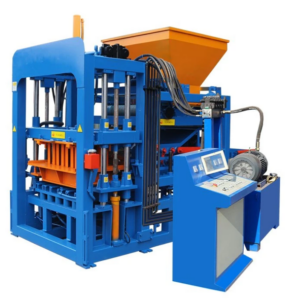
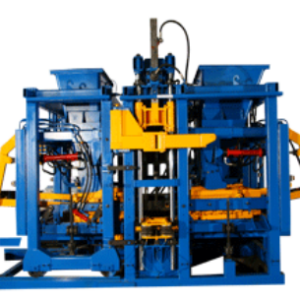
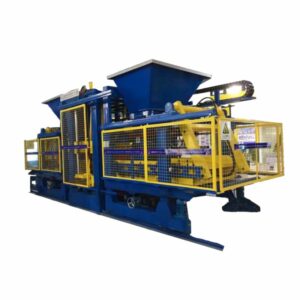
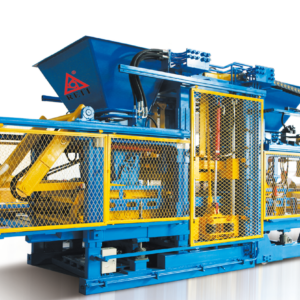
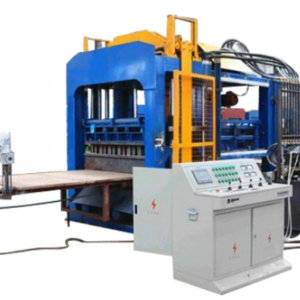
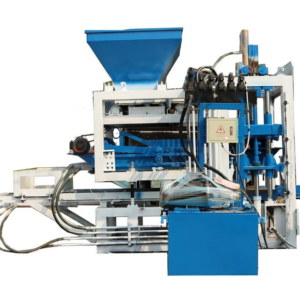
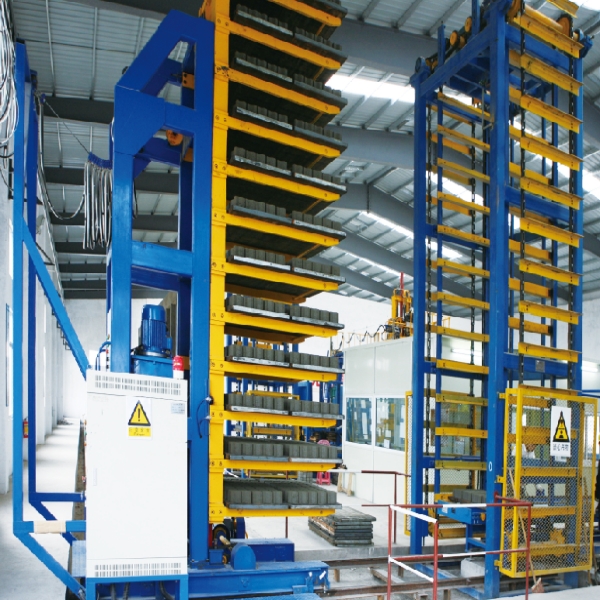
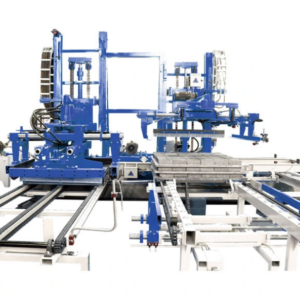
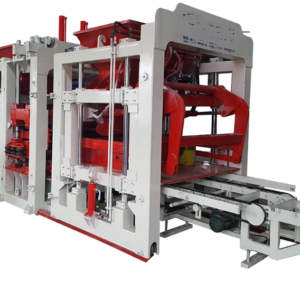
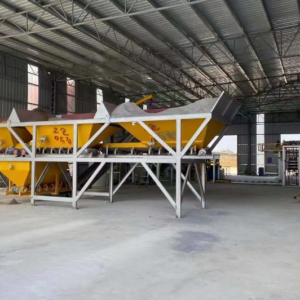
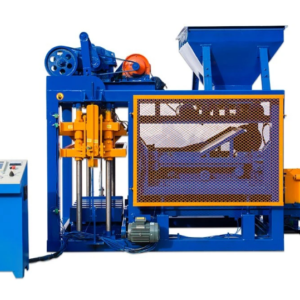
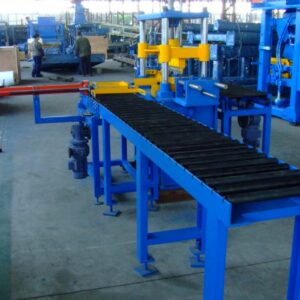
Explore Our Concrete Block Machine Categories
Volautomatische machine voor het maken van blokken
Fully automatic block making machines are designed for manufacturers who need coordinated production processes and reduced manual material handling.
The molding machine works with the feeding, conveying and stacking systems to support continuous production. Depending on the selected configuration, the production line can also integrate aggregate batching, cement weighing and concrete mixing equipment.
Different machine models offer different pallet dimensions, effective molding areas, vibration systems and product height ranges. These differences determine which finished products can be accommodated and how many units can be formed in one molding cycle.
For manufacturers producing multiple product types, compatible molds and secondary distribution systems can also be considered.
Suitable for: Commercial block factories, paving material manufacturers, construction material suppliers and projects requiring relatively high production volumes.
Ontdekken: Volautomatische machines voor het maken van blokken
Semi-Automatic Block Making Machine
Semi-automatic block making machines combine hydraulic molding and vibration technology with operator-assisted production processes.
Compared with a fully integrated production line, a semi-automatic configuration generally involves more manual participation in material feeding, pallet handling or product transfer. This gives manufacturers flexibility in arranging their production workflow and selecting supporting equipment according to their available workforce and existing facilities.
For businesses that already own concrete mixers, batching equipment or forklifts, the existing equipment can be evaluated before preparing a new machine package.
Suitable for: Small and medium-sized concrete block manufacturers, new manufacturing businesses and factories with flexible production schedules.
Ontdekken: Semi-automatische machines voor het maken van blokken
Gegroepeerde apparatuur
A block making machine requires a stable supply of properly prepared concrete. Batching and mixing equipment therefore play an important role in maintaining material consistency and supporting the molding process.
REIT’s grouped equipment covers supporting machinery used in concrete production and material preparation. The equipment arrangement should correspond to the raw materials, concrete mix requirements and material consumption of the selected block machine.
Bijvoorbeeld, a factory producing standard hollow blocks may have different batching and mixing requirements from a manufacturer producing colored pavers with a separate face mix.
Ontdekken: Gegroepeerde apparatuur
Toebehoren:
Supporting machinery helps complete the production process and handle specific manufacturing operations.
Depending on the production requirements, accessory equipment may be used for product transportation, stapelen, splitsen, pallet handling or other downstream operations.
When evaluating additional equipment, buyers should consider its connection with the main molding machine, productie snelheid, product dimensions and available workshop space. Equipment compatibility should be confirmed before integrating it into an existing production line.
Ontdekken: Toebehoren:
Available Machine Models: Compare Technical Specifications Before Choosing
Choosing a concrete block making machine based only on its model number or advertised hourly output can lead to an unsuitable equipment purchase.
The actual molding capability is determined by several technical factors:
-
Palletgrootte: Determines the available area for arranging products during each molding cycle.
-
Effective Molding Area: Defines the usable space within which the mold can operate.
-
Producthoogte:: Determines the range of block thicknesses and product dimensions that the machine can accommodate.
-
Vormcyclus: Affects the theoretical number of production cycles within a given period.
-
Trillingssysteem: Influences concrete compaction and the formation of different product types.
-
Hydraulisch systeem: Supplies the force required for machine movement and molding operations.
-
Mold Configuration: Determines the number, dimensions and shapes of products produced per pallet.
The following models provide different technical configurations for concrete block manufacturing.
Technische vergelijking
| Technische specificatie | RTQT12 (Hoge efficiëntie) | RT15A (Premium zwaar uitgevoerd) |
| Marktpositionering | Hoge ROI voor standaard grootschalige projecten | Superieure prestaties voor zware infrastructuur |
| Cyclustijd | 15 – 20 Seconden | 13 – 18 Seconden |
| Palletgrootte | 1400 × 1100 mm | 1400 × 1300 mm |
| Trillingskracht | 100 – 120 kN | 120 – 150 kN |
| Totale kracht | 52.5 kW | 65 kW |
| Controle systeem | Siemens PLC geïntegreerd | Geavanceerde Siemens-serie met clouddiagnostiek |
| Het beste voor | Standaard stenen, Straatbanden, Holle blokken | Stoepranden met hoge dichtheid & Grootformaat straatstenen |
Vind uw brancheoplossing
Stedelijke infrastructuur & Openbare werkzaamheden
-
Focus: Extreme duurzaamheid, precisie afmetingen, en hoog draagvermogen.
-
Doelproducten: Stoepranden, zware drainageblokken, en gemeentelijke wegenbouwers.
-
Aanbevolen model: RT15A — Ontworpen met trillingen met hoge intensiteit om de dichtheid en vorstbestendigheid te garanderen die vereist zijn voor overheidsprojecten.
-
Belangrijkste voordeel: Voldoe aan strenge internationale normen voor druksterkte en slijtvastheid.
Betaalbare huisvesting & Bouw
-
Focus: Uitvoer met hoog volume, lage kosten per eenheid, en veelzijdigheid van grondstoffen.
-
Doelproducten: Dragende holle blokken, standaard massieve stenen, en lichtgewicht muurblokken.
-
Aanbevolen model: RTQT10 / RT9DA — Gebouwd voor 24/7 betrouwbaarheid om snel enorme woningbouwprojecten te leveren.
-
Belangrijkste voordeel: Geoptimaliseerd voor het gebruik van lokale afvalstoffen (vliegas, slak) om de productiekosten te verlagen.
Commerciële landschapsarchitectuur & Decoratieve projecten
-
Focus: Esthetische flexibiliteit, levendige kleuren, en complexe texturen.
-
Doelproducten: In elkaar grijpende straatstenen, gekleurde architecturale bakstenen, en gras-hole straatstenen voor het parkeren.
-
Aanbevolen model: RTQT12 (met Face Mix-systeem) — Beschikt over een secundair invoersysteem voor nauwkeurige kleuroppervlaktoepassing.
-
Belangrijkste voordeel: Produceer hoge marges “premie” stenen die een hogere marktprijs vragen voor stedelijke verfraaiing.
Choose a Concrete Block Making Machine Based on Your Finished Products
The finished product should be the starting point of machine selection, not an afterthought.
Different concrete products require different mold structures, cavity arrangements, material distribution methods and molding parameters. A machine that performs well when producing standard hollow blocks may need additional equipment or a different configuration when manufacturing colored pavers or large-format curbstones.
Before selecting a model, buyers should provide the required product drawings or dimensions, including length, breedte, hoogte, wall thickness and any special surface requirements.
Hollow Concrete Blocks
Hollow blocks are commonly used in residential, commercial and industrial construction. Their production requires consistent mold filling, suitable vibration and compaction, and accurate demolding.
When selecting a machine for hollow blocks, evaluate:
- Block dimensions and hollow-core arrangement
- Number of blocks produced per pallet
- Required wall thickness and product density
- Mold compatibility with the machine’s effective molding area
- Production volume required by local construction demand
Stevige betonblokken
Solid concrete blocks are used in different masonry and construction applications. Their greater material volume compared with hollow blocks affects the mold arrangement, material consumption and production capacity.
Machine selection should focus on:
- Solid block dimensions and thickness
- Required density and compressive strength
- Number of units produced per molding cycle
- Concrete mix consistency
- Demolding and green product handling
Interlocking and Decorative Paving Blocks
Paving block manufacturing involves additional considerations beyond basic concrete molding. Product geometry, surface appearance, thickness and dimensional consistency are important for installation and long-term pavement performance.
For colored or decorative pavers, a secondary face mix system may be required to feed a separate surface layer over the base concrete.
When evaluating a paver production configuration, consider:
- Paver shape, dimensions and thickness
- Number of pieces produced per pallet
- Whether single-layer or two-layer production is required
- Color and surface finish requirements
- Mold changeover and product handling arrangements
Curbstones and Roadside Concrete Products
Curbstones are used in road construction, trottoirs, parking facilities and landscape engineering. Their dimensions can vary significantly depending on municipal specifications and installation requirements.
The machine must have a suitable molding area and product height range for the selected curbstone design. Mold structure, concrete feeding and demolding conditions also need to be evaluated.
For large-format roadside products, do not select a machine solely by the number of blocks produced per pallet. The available molding dimensions and product height are equally important.
Doorlatende straatstenen, Grass Pavers and Slope Protection Blocks
These products are used in landscaping, parkeerplaatsen, drainage applications, riverbank protection and other infrastructure projects.
Their mold structures and concrete mix requirements may differ from conventional masonry blocks. Product porosity, opening dimensions, shape stability and the required surface finish should be considered when selecting the production equipment.
REIT’s product range includes machine configurations capable of manufacturing different pavers and special concrete products through compatible molds and production arrangements.
Product-to-Machine Selection Reference
|
Main Product |
Key Technical Consideration |
Configuration to Evaluate |
|
Holle blokken |
Cavity arrangement, wall thickness, uitgang |
Standard molding machine and compatible mold |
|
Stevige blokken |
Dikte, afmetingen, materiële consumptie |
Molding and compaction configuration |
|
In elkaar grijpende straatstenen |
Shape, thickness, surface finish |
Paver mold and suitable feeding system |
|
Colored Pavers |
Base layer and face layer |
Secondary distribution / face mix system |
|
Stoepranden |
Product height and molding area |
Compatible large-format mold |
|
Grass Pavers |
Opening structure and dimensions |
Customized mold |
|
Slope Protection Blocks |
Shape, thickness and product stability |
Product-specific mold and process |
Important: One machine may produce multiple product types, but this does not mean every mold can be used without checking compatibility. The effective molding area, product height, mold installation dimensions and feeding arrangement must all match.
If your factory plans to manufacture several products, provide REIT with the drawings or dimensions of each product. This allows the mold and machine configuration to be evaluated before equipment procurement.
What Is Included in the Configuration?
A concrete block production line is more than a molding machine. Its configuration should be determined by the complete manufacturing process, from raw material preparation to finished product handling.
Depending on the selected machine model and project requirements, a REIT production line may include the following equipment:
|
Apparatuur |
Main Function |
|
Aggregate Batching System |
Stores and measures sand, stone and other aggregates |
|
Cement Batching System |
Measures cement and other powder materials |
|
Betonmixer |
Produces uniform concrete mixtures |
|
Concrete Conveyor |
Transfers mixed materials to the block machine |
|
Machine voor het maken van blokken |
Forms concrete products through feeding, vibration and compaction |
|
Mold System |
Determines product dimensions and shapes |
|
Green Block Conveyor |
Transfers newly molded products |
|
Automatische stapelaar |
Stacks pallets or green products according to the configured process |
|
Pallets |
Support concrete products during molding and handling |
|
Uithardingsgebied |
Provides suitable conditions for concrete curing |
Production Capacity and Site Requirements
Machine capacity should be evaluated according to the actual finished product rather than relying on a single advertised production figure.
Bijvoorbeeld, the number of hollow blocks produced per pallet may differ significantly from the number of smaller pavers or standard bricks produced in the same cycle.
Reference Production Capacity
The following figures are based on published REIT machine specifications and capacity tables.
|
Model |
Product |
Pieces/Pallet |
Reference Output |
|
RTQT6 |
400 × 200 × 200 mm Hollow Block |
6 |
1,200 stuks/uur |
|
RTQT6 |
200 × 100 × 60 mm Paver |
21 |
76 m²/hour |
|
RTQT12 |
400 × 200 × 200 mm Hollow Block |
12 |
2,400 stuks/uur |
|
RTQT12 |
200 × 100 × 60 mm Paver |
44 |
158.4 m²/hour |
|
RTQT18 |
400 × 200 × 200 mm Hollow Block |
18 |
3,000 stuks/uur |
|
RTQT18 |
200 × 100 × 60 mm Paver |
50 |
180 m²/hour |
Factory Site Requirements
Before purchasing equipment, buyers should evaluate the following site conditions:
- Workshop Space:Machine installation area, maintenance clearance and material transportation routes.
- Raw Material Storage:Separate storage arrangements for cement, zand, aggregates and other materials.
- Electrical Supply:Spanning, frequentie, installed power and local electrical requirements.
- Water Supply:Water availability for concrete mixing and cleaning.
- Uithardingsgebied:Space for curing green blocks and organizing finished products.
- Materiaalbehandeling:Forklifts, pallet transportation and loading arrangements.
REIT can review your available factory space and project requirements to help determine a suitable production line layout.
Automation and Labour Requirements
Automation affects not only production efficiency but also the number of operators, material handling arrangements and the overall organization of the factory.
Fully Automatic Production Line
A fully automatic configuration can integrate material batching, mengen, gieten, conveying and stacking processes.
Depending on the selected configuration, automated equipment can reduce manual material transfer and improve process consistency.
Suitable for:
- Manufacturers with relatively stable and continuous orders
- Factories producing standardized concrete products
- Businesses planning higher production volumes
- Manufacturers seeking to reduce repetitive manual handling
Semi-Automatic Production Line
Semi-automatic equipment involves greater operator participation in selected production processes.
Depending on the equipment package, operators may need to manage material supply, palletbehandeling, green block transfer and stacking.
Suitable for:
- Small and medium-sized block manufacturers
- New businesses entering the concrete products market
- Factories with flexible product schedules
- Buyers seeking a lower initial investment
How Many Operators Are Required?
The number of operators depends on the machine model, degree of automation, batching and mixing arrangement, pallet handling system and factory workflow.
Instead of publishing one universal labor figure, REIT should provide an estimated staffing arrangement with each project proposal.
Available Options for Your Production Line
REIT can evaluate additional equipment and configuration options according to the required finished products and production targets.
|
Available Option |
Purpose |
|
Face Mix System |
Supports colored or decorative surface layers for pavers |
|
Customized Molds |
Produces different block shapes and dimensions |
|
Automatic Pallet Handling |
Reduces manual pallet transfer |
|
Automatic Stacking System |
Improves green product stacking and handling |
|
Additional Batching Equipment |
Supports different raw material combinations |
|
Production Line Expansion |
Allows additional equipment to be integrated where compatible |
|
Control System Configuration |
Supports production operation and parameter management |
The availability of each option depends on the machine model and technical configuration. Please confirm compatibility during the quotation process.
Request a Configuration Proposal
Not sure which concrete block making machine is right for your factory?
Send us your production requirements, and our team will help evaluate suitable models, supporting equipment and production line configurations.
To prepare a more accurate proposal, please provide:
- Main finished products and dimensions
- Expected daily or hourly production volume
- Preferred automation level
- Available factory space
- Existing batching, mixing or handling equipment
- Project location and electrical specifications
Request Your Machine Configuration Proposal