
Abstrait
L'acquisition d'une machine de fabrication de blocs représente un investissement en capital important pour toute entreprise de construction ou de fabrication.. Cette analyse examine le cas convaincant pour s'approvisionner une machine de fabrication de brique en Chine dans le 2025 marché mondial, se concentrer sur cinq principaux domaines d’avantages: efficacité économique, progrès technologique, polyvalence de production, assurance qualité, et un soutien logistique. L'étude postule que les fabricants chinois ont développé un écosystème industriel unique qui leur permet de produire des équipements technologiquement sophistiqués., comme la machine à blocs entièrement automatique, à un prix très compétitif. Ceci n’est pas obtenu grâce à un compromis sur la qualité, mais grâce à des économies d'échelle, chaînes d'approvisionnement matures, et une concurrence intérieure intense. Une évaluation nuancée révèle que la proposition de valeur s'étend au-delà du prix d'achat initial pour englober un coût total de possession inférieur., options de personnalisation étendues pour des produits tels que les pavés et les blocs creux, et un support après-vente robuste. Pour les entreprises en Amérique du Nord, L'Europe , et l'Asie, comprendre ces avantages intégrés est primordial pour prendre une décision d’investissement stratégiquement judicieuse qui améliore la capacité de production et la rentabilité.
Principaux à retenir
- Évaluer le coût total de possession, pas seulement le prix initial, pour un meilleur investissement.
- Les modèles modernes de machines de fabrication de briques en Chine intègrent souvent une automatisation et une technologie avancées.
- Rechercher des fabricants proposant une personnalisation pour différents types de blocs et moules.
- Vérifier les certifications de contrôle qualité et le respect des normes internationales.
- Confirmer la disponibilité d'un service après-vente complet et de pièces de rechange.
- Une machine de fabrication de blocs polyvalente peut produire du béton, creux, et pavés.
- Choisissez un fournisseur réputé pour garantir une fiabilité et une assistance à long terme.
Table des matières
- Raison 1: Un paradigme de rentabilité au-delà du prix initial
- Raison 2: Fabrication avancée et sophistication technologique
- Raison 3: Personnalisation et polyvalence de production inégalées
- Raison 4: L’assurance d’un contrôle qualité robuste et de normes mondiales
- Raison 5: Chaînes d'approvisionnement rationalisées et systèmes de support complets
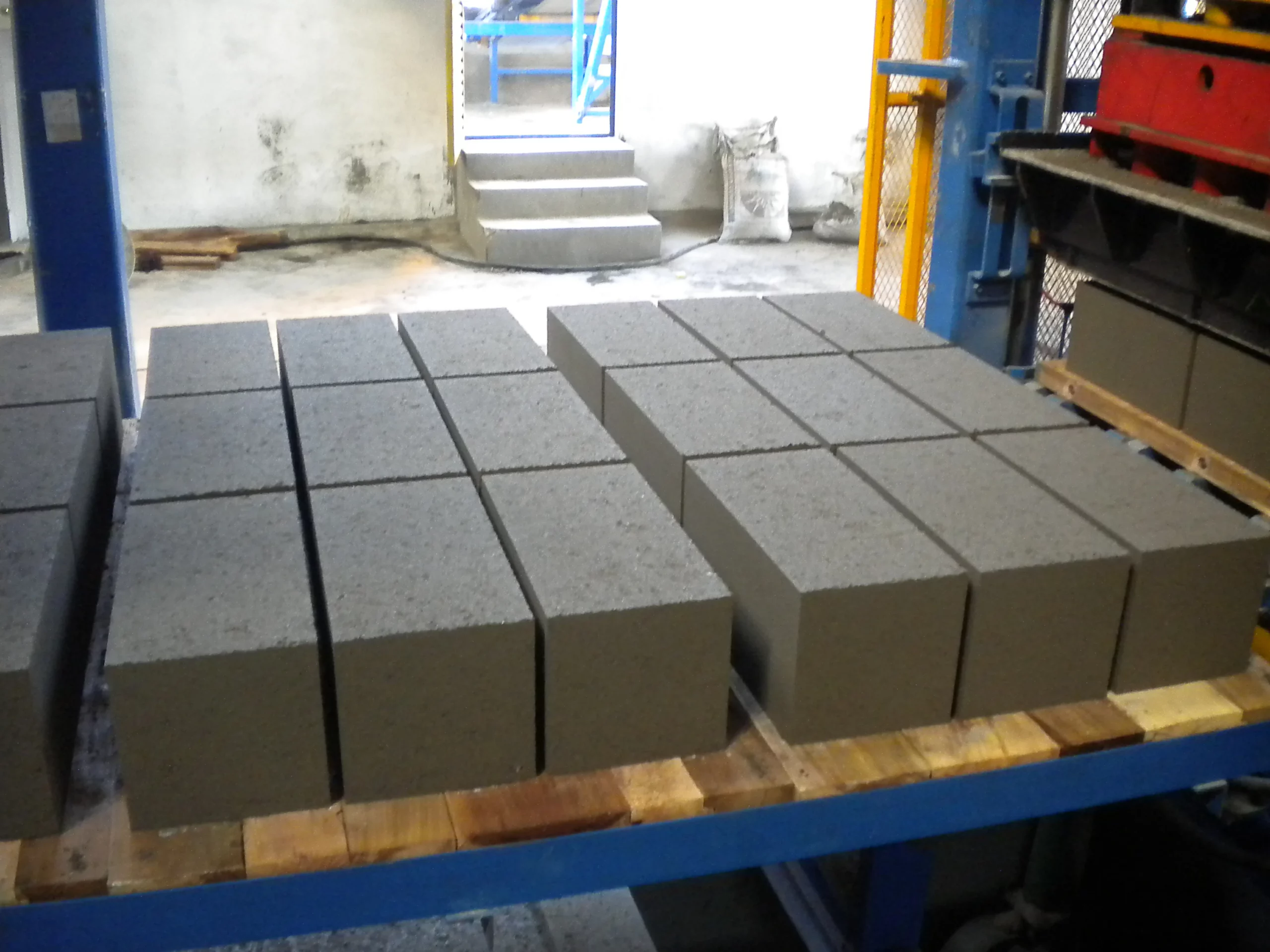
Raison 1: Un paradigme de rentabilité au-delà du prix initial
Lorsqu'une entreprise envisage l'acquisition d'équipements industriels lourds, la conversation commence souvent par le prix. Encore, une fixation sur le montant initial de la facture peut occulter une réalité économique plus profonde. Quoi, alors, constitue la vraie valeur d'un équipement industriel important comme une machine de fabrication de blocs? L’argument en faveur de la supériorité économique d’une machine chinoise de fabrication de briques ne repose pas sur une simple prétention d’être “moins cher,” mais sur une compréhension globale du coût total de possession (Coût total de possession), un concept qui englobe toutes les dépenses engagées tout au long de la durée de vie de la machine. Fabrication chinoise, notamment dans les secteurs spécialisés comme les engins de chantier, a atteint un niveau d'efficacité qui permet une réévaluation de ce qui est possible dans le cadre d'un budget d'investissement donné.
Analyser le coût total de possession
Le prix d'achat initial n'est que le point d'entrée. Un investisseur réfléchi doit se projeter vers l’avenir, compte tenu du paysage financier de l’ensemble du cycle de vie de la machine. Cela comprend les coûts opérationnels, tels que la consommation d'énergie et les besoins en main-d'œuvre. Il comprend également les frais d'entretien, qui couvrent l'entretien de routine et le remplacement des pièces d'usure. Pour terminer, il faut tenir compte de la productivité et de la durée de vie de la machine, qui déterminent en fin de compte le retour sur investissement.
Une machine moderne de fabrication de briques en Chine est souvent conçue en tenant compte de ces principes de coût total de possession.. Par exemple, de nombreux modèles sont équipés de systèmes hydrauliques et de moteurs économes en énergie, ce qui peut générer des économies substantielles sur les factures d’électricité au fil des années de fonctionnement. De la même manière, l'évolution vers l'automatisation, une marque du contemporain machine à blocs entièrement automatique, réduit le recours au travail manuel. Cela réduit non seulement les dépenses salariales, mais atténue également le risque d'erreur humaine., conduisant à une qualité de produit plus constante et à moins de gaspillage de matériaux. Lorsque vous comparez ces économies à long terme à la mise de fonds initiale, la logique économique devient exceptionnellement claire. Le coût initial inférieur agit comme un catalyseur, permettant un chemin plus rapide vers la rentabilité.
L’économie d’échelle dans le secteur manufacturier chinois
Comment est-il possible pour les fabricants de proposer des machines aussi avancées à ces niveaux de prix ?? La réponse réside dans le vaste, écosystème industriel interconnecté de Chine. Des décennies de développement ciblé ont créé un environnement dans lequel les économies d’échelle ne sont pas seulement un concept théorique mais une réalité quotidienne.. Les fabricants de machines de fabrication de blocs de béton bénéficient d'une chaîne d'approvisionnement nationale très développée. Tout depuis l'acier brut utilisé dans le cadre, aux pompes hydrauliques, aux automates programmables (Automates) qui forment le cerveau de la machine, peuvent provenir de spécialistes, efficace, et des fournisseurs géographiquement proches.
Cette proximité et cette envergure réduisent les coûts d’approvisionnement, minimiser les frais de transport, et raccourcir les délais de production. L’intense concurrence nationale stimule l’innovation et pousse les fabricants à optimiser continuellement leurs processus.. Pour un acheteur international aux États-Unis, Canada, ou la Russie, cet écosystème se traduit directement par un prix plus accessible pour une machine de fabrication de blocs de haute qualité. Tu es, en vigueur, bénéficiant d’un niveau d’optimisation industrielle difficilement reproductible ailleurs dans le monde.
Naviguer dans les tarifs et l'expédition pour des économies maximales
Pour tout achat international, les coûts de logistique et les droits d'importation sont une considération sérieuse. Une analyse prudente nécessite de les prendre en compte dans le coût final au débarquement.. Les fournisseurs chinois réputés possèdent une vaste expérience dans la logistique mondiale. Ils ont établi des relations avec des transporteurs maritimes et des courtiers en douane, leur permettant de naviguer efficacement dans les complexités du commerce international. Ils peuvent souvent fournir des informations précises, des devis tout compris qui évitent les dépenses imprévues.
Même si les tarifs peuvent fluctuer en fonction de facteurs géopolitiques, les fabricants expérimentés peuvent fournir des conseils sur un système harmonisé (SH) codes et documentation pour garantir le dédouanement le plus fluide possible. En travaillant avec un fournisseur compétent, une entreprise peut gérer efficacement ces coûts variables, préserver l'avantage économique inhérent à l'achat d'une machine de fabrication de briques en Chine. L’objectif est de transformer un défi logistique potentiellement intimidant en un élément prévisible de la stratégie d’investissement globale..
Raison 2: Fabrication avancée et sophistication technologique
Une perception courante, mais dépassée, de l’industrie manufacturière chinoise est celle d’une simple réplication plutôt que d’une véritable innovation.. Ce point de vue ne tient pas compte de la profonde transformation survenue au cours des deux dernières décennies.. Aujourd'hui, les principaux fabricants de matériel de construction ne sont pas seulement des acteurs du marché mondial; ils sont des moteurs du progrès technologique. La machine de fabrication de briques chinoise contemporaine témoigne de cette évolution, intégrant souvent des fonctionnalités et des niveaux d'automatisation qui rivalisent ou dépassent ceux de leurs homologues occidentaux. L’examen du cœur technologique de ces machines révèle un engagement de précision, Efficacité, et un fonctionnement intelligent.
Le rôle des systèmes d'automatisation et d'automate
L'automate programmable est au cœur d'une ligne de production de blocs moderne. (API). Considérez l’automate comme le système nerveux central de la machine. Il s'agit d'un ordinateur industriel robuste qui orchestre chaque action avec une précision de l'ordre de la microseconde : depuis la mesure exacte et le mélange des matières premières comme le ciment et les granulats jusqu'à la fréquence de vibration du moule et l'empilement final des blocs finis..
Les principaux fabricants chinois intègrent des systèmes PLC sophistiqués de marques mondialement reconnues comme Siemens ou Mitsubishi., en les associant à des interfaces homme-machine intuitives à écran tactile (IHM). Cela permet à un opérateur de surveiller l’ensemble du processus de production en temps réel, ajuster les paramètres d'un simple toucher, et diagnostiquer tout problème potentiel avant qu'il ne se transforme en panne critique. Une machine à blocs entièrement automatique, guidé par un tel système, peut fonctionner en continu avec une intervention humaine minimale. Ce niveau d'automatisation n'est plus un luxe; c'est une caractéristique fondamentale qui garantit une cohérence inégalée, maximise le rendement, et améliore la sécurité au travail. C'est le moteur technologique qui transforme les matières premières en éléments de construction de haute qualité avec une efficacité remarquable..
Innovations en matière de technologie des vibrations et de l’hydraulique
La qualité d'un bloc de béton : sa densité, force, et finition – est largement déterminé par le processus de compactage et de vibration. C'est là que les matières premières sont pressées dans le moule et consolidées en une unité solide.. C'est un domaine dans lequel l'ingénierie chinoise a fait des progrès significatifs. Les systèmes avancés utilisent désormais les vibrations synchronisées de la table et de la tête de dameur., piloté par un puissant, moteurs à fréquence contrôlée.
Cette technologie permet l'application précise de la force vibratoire, s'assurer que le mélange de béton est uniformément réparti et compacté dans tout le moule. Le résultat est un bloc avec moins de vides, résistance à la compression plus élevée, et plus net, bords plus définis. Associé à des systèmes hydrauliques haute performance, qui fournissent l’immense pression nécessaire au compactage, cette technologie de vibration avancée est ce qui différencie un bloc supérieur d'un bloc médiocre. Une machine capable de cela, comme une machine à pavés spécialisée, peut produire des pavés autobloquants à haute densité qui peuvent résister à un trafic intense et à des conditions météorologiques difficiles pendant des décennies.
Un regard comparatif sur les niveaux d'automatisation
Pour mieux comprendre les options disponibles, il est utile de classer les machines en fonction de leur degré d'automatisation. Cela permet à une entreprise d’aligner son investissement sur ses besoins de production spécifiques, disponibilité de la main d'œuvre, et budget.
| Fonctionnalité | Machine manuelle | Machine semi-automatique | Machine à blocs entièrement automatique |
|---|---|---|---|
| Opération | À forte intensité de main d'œuvre; nécessite plusieurs opérateurs pour l’alimentation du matériau, pressage, et démoulage. | Mélange de processus automatisés et d'intervention manuelle; l'opérateur gère les étapes clés via des leviers ou des boutons. | Contrôlé par PLC; surveillance humaine minimale requise depuis l'entrée des matières premières jusqu'à l'empilage final des blocs. |
| Capacité de sortie | Faible (Par exemple, 1,000-2,000 blocs/jour) | Moyen (Par exemple, 5,000-15,000 blocs/jour) | Haut à très haut (Par exemple, 20,000+ blocs/jour) |
| Cohérence | Dépend fortement de la compétence de l'opérateur; potentiel de variation significative. | Bonne consistance grâce aux cycles de pressage et de vibration automatisés. | Excellente consistance; chaque bloc est produit exactement selon les mêmes spécifications. |
| Coût de la main d'œuvre | Élevé par unité produite | Modéré | Faible par unité produite |
| Investissement initial | Faible | Moyen | Haut |
| Idéal pour | Startups à petite échelle, projets communautaires, ou zones avec des coûts de main d'œuvre très faibles. | Petites et moyennes entreprises (PME) cherche à augmenter la production. | Opérations commerciales à grande échelle, grands projets de construction, fabricants établis. |
Ce tableau illustre un compromis clair. Alors qu'une machine manuelle a le coût d'entrée le plus bas, un machine à blocs entièrement automatique offre une efficacité largement supérieure, cohérence, et une rentabilité à long terme pour toute entreprise commerciale sérieuse.
Raison 3: Personnalisation et polyvalence de production inégalées
Dans un marché concurrentiel, la capacité d’adapter et de diversifier son offre de produits est un puissant avantage. Une entreprise de matériaux de construction devra peut-être un jour produire des éléments de base standards., pavés décoratifs le prochain, et blocs creux spécialisés le lendemain. La capacité de répondre à ces demandes variées avec une seule pièce d'équipement est une caractéristique déterminante d'un investissement judicieux.. Les constructeurs chinois excellent dans ce domaine, offrant un degré de personnalisation et de polyvalence qui permet aux entreprises d'être agiles et réactives aux besoins du marché. Cette flexibilité n’est pas une réflexion après coup; il est intégré à la conception même de l'équipement.
La puissance des moules interchangeables
Le véritable génie d'une machine de fabrication de blocs moderne réside dans sa conception modulaire, spécifiquement le système de moules interchangeables. Le corps principal de la machine : le châssis, la presse hydraulique, le système de vibration – est une plate-forme universelle. Le produit spécifique qu'il crée est entièrement déterminé par le jeu de moules installé. Une seule machine de fabrication de briques en Chine peut, donc, être un pôle de production polyvalent.
Imaginez les possibilités. Avec un jeu de moules, vous pouvez produire des blocs de béton porteurs à haute résistance pour les murs porteurs. En passant quelques heures à changer le moule, la même machine peut être transformée en machine à blocs creux, produire des unités plus légères, idéales pour les cloisons de séparation et l'isolation. Un autre changement de moule, et vous avez maintenant une machine à pavés, capable de fabriquer des pièces complexes, pavés autobloquants pour allées, terrasses, et espaces publics. Cette capacité est libératrice. Cela signifie qu'une entreprise n'est pas enfermée dans une seule gamme de produits.. Il peut faire pivoter sa production en fonction des commandes des clients, demande saisonnière, ou tendances architecturales émergentes. Des fabricants réputés proposent un vaste catalogue de modèles de moules standard et, crucialement, fournir des services de fabrication de moules personnalisés en fonction des dessins ou des exigences spécifiques d'un client.
Produire un spectre de types de blocs
La polyvalence va au-delà de la simple forme. Une machine bien conçue permet un contrôle précis du mélange de matières premières et des paramètres de compactage. Cela permet la production d'une large gamme de produits en béton avec différentes propriétés.
- Blocs de béton solides: L'épine dorsale de la construction, utilisé pour les fondations et les murs porteurs. La machine doit fournir une immense force de compactage pour garantir une densité et une résistance maximales..
- Blocs creux: Ceux-ci contiennent un ou plusieurs grands vides. Ils sont plus légers, plus facile à manipuler, et offrent une meilleure isolation thermique et acoustique. Une machine à blocs creux doit garantir une épaisseur de paroi constante et des définitions de noyau nettes.
- Pavés autobloquants: Ceux-ci nécessitent une haute qualité esthétique, dimensions précises pour un ajustement serré, et une durabilité de surface exceptionnelle pour résister à l'abrasion et aux intempéries. Une machine à pavés utilise des modèles de vibrations spécialisés pour obtenir un, couche supérieure lisse.
- Bordures et dalles: Plus grand, unités plus lourdes utilisées pour l’aménagement paysager et les infrastructures. La machine a besoin d'un châssis robuste et d'un système d'alimentation puissant pour gérer le plus grand volume de matériau requis pour chaque cycle..
- Briques de cendres volantes: Une option respectueuse de l'environnement qui utilise les déchets industriels. Le processus de fabrication des briques de cendres volantes nécessite différentes proportions de mélange et méthodes de durcissement, qu'une machine polyvalente peut accueillir. Explorer solutions de construction durables peut ouvrir de nouveaux marchés et des incitations gouvernementales.
La capacité de produire l’ensemble de cette gamme à partir d’une seule ligne de production modifie fondamentalement la position d’une entreprise sur le marché., le transformant d'un simple fournisseur en un fournisseur complet de solutions de construction.
Comparaison des propriétés des matériaux pour différentes applications
Le choix du type de bloc est dicté par son utilisation prévue. Comprendre la science des matériaux derrière ces choix est essentiel pour tout producteur. Le rôle de la machine est de créer de manière fiable et cohérente des produits répondant à ces spécifications..
| Propriété | Bloc en béton standard | Brique de cendres volantes | Bloc de béton creux |
|---|---|---|---|
| Matières premières primaires | Ciment, Le sable, Agrégat (Gravier) | Cendres volantes, Poussière de sable/pierre, Ciment/Chaux | Ciment, Le sable, Agrégat (Gravier) |
| Résistance à la compression | Haut (Typiquement 15-30 MPa) | Modéré à élevé (10-25 MPa) | Modéré (Inférieur à cause des vides) |
| Densité | Haut (environ. 2200-2400 kg/m³) | Inférieur (environ. 1700-1900 kg/m³) | Faible (environ. 1400-1800 kg/m³) |
| Isolation thermique | Faible | Bien | Très bien |
| Absorption d'eau | Modéré | Faible | Modéré |
| Demande principale | Murs porteurs, fondations | Murs non porteurs, maçonnerie de remplissage | Cloisons de séparation, murs extérieurs non porteurs |
| Impact environnemental | Haut (à cause de la production de ciment) | Faible (utilise des déchets industriels) | Modéré |
Une machine de fabrication de blocs de qualité supérieure offre à l'opérateur le contrôle nécessaire pour perfectionner la production de chacun de ces types., réglage des vibrations, pression, et temps de cycle pour optimiser les caractéristiques spécifiques du matériau.
Raison 4: L’assurance d’un contrôle qualité robuste et de normes mondiales
Un investissement dans des machines industrielles est un investissement dans la fiabilité. Une machine qui souffre de pannes fréquentes, produit des produits incohérents, ou échoue prématurément n'est pas un atout mais un passif. Pour cette raison, un examen des processus de contrôle de la qualité et du respect des normes reconnues n'est pas qu'un détail technique; c'est un élément fondamental du processus de diligence raisonnable. Le discours sur l’industrie manufacturière chinoise s’est résolument orienté vers la qualité., avec des entreprises leaders mettant en œuvre des systèmes rigoureux pour garantir que leurs produits répondent aux attentes d'une clientèle mondiale exigeante. Faire confiance à un fabricant nécessite de comprendre son engagement envers l’excellence, un engagement qui doit être évident dans leurs documents, leurs processus, et leurs certifications.
Des matières premières à l’assemblage final
La qualité ne peut pas être inspectée dans un produit à la fin; il doit être intégré dès le début. Pour une machine à fabriquer des blocs, ce principe commence par la sélection des matières premières. Un fabricant réputé utilisera des produits à haute résistance, acier certifié (comme le Q235 ou l'acier au manganèse) pour le châssis principal de la machine afin de garantir qu'il puisse résister aux immenses, contraintes répétitives de pression hydraulique et de vibrations pendant des années sans fatigue ni déformation.
L'examen se poursuit avec les éléments clés. Systèmes hydrauliques, moteurs, roulements, et les contrôleurs PLC proviennent souvent de marques de renommée internationale ou de fournisseurs nationaux de premier plan qui ont eux-mêmes fait l'objet d'audits de qualité rigoureux.. Pendant le processus de fabrication, les étapes critiques comme le soudage sont effectuées par des techniciens certifiés, utilisant souvent des soudeurs robotisés pour une cohérence parfaite. Après fabrication, les surfaces des touches sont usinées avec précision pour assurer un alignement parfait du moule et de la tête de pilon, un détail essentiel pour produire des blocs dimensionnellement précis. Pour terminer, la machine entière est soumise à un protocole de test complet avant d'être démontée pour l'expédition. Cela implique un fonctionnement à vide pour vérifier toutes les fonctions mécaniques et électriques., suivi d'une exécution de chargement au cours de laquelle la machine produit réellement des blocs pour vérifier ses performances dans des conditions réelles. Ce méticuleux, une approche en plusieurs étapes est le fondement de la fiabilité.
Comprendre les certifications: CE et OIN
Dans le monde du commerce international, objectif, les certifications tierces servent de langage universel de qualité et de sécurité. Pour les machines, deux des plus importants sont le marquage CE et ISO 9001 attestation.
-
Marquage CE: Le “Conformité Européenne” La marque indique qu'un produit est conforme aux normes de haute sécurité, santé, et normes de protection de l'environnement de l'Espace économique européen (EEE). Pour une machine à fabriquer des blocs, cela signifie que l'équipement a été conçu pour minimiser les risques électriques, comprend les protections de sécurité nécessaires pour protéger les opérateurs des pièces mobiles, et est accompagné d'une documentation technique complète. Bien qu'il s'agisse d'une norme européenne, le marquage CE est reconnu mondialement comme un indicateur fort de l’engagement d’un fabricant envers les meilleures pratiques en matière de sécurité et d’ingénierie.
-
ISO 9001: Il s'agit d'une norme mondiale pour les systèmes de gestion de la qualité (SGQ). Une entreprise ISO 9001 certifié a démontré qu'il dispose d'une approche systématique, approche de la qualité axée sur les processus. Cela inclut tout, depuis la façon dont il gère les commandes des clients et conçoit les produits jusqu'à la façon dont il sélectionne les fournisseurs et gère son atelier de production.. C'est une assurance que le fabricant dispose d'une robustesse, des systèmes reproductibles sont en place pour fournir un produit de qualité de manière cohérente. Lors de l'évaluation d'un fournisseur potentiel pour un machine de fabrication de blocs de béton, demandant leur CE et ISO 9001 les certificats sont une étape cruciale.
L'importance d'un fournisseur réputé
La machine elle-même n'est qu'une partie de l'équation. Le fabricant derrière cela est tout aussi important. Un fournisseur réputé est un partenaire à long terme, pas seulement un fournisseur ponctuel. Un tel fournisseur, comme celui avec un héritage d'excellence en ingénierie, aura un historique d’installations réussies dans divers pays, y compris des marchés exigeants comme les États-Unis, Canada, et la Corée du Sud. Ils seront transparents sur leurs processus, disposé à fournir des spécifications techniques détaillées, et capable d'offrir des références d'anciens clients.
Un fournisseur réputé comprend que son succès est lié à votre succès. Ils investissent dans leur réputation en investissant dans la qualité de leurs produits et la satisfaction de leurs clients. Ils fournissent une communication claire, délais de livraison réalistes, et soutenons leur produit avec une solide garantie. Choisir un tel partenaire transforme l’achat d’une simple transaction en une alliance stratégique visant à renforcer les capacités de production de votre entreprise..
Raison 5: Chaînes d'approvisionnement rationalisées et systèmes de support complets
La durée de vie opérationnelle d'une machine de fabrication de blocs commence dès sa livraison. Sa valeur à long terme est profondément influencée par la structure de support qui l'accompagne. Une machine technologiquement avancée et bien construite peut devenir inefficace sans une installation appropriée, entraînement, et une source fiable de pièces de rechange et d'assistance technique. Les fabricants chinois les plus avant-gardistes ont reconnu que fournir un produit de qualité supérieure ne représente que la moitié de la bataille.. Ils ont investi massivement dans la création de systèmes de support complets et en tirant parti de leur expertise logistique pour garantir que leurs clients peuvent maximiser la productivité et la durée de vie de leur investissement., peu importe où ils se trouvent dans le monde.
Service après-vente: Installation, Entraînement, et support technique
Le voyage avec une nouvelle machine ne doit pas être solitaire. Les principaux fabricants proposent une suite de services après-vente conçus pour garantir une transition en douceur et une excellence opérationnelle continue..
-
Installation et mise en service: De nombreux fournisseurs offrent la possibilité d'envoyer leurs propres ingénieurs expérimentés sur le site du client.. Ces techniciens supervisent le montage de la chaîne de production, s'assurer que toutes les connexions électriques et hydrauliques sont correctes, et mettre en service la machine, qui implique les premiers tests pour calibrer ses performances pour les matières premières locales. Cette surveillance professionnelle élimine les incertitudes et garantit que la machine est configurée pour des performances optimales dès le premier jour..
-
Formation des opérateurs: Une machine est aussi bonne que la personne qui l'utilise. Les techniciens du fabricant assureront une formation pratique pour le personnel local. Celui-ci couvre le fonctionnement quotidien de la machine via son IHM, procédures de changement de moules, tâches de maintenance de routine comme la lubrification et l'inspection, et dépannage de base. Ce transfert de connaissances permet à l’équipe du client d’utiliser la machine en toute confiance et efficacement..
-
Assistance technique à distance: À l’ère du numérique, l'assistance se fait souvent par simple appel ou par vidéoconférence. Les fabricants fournissent une assistance technique continue pour aider à diagnostiquer et à résoudre les problèmes à distance. Avec des systèmes PLC modernes, les techniciens peuvent parfois même accéder aux diagnostics de la machine en ligne pour identifier rapidement les problèmes, minimiser les temps d'arrêt.
Cette approche en trois volets : une installation professionnelle, formation complète, et une assistance accessible – constitue un filet de sécurité qui protège l’investissement du client.
La portée mondiale de la logistique des pièces de rechange
Chaque machine, peu importe à quel point il est bien construit, comporte des pièces qui s'usent avec le temps. Moules, bandes transporteuses, joints hydrauliques, et certains composants électriques ont une durée de vie limitée. La capacité de se procurer ces pièces de rechange rapidement et à moindre coût est absolument essentielle au maintien d'une ligne de production en bon état de fonctionnement.. Un arrêt prolongé en attendant une pièce critique peut être financièrement dévastateur.
Reconnaître cela, les fournisseurs chinois établis ont développé une logistique mondiale sophistiquée pour les pièces de rechange. Ils maintiennent un inventaire détaillé de tous les composants des machines qu'ils vendent. Parce qu'ils fabriquent à grande échelle, le coût de ces pièces est souvent nettement inférieur à celui des machines comparables européennes ou nord-américaines. Ils ont rationalisé leurs processus d'exportation pour expédier les pièces par fret aérien partout dans le monde., souvent en quelques jours. Avant d'acheter une machine de fabrication de blocs, un acheteur sérieux devrait se renseigner sur la politique en matière de pièces détachées du fabricant, disponibilité, et délais de livraison typiques dans leur région. Une chaîne d'approvisionnement fiable en pièces de rechange est un élément non négociable d'une opération réussie à long terme..
Construire un partenariat à long terme
Finalement, la décision d'acheter une machine de fabrication de briques en Chine doit être considérée comme le début d'une relation. Le rôle du fabricant s’étend au-delà du point de vente. Leur intérêt réside dans la réussite de votre entreprise, car votre succès devient une étude de cas et un témoignage de la qualité de leur équipement. Cette perspective de partenariat est une caractéristique des meilleures entreprises du secteur.. Ils sont réactifs aux commentaires, fournir des conseils continus, et peut même vous informer de nouvelles améliorations ou conceptions de moules qui pourraient bénéficier à votre exploitation.. En choisissant un fabricant engagé dans ce type de partenariat à long terme, vous n'achetez pas seulement un morceau d'acier; vous gagnez un allié dans l'industrie mondiale des matériaux de construction.
Foire aux questions (FAQ)
Quelle est la principale différence entre une machine à blocs de béton et une machine à briques à cendres volantes? La principale différence réside dans les matières premières et le processus de durcissement. Une machine de fabrication de blocs de béton utilise généralement du ciment, le sable, et du gravier, et les blocs guérissent naturellement avec le temps. UN Machine de fabrication de briques de cendres volantes en Chine utilise des cendres volantes (un sous-produit des centrales électriques au charbon), sable ou poussière de pierre, et un liant comme du ciment ou de la chaux. Ces briques nécessitent souvent un durcissement à la vapeur dans un autoclave pour atteindre leur résistance finale., ce qui donne un briquet, produit plus isolant.
De combien d'espace ai-je besoin pour installer une ligne de production de machines à blocs entièrement automatique? Une ligne de production complète nécessite un espace important. Vous devez tenir compte de la machine principale, le mixeur, le silo à ciment, système de dosage global, le convoyeur de blocs, et une zone de durcissement. Une disposition typique d'une ligne de machine à blocs entièrement automatique de moyenne à grande échelle peut nécessiter un espace d'atelier de 600-1500 mètres carrés, plus une grande cour extérieure pour le stockage des matières premières et le durcissement et le stockage du produit final.
Une machine peut-elle produire à la fois des blocs creux et des pavés? Oui, absolument. La polyvalence nécessaire pour produire différents types de blocs est une caractéristique clé. En achetant et en installant différents jeux de moules, une machine à base unique peut fonctionner comme une machine à blocs creux, une machine à blocs solides, ou une machine à pavés. Le processus de changement prend généralement quelques heures.
Quelle est la durée de vie moyenne d'une machine de fabrication de briques en Chine? Avec un bon entretien et l’utilisation de composants de haute qualité, une machine de fabrication de briques en Chine bien construite peut avoir une très longue durée de vie. Le cadre principal et la structure sont conçus pour durer des décennies. Les composants clés tels que le système hydraulique et les moteurs peuvent durer de nombreuses années, tandis que les pièces portables telles que les moules et les bandes transporteuses devront être remplacées périodiquement.. Une durée de vie de 15-20 des années ou plus est une attente raisonnable pour une machine correctement entretenue.
Des options de financement sont-elles disponibles pour l'achat de ces machines? Même si les fabricants eux-mêmes n'offrent généralement pas de financement direct, ils peuvent vous fournir tous les documents nécessaires pour obtenir un financement auprès de votre banque locale ou d'institutions de financement du commerce international.. Cela inclut les factures pro forma, spécifications techniques détaillées, et les informations d'identification de l'entreprise. Certains accords commerciaux internationaux ou banques d’import-export peuvent également proposer des programmes pour faciliter de tels achats..
Quelles sont les principales matières premières nécessaires à la fabrication de blocs de béton? Les ingrédients fondamentaux sont assez simples. Le liant principal est le ciment Portland, qui réagit avec l'eau pour durcir et lier les autres matériaux entre eux. La principale composante structurelle est l'agrégat, qui est un mélange de sable et de petites pierres concassées ou de gravier. L'eau est le troisième ingrédient, nécessaire pour activer le ciment. Le rapport exact de ces composants variera en fonction de la résistance souhaitée et du type de bloc produit..
Comment choisir un fabricant fiable? Choisir un fabricant fiable implique plusieurs étapes. Recherchez des entreprises avec une longue histoire et une forte présence internationale. Vérifier leur ISO 9001 et certifications CE. Demandez des références aux clients de votre région. Évaluer leur communication et leur support technique. Un fabricant réputé sera transparent, bien informé, et concentré sur la construction d'une relation à long terme (reitmachine.com).
Conclusion
La décision d'investir dans une nouvelle ligne de production de blocs est un moment déterminant pour toute entreprise de matériaux de construction.. C’est un choix qui façonnera la capacité de production de l’entreprise, qualité du produit, et santé financière pour les années à venir. Une analyse approfondie et impartiale du marché mondial de 2025 révèle un argument convaincant et logique en faveur de la machine chinoise de fabrication de briques. Cette affaire ne repose pas sur le seul pilier du prix, mais sur une base intégrée de cinq atouts clés: un coût total de possession supérieur, intégration technologique avancée, polyvalence de production exceptionnelle grâce à des moules personnalisables, un engagement rigoureux envers le contrôle de la qualité et les normes mondiales, et la sécurité d'un système de support complet.
Rejeter cette option sur la base de perceptions dépassées revient à négliger un changement profond dans la fabrication industrielle mondiale.. La machine moderne de fabrication de briques en Chine est une machine sophistiquée, fiable, et un équipement hautement productif, né d'un écosystème de concurrence intense et d'innovation. Pour les entreprises aux États-Unis, Canada, Russie, Corée du Sud, et au-delà, cela représente une opportunité d’acquérir une technologie de production de classe mondiale d’une manière à la fois économiquement rationnelle et stratégiquement judicieuse.. En s'engageant avec un fournisseur réputé, une entreprise ne consiste pas simplement à acheter une machine; il investit dans un puissant moteur de croissance et forge un partenariat pour un succès à long terme.