Abstract
De selectie van apparatuur voor het maken van stenen en blokken in 2025 vertegenwoordigt een aanzienlijke kapitaalinvesteringsbeslissing, beïnvloed door technologische vooruitgang, operationele efficiëntie, en langetermijnrendement op uw investering. Deze analyse onderzoekt het landschap van de moderne blokproductie, contrasterende toonaangevende fabrikanten op basis van een matrix van evaluatiecriteria. Het onderzoekt de fundamentele mechanismen van hydraulische druk en trillingsverdichting, de rol van geavanceerde Programmable Logic Controller (PLC) systemen om volledige automatisering te bereiken, en de economische implicaties van productiecapaciteit versus cyclustijd. Door prominente merken zoals Reit Machine te vergelijken, Aimix-groep, HAWEN-machines, Osino-machines, en Amerikaanse blokmachines, dit document biedt een gedetailleerd raamwerk voor potentiële kopers. De evaluatie gaat verder dan de machinespecificaties en houdt rekening met aanvullende apparatuur, logistiek ter plaatse, en opkomende trends zoals servovibratietechnologie en het gebruik van duurzame materialen. Het doel is om belanghebbenden in de bouw- en productiesector uit te rusten met de uitgebreide kennis die nodig is om een toonaangevend merk voor baksteenproductieapparatuur te selecteren dat aansluit bij hun specifieke productiedoelen en markteisen..
Belangrijke afhaalrestaurants
- Evalueer machines op basis van de kwaliteit van het staal en de thermische behandeling voor duurzaamheid op de lange termijn.
- Geef prioriteit aan machines met geavanceerde PLC-systemen voor consistente kwaliteit en lagere arbeidskosten.
- Analyze production capacity against cycle time to ensure the machine meets your business's scalability needs.
- Bij het selecteren van een toonaangevend merk voor baksteenproductieapparatuur moet de after-salesondersteuning en de beschikbaarheid van onderdelen worden beoordeeld.
- Overweeg de veelzijdigheid van verwisselbare matrijzen om uw productaanbod vanuit één enkele machine te diversifiëren.
- Een krachtig hydraulisch systeem in combinatie met hoogfrequente trillingen is van fundamenteel belang voor het produceren van blokken met een hoge dichtheid.
Inhoudsopgave
- De fundamentele principes van de moderne baksteenproductie
- Criteria voor het evalueren van een toonaangevend merk van steenproductieapparatuur
- Een vergelijkende analyse van 5 Premier merken in 2025
- De economie van de baksteenproductie: ROI en operationele kosten
- Uw productielijn instellen: Voorbij de machine zelf
- Toekomstige trends in de productie van blokken en bakstenen
- Veelgestelde vragen (FAQ)
- Gevolgtrekking
- Referenties
De fundamentele principes van de moderne baksteenproductie
Om aan de reis van het produceren van bouwmaterialen te beginnen, is een diepe waardering nodig voor de wetenschap die aan het proces ten grondslag ligt. De transformatie van eenvoudige grondstoffen naar duurzaam, blokken met hoge sterkte zijn geen kwestie van toeval, maar van nauwkeurige engineering. Om echt te begrijpen wat het ene apparaat van het andere scheidt, we moeten eerst de kernprincipes begrijpen die de moderne blokproductie bepalen.
Van klei tot beton: Een evolutionair perspectief
Millennia lang, het woord ‘baksteen" opgeroepen beelden van klei, water, en vuur. Traditioneel gebakken kleistenen hebben imperiums gebouwd en generaties beschermd. Echter, Het bouwlandschap van de 21e eeuw is getuige geweest van een diepgaande verschuiving naar op beton gebaseerde eenheden. Waarom heeft deze evolutie plaatsgevonden?? De redenen zijn geworteld in zowel milieubeheer als structurele prestaties. Het bakken van bakstenen is een energie-intensief proces, waarbij vaak aanzienlijke hoeveelheden kooldioxide vrijkomen. Daarentegen, betonblokken harden uit bij omgevingstemperatuur via een chemisch proces dat hydratatie wordt genoemd, waardoor de noodzaak voor enorme ovens en het bijbehorende brandstofverbruik wordt geëlimineerd (Jaishankar et al., 2021).
Vanuit prestatieoogpunt, een machine voor het maken van betonblokken biedt ongeëvenaarde consistentie en veelzijdigheid. De samenstelling van beton kan nauwkeurig worden gecontroleerd om specifieke druksterktes te bereiken, dichtheden, en thermische eigenschappen. Dit maakt het mogelijk een breed scala aan producten te creëren, van lichtgewicht isolatieblokken tot dicht, zware straatstenen, allemaal vanuit één productielijn. Dit aanpassingsvermogen is een hoeksteen van de moderne bouw, waar projectvereisten dramatisch kunnen variëren.
De kernmechanica: Trillingen en hydraulische druk
De kern van elke moderne machine voor het maken van betonblokken liggen twee symbiotische krachten: trillingen en hydraulische druk. Het begrijpen van hun samenspel is van fundamenteel belang voor het waarderen van de machinekwaliteit.
Denk hierbij aan het vullen van een pot met een mix van grote stenen en fijn zand. Als je er gewoon zand overheen giet, tussen de stenen blijven grote holtes achter. Echter, als u de pot zachtjes schudt of trilt, het zand zal zich in alle hoeken en gaten nestelen, het creëren van een dichte, strak verpakt mengsel. Dit is precies de rol van het trilsysteem in een blokmachine. Hoogfrequente vibrators, meestal gemonteerd op de maltafel, het betonmengsel vloeibaar maken. Deze tijdelijke vloeistofachtige toestand zorgt ervoor dat de aggregaat- en cementdeeltjes de interne wrijving kunnen overwinnen en zich in hun meest compacte opstelling kunnen nestelen, het elimineren van luchtzakken en het verzekeren van een homogeen blok.
Zodra het materiaal perfect geconsolideerd is, de tweede kracht komt in het spel: hydraulische druk. Een krachtige hydraulische pers daalt neer, het verdichte materiaal met enorme kracht verdichten. Dit is geen brute krachtinslag; het is een gecontroleerde, krachtig knijpen. Deze actie verdrijft alle resterende lucht en overtollig water, waardoor de cementdeeltjes in intiem contact met de aggregaten worden gedwongen. Het resultaat is een "groen" (niet uitgehard) blok met opmerkelijke dichtheid en maatnauwkeurigheid. De combinatie van intense trillingen gevolgd door hoge druk geeft het eindproduct zijn superieure sterkte en duurzaamheid. A superior manufacturing process is reflected in the intelligence of the machine's control over these two forces.
Inzicht in de belangrijkste grondstoffen
Het laatste blok is een composietmateriaal, en de kwaliteit ervan is onlosmakelijk verbonden met de kwaliteit en verhoudingen van de samenstellende delen ervan. Een toonaangevend merk voor steenproductieapparatuur ontwerpt zijn machines zo dat ze feilloos werken met een reeks standaard- en alternatieve materialen.
- Cement: Dit is het bindmiddel, de lijm die alles bij elkaar houdt. Portlandcement is het meest voorkomende type. Wanneer gemengd met water, het ondergaat hydratatie, het vormen van een kristalmatrix die de aggregaten bindt.
- Aggregaten (Zand en grind): Deze materialen vormen het structurele skelet van het blok. Zand vult de kleinere holtes, terwijl grotere aggregaten zoals steenslag of grind voor het volume en de druksterkte zorgen. De maat, vorm, en reinheid van de aggregaten zijn van het allergrootste belang.
- Water: Water is de katalysator voor de chemische reactie van hydratatie. De water-cementverhouding is een delicaat evenwicht. Te weinig water resulteert in een onvolledige reactie en een zwak blok. Te veel water leidt tot poreusheid, blok met lage sterkte. Moderne machines werken vaak met zeer ‘droog’" of low-slump-mixen, Daarom zijn trillingen en druk zo belangrijk.
- Vliegas: Dit is een bijproduct van kolencentrales en een veelgebruikt aanvullend cementachtig materiaal (SCM). Het gebruik van vliegas kan de verwerkbaarheid van het betonmengsel verbeteren, versterken de sterkte op lange termijn, en verhoog de weerstand tegen chemische aanvallen. Het dient ook een ecologisch doel door een industrieel afvalproduct om te zetten in een waardevol bouwmateriaal (Ahmaruzzaman, 2010). Een veelzijdige cementmachine moet in staat zijn om mengsels die dergelijke additieven bevatten efficiënt te verwerken.
Criteria voor het evalueren van een toonaangevend merk van steenproductieapparatuur
Het kiezen van een industriële machine is niet hetzelfde als het kopen van een consumentenapparaat. Het is een strategisch partnerschap met de fabrikant. Your success is tied to the machine's performance, betrouwbaarheid, en de ondersteunende structuur erachter. Daarom, een rigoureus evaluatiekader is noodzakelijk.
Productieprecisie en materiaalkwaliteit
The immense forces of vibration and hydraulic pressure exert tremendous stress on the machine's frame and molds. Een machine gebouwd met inferieure materialen of slecht vakmanschap zal snel bezwijken voor metaalmoeheid, wat leidt tot storingen en een inconsistente productkwaliteit.
Bij het onderzoeken van een potentiële leverancier, inquire about the type of steel used in the machine's frame. Hoge sterkte, zwaar staal is niet onderhandelbaar. Zoek naar bewijs van geavanceerde lastechnieken, die de structurele integriteit van de gewrichten garanderen. Verder, de mallen zelf zijn kritische slijtagecomponenten. Ze moeten vervaardigd zijn uit zeer slijtvast staal en een thermisch behandelingsproces ondergaan, zoals carboneren of blussen. Deze warmtebehandeling verhardt het oppervlak van de mal, waardoor de levensduur drastisch wordt verlengd en ervoor wordt gezorgd dat elk geproduceerd blok zijn maatnauwkeurigheid behoudt gedurende honderdduizenden cycli. A manufacturer's willingness to discuss these details openly is often a good indicator of their commitment to quality.
Technologische Integratie: De rol van PLC en automatisering
In de 21e eeuw, Het brein van een volautomatische blokmachine is de Programmable Logic Controller (PLC). De PLC is een robuuste industriële computer die elke stap van de productiecyclus met microsecondenprecisie orkestreert. Het regelt de timing van de materiaaltoevoer, de duur en intensiteit van trillingen, het toepassen van hydraulische druk, en het uitwerpen van de voltooide blokken.
De voordelen van een hoogwaardig PLC-systeem, vaak van wereldwijd erkende merken zoals Siemens of Schneider Electric, zijn veelvuldig:
- Samenhang: De PLC elimineert menselijke variabiliteit, ervoor te zorgen dat elk afzonderlijk blok onder identieke omstandigheden wordt geproduceerd. Dit resulteert in een uniforme sterkte, maat, en uitstraling gedurende de gehele productierun.
- Efficiëntie: Het optimaliseert de cyclustijd, maximizing the machine's output without sacrificing quality.
- Veiligheid: De PLC beheert de veiligheidsvergrendelingen, voorkomen dat de machine in een onveilige toestand werkt en het beschermen van operators.
- Diagnostiek: Geavanceerde systemen zijn voorzien van touchscreeninterfaces die realtime operationele gegevens weergeven en foutdiagnose bieden, waardoor de downtime drastisch wordt verminderd door technici te helpen problemen snel te identificeren en op te lossen. Sommige fabrikanten bieden zelfs hulp op afstand, where their engineers can log into your machine's PLC to diagnose problems from afar.
Productiecapaciteit en cyclustijd
These two metrics are the primary determinants of a machine's potential profitability.
- Cyclustijd: Dit is de totale tijd die de machine nodig heeft om een volledige productiecyclus van een set blokken te voltooien. Het wordt doorgaans gemeten in seconden (Bijv., 15-22 seconden).
- Productiecapaciteit: Dit is het totale aantal blokken dat de machine in een bepaalde periode kan produceren, Meestal een verschuiving van 8 uur. Het is een functie van de cyclustijd en het aantal geproduceerde blokken per cyclus (wat afhankelijk is van de mal).
Een lagere cyclustijd en een hoger aantal blokken per matrijs leiden tot een grotere totale capaciteit. Bij het beoordelen van fabrikanten, het is handig om een tabel te maken om de aangegeven capaciteiten voor een standaard blokgrootte te vergelijken, zoals de gebruikelijke 400x200x200mm (8-inch) hol blok.
| Functie | Machine a (Instapniveau) | Machine B (Middenklasse) | Machine C (Hoogwaardig) |
|---|---|---|---|
| Blok Type | 8" Hol blok | 8" Hol blok | 8" Hol blok |
| Blokken per mal | 4 | 8 | 12 |
| Cyclustijd (seconden) | 20 | 18 | 15 |
| Cycli per uur | 180 | 200 | 240 |
| Blokken per uur | 720 | 1600 | 2880 |
| 8-Uur productie | 5,760 | 12,800 | 23,040 |
Deze tabel illustreert duidelijk hoe ogenschijnlijk kleine verschillen in cyclustijd en matrijsgrootte tot dramatische variaties in de dagelijkse productie kunnen leiden. Uw keuze zal afhangen van de omvang van uw doelmarkt en de groeiprognoses.
Veelzijdigheid: De kracht van verwisselbare mallen
Een belangrijk voordeel van de moderne blokproductie is de veelzijdigheid ervan. Eén enkele steenmachine kan een fabriek met meerdere producten zijn. Door eenvoudig de mal te veranderen, dezelfde machine die standaard holle blokken voor wanden produceert, kan worden geconfigureerd om te produceren:
- Massieve stenen voor toepassingen met hoge sterkte.
- In elkaar grijpende straatstenen voor opritten en terrassen.
- Stoepranden voor weg- en landschapsranden.
- Poreuze of grasbeplantingsstenen voor duurzame drainageoplossingen.
Dankzij deze mogelijkheid kan een bedrijf zich aanpassen aan de veranderende marktvraag en meerdere segmenten van de bouwsector bedienen. Bij het beoordelen van een toonaangevend merk van apparatuur voor het maken van baksteen, onderzoek het gemak en de snelheid van schimmelveranderingen. Een goed ontworpen systeem minimaliseert de uitvaltijd tussen productruns, maximizing the machine's utility. Ook, informeer naar de kosten en beschikbaarheid van verschillende soorten matrijzen.
After-salesondersteuning en beschikbaarheid van onderdelen
Een machine zonder betrouwbare ondersteuning is een risico. Dit geldt vooral voor bedrijven in geografisch diverse markten zoals de Verenigde Staten, Canada, Zuid-Korea, en Rusland. Voordat u tot aankoop overgaat, u moet duidelijke antwoorden op deze vragen hebben:
- Biedt de fabrikant installatie- en operatortraining op locatie?
- Wat is de garantieperiode, en wat houdt het in?
- Is technische ondersteuning beschikbaar in uw tijdzone en taal?
- Heeft het bedrijf een voorraad kritische reserveonderdelen? (Bijv., hydraulische afdichtingen, sensoren, motoren) die snel naar uw locatie kunnen worden verzonden?
Een gerenommeerde fabrikant beschouwt de verkoop als het begin van een langdurige relatie. Ze begrijpen dat hun succes verband houdt met dat van u. Zoek naar bedrijven met een bewezen staat van dienst in het ondersteunen van hun internationale klanten.
Een vergelijkende analyse van 5 Premier merken in 2025
Nu onze evaluatiecriteria zijn vastgesteld, we kunnen nu onze aandacht richten op een selectie van opmerkelijke fabrikanten in de 2025 markt. Elk van deze merken brengt een eigen filosofie en een reeks sterke punten met zich mee. De volgende analyse is gebaseerd op hun openbaar beschikbare informatie en positionering binnen de sector.
REIT -machine: De synthese van duurzaamheid en innovatie
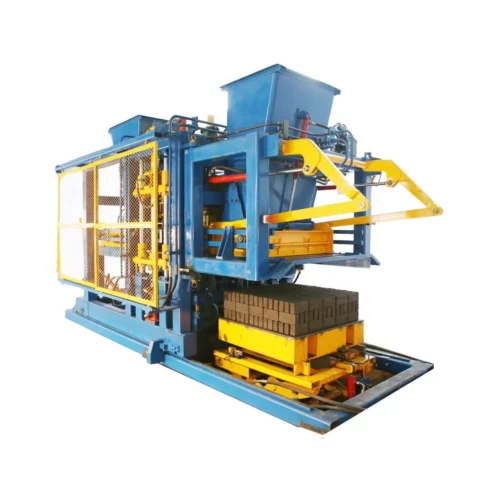
Reit Machine positioneert zichzelf als een leverancier die de nadruk legt op een robuuste constructie en het uitgebreide gebruik van hulpbronnen. Hun productlijn, inclusief de RTQT-serie, lijkt te zijn gebouwd met een lange levensduur in gedachten. Een belangrijk kenmerk dat ze benadrukken is het gebruik van een robuust ontwerp en hoogwaardig staal, gekoppeld aan geavanceerde thermische behandeling van de machine en matrijzen. Dit komt rechtstreeks tegemoet aan ons criterium van productieprecisie en materiaalkwaliteit, wat suggereert dat de nadruk moet liggen op het verminderen van slijtage op de lange termijn.
Technologisch, Reit-machines zijn voorzien van PLC-elektrische besturingssystemen voor een hoge mate van automatisering. Hun vermelding van een invertergestuurd stapelsysteem wijst op een geavanceerde benadering van de verwerking van voltooide blokken, zorgen voor een soepele en veilige werking van de gehele productielijn. Voor een bedrijf dat op zoek is naar een werkpaardmachine die een lange levensduur belooft met minimale operationele kopzorgen, Reit presenteert een overtuigende zaak. Hun assortiment automatische machine voor het maken van massieve blokken modellen suggereren een oplossing voor verschillende schaalniveaus, van middelgrote tot grote fabrieken.
Aimix-groep: Wereldwijd bereik met diverse oplossingen
Aimix Group onderscheidt zich door zijn uitgebreide wereldwijde aanwezigheid, met casestudies die zich uitstrekken van Pakistan tot de Filippijnen. Deze internationale ervaring is een waardevol bezit, wat suggereert dat ze over goed ontwikkelde logistieke en ondersteunende systemen beschikken voor een diverse klantenkring. Hun productaanbod, vooral de ABM-serie, is breed, biedt alles, van semi-automatische tot volledig automatische configuraties.
A notable aspect of Aimix's approach is their emphasis on material versatility. Ze vermelden expliciet het gebruik van grondstoffen als vliegas, rivier zand, en zelfs bouwafval. Dit sluit aan bij de groeiende trend naar duurzaam bouwen en positioneert hun machines als geschikt voor milieubewuste producenten. Hun website biedt gedetailleerde productiecapaciteitstabellen voor verschillende bloktypen, inclusief holle blokken, in elkaar grijpende bakstenen, en betonblokken, wat helpt bij directe vergelijking. Voor een koper buiten de primaire productiecentra, Aimix's proven track record of international installation and support could be a deciding factor.
HAWEN-machines: Specialisatie in lijnen met hoge capaciteit
HAWEN Machinery profileert zich als een ‘ruggengraatfabrikant’" uit China, gericht op hoge kwaliteit, productielijnen met hoge capaciteit. Hun aanbod, zoals het QT15-model, bevatten enkele van de meest geavanceerde technologieën in de industrie. Bijzonder opmerkelijk is de vermelding van een servo-aangedreven trilsysteem. In tegenstelling tot traditionele motoraangedreven vibrators, servosystemen bieden nauwkeurige, programmeerbare controle over trillingsfrequentie en amplitude. Hierdoor kan de machine worden afgestemd op verschillende grondstofmixen en productsoorten, het bereiken van optimale verdichting en superieure blokkwaliteit (Wang et al., 2022).
Aanvullend, HAWEN benadrukt het gebruik van krachtige hydraulische systemen met proportionele hydraulische kleppen. Deze technologie zorgt voor soepeler, sneller, en meer gecontroleerde bewegingen van de perskop en andere componenten, wat bijdraagt aan kortere cyclustijden en minder mechanische schokken. Voor een grootschalige onderneming die streeft naar het hoogste niveau van productiviteit en productkwaliteit, HAWEN's technologically advanced machines represent the top tier of the market.
Osino-machines: Evenwicht tussen prestaties en toegankelijkheid
Osino Machinery lijkt een balans te vinden tussen geavanceerde functies en praktisch, goed onderbouwde implementatie. Hun QT10-15-model, Bijvoorbeeld, wordt beschreven als een automatische machine die zowel hydraulische pers als "grote trillingen" combineert" om blokken en straatstenen met hoge sterkte te produceren. Dit communiceert een focus op de kernmechanismen die we hebben geïdentificeerd als fundamenteel voor kwaliteitsproductie.
Wat vooral nuttig is, is hun nadruk op service. Osino stelt expliciet dat hun ingenieurs service kunnen bieden voor alles, van landvoorbereiding en fabrieksbouw tot machine-installatie en begeleiding van de grondstofverhouding. Deze praktische aanpak kan ongelooflijk waardevol zijn voor nieuwkomers op de markt of voor bedrijven die uitbreiden in regio's waar lokale technische expertise schaars is.. Door duidelijke technische specificaties en productiecapaciteitstabellen aan te bieden, Osino biedt een transparante en toegankelijke optie voor grote industriële blokbedrijven die een betrouwbare machine nodig hebben, ondersteund door uitgebreide ondersteuning.
Amerikaanse blokmachines: Een focus op in de VS gevestigde productie
Voor de Noord-Amerikaanse markt, American Block Machinery biedt een unieke waardepropositie: "Gemaakt in de VS." In een tijdperk van complexe mondiale toeleveringsketens, Het in eigen land inkopen van apparatuur kan aanzienlijke voordelen bieden op het gebied van verzendtijden, invoerrechten, en communicatiegemak. Hun machines, zoals de ABM 1200 Supermax, zijn ontworpen om robuust en productief te zijn.
Ze beschikken ook over een apart type machine: het "eierleggen" hydraulische blokmachine. In tegenstelling tot stationaire machines die blokken op pallets produceren, een eierlaag legt de blokken direct op een betonvloer en verplaatst zich vervolgens naar de volgende positie. Dit ontwerp elimineert de noodzaak van een grote voorraad productiepallets, wat een aanzienlijke kostenbesparing kan betekenen. Voor bepaalde soorten operaties, vooral op de Amerikaanse en Canadese markten, waar dit model bekender is, American Block Machinery biedt een betrouwbare en binnenlands ondersteunde optie.
Synthese en vergelijkende tabel
Om deze analyse te consolideren, De volgende tabel geeft een vergelijking van de merken naast elkaar op basis van een representatief model of serie.
| Metrisch | REIT -machine (RTQT-serie) | Aimix-groep (ABM-serie) | HAWEN-machines (QT15) | Osino-machines (QT10-15) | Amerikaanse blokmachines (ABM 1200) |
|---|---|---|---|---|---|
| Sleuteltechnologie | Robuust stalen frame, Thermische behandeling, PLC-besturing | PLC-besturing, Materiaalveelzijdigheid (vliegas, afval) | Servo-trilling, Proportionele hydrauliek | Hydraulische pers + "Grote trilling" | "Gemaakt in de VS", Mogelijkheid om eieren te leggen |
| Automatiseringsniveau | Volledig automatisch | Semi-automatisch tot volledig automatisch | Volledig automatisch | Volledig automatisch | Volledig automatisch |
| Capaciteit (8" Blok) | Hoog (Bijv., RTQT12) | Gemiddeld tot zeer hoog (ABM-4S tot ABM-12S) | Erg hoog (15 blokken/schimmel) | Hoog (11,520 blokken/8u) | Hoog (6,500 blokken/dag) |
| Bekende sterkte | Duurzaamheid en lange levensduur | Wereldwijd bereik en installatie-ervaring | Toptechnologie voor topprestaties | Evenwicht tussen prestaties en praktische ondersteuning | Binnenlandse Amerikaanse productie en ondersteuning |
| Doelmarkt | Grootschalige producenten die op zoek zijn naar betrouwbaarheid | Internationale klanten, duurzame producenten | Industriële activiteiten met grote volumes | Grote fabrieken die uitgebreide installatiehulp nodig hebben | Noord-Amerikaanse markt, producenten vermijden pallets |
De economie van de baksteenproductie: ROI en operationele kosten
De aanschaf van een Holle blokmachine of Paver blokmachine is een financiële beslissing die veel verder gaat dan het initiële prijskaartje. Een geavanceerd inzicht in de totale eigendomskosten en het potentiële rendement op de investering (ROI) is wat een succesvolle onderneming onderscheidt van een mislukte onderneming.
Initiële investering versus. Waarde op lange termijn
Het kan verleidelijk zijn om te kiezen voor de machine met de laagste initiële kosten. Echter, dit kan een kortzichtige strategie zijn. De werkelijke kosten van een machine ontvouwen zich over de gehele operationele levensduur ervan. Een goedkopere machine kan worden gebouwd met een lichter frame of componenten van lagere kwaliteit gebruiken. Hoewel het in eerste instantie misschien adequaat functioneert, het zal waarschijnlijk vaker last hebben van storingen, vereisen een intensiever onderhoud, en een lagere kwaliteit produceren, minder consistent product.
Daarentegen, een hogere initiële investering in een machine van een gerenommeerde fabrikant vertaalt zich vaak in een grotere waarde op de lange termijn. Een machine gebouwd met een robuust, Het heavy-duty frame en de hoogwaardige componenten zullen betrouwbaarder werken, het minimaliseren van kostbare stilstand. Superieure techniek, zoals efficiënte hydraulische systemen, kan leiden tot een lager energieverbruik. Mallen gemaakt van hittebehandeld, Slijtvast staal gaat langer mee, het verminderen van de frequentie van deze aanzienlijke vervangingskosten. Meer dan een 5 of periode van 10 jaar, de duurdere machine kan gemakkelijk de winstgevendere investering blijken te zijn vanwege de hogere uptime, lagere bedrijfskosten, en de premium prijs die de blokken van hogere kwaliteit op de markt kunnen eisen.
Uw break-evenpunt berekenen
Voordat u een investering doet, het is verstandig om een financieel model te maken om uw break-evenpunt te schatten: het punt waarop uw inkomsten uit de verkoop van blokken gelijk zijn aan uw totale kosten. Terwijl een gedetailleerd model specifiek zal zijn voor uw bedrijf, de basiscomponenten waarmee u rekening moet houden, zijn:
-
Vaste kosten:
- Kosten van de machines (afgeschreven over de verwachte levensduur).
- Grond- en bouwkosten of leasebetalingen.
- Salarissen voor administratief personeel.
-
Variabele kosten (per blok):
- Grondstoffen (cement, zand, totaal, water, toevoegingen).
- Energieverbruik (elektriciteit voor motoren en besturingen).
- Werk (operators, onderhoudspersoneel).
- Slijtage onderdelen (schimmel vervangingen, hydraulische afdichtingen).
-
Winst:
- De marktprijs per blok vermenigvuldigd met het aantal verkochte blokken.
Door uw productiecapaciteit en lokale marktprijzen te projecteren, u kunt inschatten hoe lang het duurt voordat u uw initiële investering terugverdient. Een machine met een hogere capaciteit en efficiëntie zal uiteraard sneller het break-even punt bereiken, ervan uitgaande dat er een markt is die klaar is voor zijn productie.
De verborgen kosten: Onderhoud, Energie, en Arbeid
De stickerprijs is nog maar het begin. Lopende operationele kosten zullen een permanent onderdeel zijn van uw winst- en verliesrekening. Een volautomatische blokmachine is speciaal ontworpen om een van de grootste hiervan te verzachten: werk. In markten als de Verenigde Staten, Canada, en Zuid-Korea, waar de arbeidskosten hoog zijn, automatisering is geen luxe; het is een noodzaak voor concurrentievermogen. Een volledig geautomatiseerde lijn die batchverwerking afhandelt, mengen, vormen, en stapelen kan het vereiste aantal operators terugbrengen van vijf of zes naar slechts één of twee supervisors.
Energieverbruik is een andere belangrijke operationele kostenpost. De grote elektromotoren die de hydraulische pompen en trilsystemen aandrijven, verbruiken veel energie. Echter, een goed ontworpen machine van een toonaangevend merk voor steenproductieapparatuur zal energiezuinige motoren en intelligente hydraulische circuits bevatten die alleen maximaal vermogen trekken als dat nodig is. Dit kan resulteren in aanzienlijke besparingen op de elektriciteitsrekening gedurende de levensduur van de machine.
Eindelijk, onderhoud mag niet over het hoofd worden gezien. Proactief, preventief onderhoud is altijd kosteneffectiever dan reactieve reparaties. Een goede fabrikant zorgt voor een gedetailleerd onderhoudsschema. Volg dit schema voor taken zoals het verversen van hydraulische vloeistof en filters, bewegende delen smeren, and inspecting for wear will prevent catastrophic failures and extend the machine's life indefinitely.
Uw productielijn instellen: Voorbij de machine zelf
De blokmaakmachine is de ster van de show, maar het kan niet optreden zonder zijn ondersteunende cast. Een compleet, efficiënte productielijn is een geïntegreerd systeem waarbij elk onderdeel in harmonie samenwerkt.
Aanvullende apparatuur: De ondersteunende cast
Om het volledige potentieel van een automatische blokmachine te benutten, Er zijn verschillende andere apparaten nodig. Toonaangevende fabrikanten leveren deze vaak als onderdeel van een kant-en-klaar productielijnpakket.
- Cement Silo: Voor de bulkopslag van cement wordt een grote silo gebruikt, wat kosteneffectiever is dan het in zakken kopen. Om het cement van de silo naar de batchmachine te transporteren, wordt gebruik gemaakt van een schroeftransporteur.
- Batching-machine: Dit is een geautomatiseerd systeem dat de verschillende grondstoffen nauwkeurig weegt (zand, grind, cement) voor elke partij beton volgens het voorgeprogrammeerde recept in de PLC. Dit zorgt keer op keer voor een consistente mix.
- Betonmixer: De gewogen materialen worden naar een menger getransporteerd. De twee meest voorkomende typen zijn tweeassige mengers en planeetmengers. Tweeassige mengers zijn robuust en uitstekend geschikt voor de productie van grote volumes standaard beton. Planeetmengers zorgen voor een intensere en homogenere mengactie, wat ideaal is voor het produceren van gekleurde straatstenen of architecturale blokken waarbij consistente kleur en textuur van het grootste belang zijn.
- Transportband: Een eenvoudig maar essentieel onderdeel dat het gemengde beton van de mixer naar de trechter van de blokkenmachine transporteert.
- Automatische stapelaar (of Cuber): Zodra de blokken op hun pallets zijn gevormd, een stapelaar tilt ze automatisch op en stapelt ze op stellingen, typisch 4-6 pallets hoog. Deze rekken worden vervolgens naar de uithardingsruimte getransporteerd. Na uitharding, een cuber kan worden gebruikt om de pallets automatisch te ontstapelen en de afgewerkte blokken in kubussen te rangschikken voor verzending.
Investeren in deze hoogwaardige hulpproducten machines voor het maken van blokken is net zo belangrijk als de hoofdpers. Een knelpunt op enig moment in het proces zal de productie van de hele fabriek beperken.
Locatievoorbereidings- en uithardingsgebied
De fysieke omgeving van uw fabriek is een kritische factor. De gehele productielijn moet op een dikke laag worden geïnstalleerd, niveau, en gewapend betonplaat. Een oneffen vloer kan ervoor zorgen dat de machine niet goed trilt, wat leidt tot spanning op het frame en een slechte blokkwaliteit.
U moet ook een aanzienlijke hoeveelheid ruimte toewijzen voor uitharding. Beton "droogt" niet; het hardt uit door een chemische reactie die tijd en vocht vereist. Na gevormd te zijn, het "groen" blokken zijn erg kwetsbaar. Ze moeten op een beschutte plaats worden opgeslagen, beschermd tegen zon en wind, voor tenminste 24-48 uur om aanvankelijke kracht te verkrijgen. Ze zullen de komende tijd aan kracht blijven winnen 28 dagen. Een goede uithardingsomgeving is essentieel voor de blokken om hun ontworpen druksterkte te bereiken. Onvoldoende uitharding is een van de meest voorkomende oorzaken van blokken van lage kwaliteit.
Navigeren door internationale logistiek en installatie
Voor kopers in Rusland, Zuid-Korea, Canada, of de VS kopen bij een buitenlandse fabrikant, logistiek is een belangrijk aandachtspunt. Deze zijn groot, zware machines die doorgaans worden gedemonteerd en verzonden in meerdere containers van 40 voet. U dient rekening te houden met de verzendkosten, importtarieven, en douane-inklaringsprocedures.
Dit is een ander gebied waarop de ervaring van de fabrikant van onschatbare waarde is. Een ervaren internationale leverancier zoals Aimix Group of Osino Machinery zal een diep inzicht hebben in deze processen. Zij kunnen de exportdocumentatie afhandelen en samenwerken met expediteurs om een vlotte doorvoer te garanderen. Verder, het aanbod van installatie en training op locatie is van enorme waarde. Een door de fabriek gecertificeerde technicus ter plaatse hebben die toezicht houdt op de montage, de machine in bedrijf stellen, en train uw lokale operators zorgt ervoor dat de apparatuur vanaf dag één correct is opgesteld en dat uw team weet hoe ze deze veilig en efficiënt moeten bedienen.
Toekomstige trends in de productie van blokken en bakstenen
De technologie van blokproductie is niet statisch. Continue innovatie zorgt voor verbeteringen in de efficiëntie, kwaliteit, en duurzaamheid. Een vooruitstrevende belegger moet zich bewust zijn van deze trends.
De opkomst van servo-vibratietechnologie
Zoals vermeld in de analyse van HAWEN Machinery, servo-aangedreven trillingen is een baanbrekende technologie. Traditionele trilsystemen maken gebruik van inductiemotoren die met een vaste snelheid draaien, beperkte controle bieden. Servomotoren, in tegenstelling, maken deel uit van een gesloten regelsysteem. Een encoder op de motor geeft realtime feedback over de positie en snelheid aan de PLC. Hierdoor kan de PLC de trillingsfrequentie en amplitude nauwkeurig regelen gedurende de zeer korte verdichtingscyclus.
Wat betekent dit in de praktijk? De machine kan starten met een lage frequentie, trillingen met hoge amplitude om het bulkmateriaal snel te laten bezinken, en vervolgens overgaan naar een hoge frequentie, trillingen met lage amplitude om de fijne deeltjes te consolideren en een maximale dichtheid te bereiken. Dit niveau van controle maakt de productie van complexere producten mogelijk, producten met een hogere waarde, zoals dunne architecturale straatstenen of blokken met een zeer hoge druksterkte. Het vermindert ook het geluidsniveau en de mechanische belasting van de machine.
Duurzame praktijken en gerecycleerde materialen
De mondiale drang naar een circulaire economie heeft grote gevolgen voor de bouwsector. Er is een groeiende vraag naar bouwmaterialen met een lagere ecologische voetafdruk. Moderne blokmachines worden ontworpen om deze duurzame praktijken te vergemakkelijken.
Het vermogen om industriële bijproducten zoals vliegas en slakken op te nemen is al goed ingeburgerd. De volgende grens is het gebruik van gerecycled bouw- en sloopafval (CDW), zoals gebroken beton, als gedeeltelijke of volledige vervanging van nieuwe aggregaten (Limbachiya et al., 2012). Dit zorgt er niet alleen voor dat afval niet op stortplaatsen terechtkomt, maar vermindert ook de noodzaak om nieuwe materialen te winnen. Een toonaangevend merk voor steenproductiemachines zal de komende jaren een merk zijn dat zijn machines kan demonstreren' mogelijkheid om blokken van hoge kwaliteit te produceren met een hoog percentage gerecycleerde inhoud.
De integratie van IoT en beheer op afstand
Het concept van de ‘slimme fabriek" of Industrie 4.0 komt naar de blokproductie-industrie. De integratie van het internet der dingen (IoT) zal machines verbinden met de cloud, het ontsluiten van krachtige nieuwe mogelijkheden. Stelt u zich een scenario voor waarin sensoren op uw machine voortdurend de temperatuur van het hydraulische systeem controleren, de trillingen van de motoren, en het stroomverbruik van de elektrische componenten.
This data is streamed to the manufacturer's central server, waar algoritmen voor kunstmatige intelligentie het analyseren op patronen die aan een mogelijke mislukking voorafgaan. Het kan zijn dat u een melding op uw telefoon ontvangt: "Trillingssignatuur op de motor 2 is abnormaal. Een lagerstoring is waarschijnlijk binnen de volgende periode 72 uur. Er is een vervangend onderdeel verzonden." Dit is de belofte van voorspellend onderhoud, waardoor ongeplande downtime vrijwel kan worden geëlimineerd. Verder, managers zullen de productiestatistieken kunnen monitoren, productrecepten wijzigen, en los problemen zelfs op afstand op vanaf een tablet of laptop, overal ter wereld.
Veelgestelde vragen (FAQ)
Wat is het belangrijkste verschil tussen een hydraulische en een mechanische blokmachine?
Een hydraulische machine maakt gebruik van vloeistof onder druk (olie) om de enorme kracht te genereren die nodig is voor verdichting. Dit zorgt voor nauwkeurige controle over de druk en snelheid van de pers. Een mechanische machine maakt gebruik van een tandwielsysteem, vliegwielen, en nokken om kracht te genereren. Terwijl eenvoudiger, Mechanische persen komen minder vaak voor in moderne, hoogwaardige apparatuur, omdat ze minder controle bieden en onderhevig kunnen zijn aan meer mechanische slijtage. Hydraulische systemen zijn de standaard voor het produceren van hoge dichtheid, hoge sterkte blokken.
Hoeveel ruimte heb ik nodig om een complete blokproductielijn op te zetten?
Dit is sterk afhankelijk van de schaal van de machine, maar een ruwe schatting is essentieel voor de planning. Voor een middelgrote automatische lijn (Bijv., rond produceren 10,000-15,000 8-inch blokken per dienst), u moet rekening houden met een overdekt fabrieksoppervlak van minimaal 1500-2000 vierkante meter (ongeveer 16,000-21,500 vierkante voet). Deze ruimte zou ruimte moeten bieden aan de opslagruimte voor grondstoffen, de batch- en menginstallatie, de blokmachine zelf, en een aanzienlijk uithardingsgebied voor de verse blokken.
Kan ik gerecycled beton gebruiken als aggregaat in een machine voor het maken van betonblokken??
Ja, veel moderne machines zijn in staat gerecycleerd betonaggregaat te verwerken (RCA). Echter, de kwaliteit van de RCA staat voorop. Het moet op de juiste manier worden verpletterd, beoordeeld, en ontdaan van verontreinigingen zoals hout, plastic, en gips. U zult waarschijnlijk met de machinefabrikant moeten samenwerken om het mengselontwerp en de machineparameters aan te passen (zoals trillingen en druk) om optimale resultaten te behalen met uw specifieke gerecyclede materiaal.
Wat is de typische levensduur van een hoogwaardige blokmatrijs?
De levensduur van een matrijs is afhankelijk van de abrasiviteit van de grondstoffen en de kwaliteit van de matrijs zelf. Een standaard, onbehandelde schimmel kan lang meegaan 50,000-80,000 cycli. Echter, een hoogwaardige mal uit slijtvast staal dat een goede warmtebehandeling heeft ondergaan (carboneren) kan duren 150,000 naar 200,000 cycli of zelfs meer, waardoor het een veel betere langetermijninvestering is.
Waarin verschilt een holleblokmachine van een machine die massieve stenen maakt??
De kernmachine is hetzelfde. Het verschil zit volledig in de mal. Een mal voor holle blokken heeft kerninzetstukken die de holtes in het blok creëren. Een mal voor massieve stenen heeft simpelweg een massieve spouw. De veelzijdigheid om tussen deze mallen te wisselen is een belangrijk kenmerk van moderne apparatuur, waardoor één enkele machine beide soorten producten kan produceren.
Wat is de betekenis van het merk PLC (Bijv., Siemens) in een machine?
Met behulp van een wereldwijd erkend PLC-merk zoals Siemens, Schneider Elektrisch, or Mitsubishi is a strong indicator of a manufacturer's commitment to quality and reliability. Deze merken staan bekend om hun robuuste prestaties in zware industriële omgevingen. Kritisch, het betekent ook dat de kans groter is dat technische ondersteuning en vervangingsonderdelen voor het besturingssysteem lokaal beschikbaar zijn op internationale markten zoals Canada, Zuid-Korea, of Rusland, het verminderen van potentiële downtime.
Is er financiering beschikbaar voor de aanschaf van dit soort zwaar materieel??
Veel fabrikanten en hun distributeurs hebben relaties met financiële instellingen die gespecialiseerd zijn in het leasen en financieren van industriële apparatuur. Het is altijd de moeite waard om naar deze mogelijkheden te informeren. Leasen kan soms een aantrekkelijk alternatief zijn voor een directe aankoop, as it may require a lower initial capital outlay and can offer tax advantages depending on your country's regulations.
Gevolgtrekking
Het selecteren van een toonaangevend merk voor apparatuur voor de productie van baksteen is een complexe maar lonende analytische oefening. Het vereist dat we verder gaan dan een oppervlakkige vergelijking van prijs en capaciteit naar een dieper onderzoek van de productiefilosofie, technologische verfijning, en de robuustheid van de ondersteunende infrastructuur. De reis van ruw aggregaat naar voltooid materiaal, betonblok met hoge sterkte wordt bepaald door de nauwkeurige toepassing van trillingen en hydraulische kracht, georkestreerd door een intelligent besturingssysteem. Merken als Reit Machine, met hun focus op duurzaamheid; Aimix-groep, met zijn mondiale ervaring; HAWEN-machines, met zijn geavanceerde servotechnologie; Osino-machines, met zijn balans tussen prestaties en ondersteuning; en Amerikaanse blokmachines, met zijn binnenlandse Amerikaanse focus, elk bieden ze een rationele en aantrekkelijke optie voor verschillende bedrijfsmodellen en marktcontexten. The optimal choice is not a universal one but is found at the intersection of a company's production ambitions, financiële middelen, en strategische langetermijnvisie. Een succesvolle investering hangt af van de keuze van een partner, niet zomaar een machine, die is toegerust om uw groei jarenlang te ondersteunen.
Referenties
Ahmaruzzaman, M. (2010). Een overzicht van het gebruik van vliegas. Brandstof, 89(9), 2154-2176.
Amerikaanse blokmachines. (n.d.). Welkom bij American Block Machinery. Mei opgehaald 23, 2025, van
Aimix-groep. (n.d.). Kosteneffectieve automatische machine voor het maken van stenen. Mei opgehaald 23, 2025, van
HAWEN-machines. (n.d.). Automatische betonblokmachine, productielijn voor holle bakstenen. Mei opgehaald 23, 2025, van
Jaishankar, R., Anand, N., & Saravanan, M. (2021). Vergelijkende studie van gebrande kleistenen en vliegasstenen. Materialen vandaag: Procedure, 45, 1983-1987.
Laat ze achter, M. C., Leelawat, T., & Planten, R. K. (2012). Gebruik van gerecycled betonaggregaat in hogesterktebeton. Materialen en structuren, 45(6), 939–950.
Lezing. (n.d.). Stationaire machine voor het maken van blokken. Mei opgehaald 23, 2025, van
Osino-machines. (n.d.). QT10-15 fabrikant van automatische hydraulische cementbetonblokken. Mei opgehaald 23, 2025, van
REIT -machine. (n.d.). Volautomatische machine voor het maken van betonblokken. Mei opgehaald 23, 2025, van https://www.reitmachine.com/product-category/automatic-block-making-machine/
Wang, J., Liu, F., & Wang, L. (2022). Onderzoek naar trillingssysteem van betonblokmachine op basis van servobesturing. Tijdschrift voor natuurkunde: Conferentie serie, 2203, 012048.