抽象的な
都市景観の再生 2025 材料選択には洗練されたアプローチが必要です, どこでパフォーマンス, 持続可能性, と経済的存続可能性が交差する. この分析では、5 つの主要な都市再開発レンガ ソリューションを調査します。, 現代のプロジェクトへの応用を評価する. 透水性インターロッキングコンクリート舗装機について調査します (PICP) 高度な雨水管理に向けて, 循環経済の基礎としてのリサイクルされたコンテンツレンガ, 優れた断熱性能を実現する断熱コンクリートブロック, 圧縮安定化アースブロック (CSEB) 低衝撃構造用, 耐久性のある美観と耐久性を実現する高強度の建築用化粧レンガ. 製造工程, 最新のブロック製造機や舗装ブロック機などの技術によって促進されます, 材料特性と環境フットプリントへの影響を理解するために精査されています. 技術仕様を比較すると、, ライフサイクルコスト, 各ソリューションの社会生態学的利点, この文書は、アーキテクト向けの包括的なフレームワークを提供します。, 都市計画家, 開発者は都市再開発の複雑な目標に沿った情報に基づいた意思決定を行うことができます。.
キーテイクアウト
- 透水性舗装は、都市の雨水流出を管理するための優れたソリューションです.
- リサイクルされたコンテンツレンガは、建設廃棄物を埋め立て地から転用するのに役立ちます.
- Insulating blocks significantly improve a building's energy efficiency.
- CSEB は地元の土壌材料を使用した低炭素代替案を提供します.
- 最小限のメンテナンスで美しさが長持ちする建築用レンガ.
- 気候とプロジェクト目標に基づいて都市再開発レンガソリューションを選択する.
- 最新の機械によりレンガ生産の品質と持続可能性が向上.
目次
- 最新のブリック ソリューションの比較
- 1. 透水性連動コンクリート舗装機 (PICP): 都市の水の管理
- 2. リサイクルされたコンテンツブリック: 循環経済の構築
- 3. コンクリート型枠とブロックの断熱: 熱パフォーマンスソリューション
- 4. 圧縮安定化アースブロック (CSEB): 低炭素の郷土料理
- 5. 高強度建築用化粧レンガ: 耐久性とデザインの融合
- ソリューションの統合: 意思決定の枠組み 2025 プロジェクト
- よくある質問 (よくある質問)
- 結論
- 参照
最新のブリック ソリューションの比較
あらゆる都市再開発プロジェクトにおける主要な建設資材の選択は、単純な構造上の必要性をはるかに超えた重要性を持ちます。. それは近隣地域の環境パフォーマンスを形作る決定です, コミュニティの経済生活, そしてそこに住む人々の日々の感覚体験. 都市再生の複雑さを乗り越えるにあたり、 2025, 質素なレンガ, 多くの進化した形で, さまざまな可能性を提示する. 各ソリューションが提供する明確な利点を理解するには, 比較の枠組みは非常に貴重です. 表面的な評価を超えて、より深い評価に進むことができます。, 各マテリアルが特定のプロジェクト目標にどのように適合するかについてのより微妙な理解. 次の表は、この分析で説明した 5 つの主要な都市再開発レンガ ソリューションの概要を比較したものです。, それぞれをより深く探求するための舞台を整える.
| ソリューションの種類 | 主な材料 | 主な利点 | 平均. 料金 (米ドル/㎡) | サステナビリティ評価 (1-5) | ベストユースケース |
|---|---|---|---|---|---|
| 透水性舗装 | コンクリート, 集合体 | 雨水管理 | $50 – $100 | 4 | 駐車場, 場所, 交通量の少ない道路 |
| リサイクルされたコンテンツブリック | C&D 廃棄物, プラスチック, フライアッシュ | 循環経済 | $40 – $90 | 5 | 非耐力壁, ファサード, 造園 |
| 断熱コンクリートブロック | コンクリート, 絶縁 (EPS/XPS) | エネルギー効率 | $60 – $120 | 3.5 | 極端な気候における外壁 |
| 圧縮土ブロック | 土壌, 粘土, スタビライザー (セメント) | 低固形炭素 | $30 – $70 | 4.5 | 低層住宅, コミュニティの建物 |
| 建築用化粧レンガ | 粘土, 頁岩 | 耐久性 & 美学 | $70 – $150+ | 3 | ハイエンドのファサード, 歴史的修復 |
以下の 2 番目の表では、製造面について詳しく説明しています。, 根本的に異なる 2 つのアプローチを対比させる: 高圧, 圧縮安定化アースブロックを作成する周囲温度プロセス (CSEB) 対高熱, エネルギーを大量に消費する伝統的な建築用化粧レンガの焼成. これらの生産経路を理解することは、材料の選択がライフサイクルに与える影響を理解するための基礎となります。. 関係する機械, シンプルなセメントマシンとCSEB用プレスから高度なセメントマシンまで, 焼成レンガの全自動ブロックマシン生産ライン, dictates not only the final product's characteristics but also its environmental and economic cost.
| 製造パラメータ | 圧縮安定化アースブロック (CSEB) | 建築用化粧レンガ (焼成粘土) |
|---|---|---|
| 一次エネルギー投入量 | 機械的圧縮 (油圧/手動プレス) | 熱エネルギー (900~1200℃で窯焼成) |
| 代表的な機械 | 土壌粉砕機, ミキサー (セメントマシン), ブロックプレス | 押出機, カッター, 自動処理, トンネル窯 |
| 硬化・仕上げ工程 | 空気硬化用 28 日々 | 窯焚き 40-150 時間, その後冷却します |
| 埋め込まれた CO2 (約) | 20-40 kg CO2e / トン | 200-500 kg CO2e / トン |
| 水の使用量 | 低い; 最適な水分含有量のために使用されます | 適度; 粘土の準備に使用される |
| 生産地 | 多くの場合、オンサイトまたは超ローカル | 集中化, 大規模工場 |
| スキル要件 | 適度; 土壌選択のトレーニングが必要 | 高い; 産業プロセス管理が必要 |
これらの表は前置きとして機能します. 彼らは定量的なスケッチを提供します, これから探検しようとしている地形の地図. 本当の物質, しかし, 定性的な詳細にあります, 応用の話, 科学的原理, ある道を別の道よりも選択した場合の人間の結果. それでは、これら 5 つの重要な都市再開発レンガ ソリューションのそれぞれについて、より詳細な検討に進んでみましょう。.
1. 透水性連動コンクリート舗装機 (PICP): 都市の水の管理
現代都市における水文学上の必須事項
何世紀にもわたって, 都市開発の論理は水をはじくことだった. 私たちは都市を不浸透性の表面、つまりアスファルトで設計しました。, コンクリート, 伝統的な屋上 - 雨水をできるだけ早く複雑な建物に流すように設計されています。, 高価な, そして雨水下水道システムはますます圧倒されています. このアプローチの結果は今や明らかです. 異常気象の頻度の増加, 気候の変化によって引き起こされる, 生命と財産を危険にさらす鉄砲水が発生する. これらの不浸透性の表面からの流出は、油などの汚染物質を集めます。, 重金属, そして肥料, それらを私たちの川や湖に直接運びます。, 水質を悪化させ、水生生態系に悪影響を与える (ゲイ, 2022). 都市再開発 2025 しなければならない, したがって, 新しいパラダイムの下で行動する: 水と戦わないこと, しかし、それに取り組むには. 目標は、降雨量を降った場所で管理することです, 浸透による自然の水循環の模倣, 濾過, とストレージ. この義務の範囲内で、透水性インターロッキングコンクリート舗装機が必要となります。 (PICP) 単なる舗装材としてではなく、, しかし、グリーンインフラストラクチャの重要な部分として.
材料科学: 空隙率のエンジニアリング
一見して, 透水性舗装は従来の舗装とよく似ています. 濃厚です, 高強度コンクリートユニット. システムの工夫, しかし, 舗装自体の中にではなく、舗装の間のスペースにあります. PICP ユニットは通常よりも大きなジョイント スペースで設計されています, 通常は~の範囲です 5 に 10 ミリメートル. これらの関節には小さな物質が詰まっています。, きれいに削られた骨材, 花崗岩や石灰岩のチップなど. 水は骨材で満たされたこれらの空隙を通過します。, ほぼ即座に地表を離れる.
The system's effectiveness depends on the entire vertical profile. 舗装の下には、同じオープングレーディング骨材の床敷き層があります, より厚いベースと、より大きな砕石のサブベースの上にあります。. この地下貯水池全体が, どれができるか 30 深さはセンチメートルから1メートル以上, 2つの機能を果たします. 車両の積載に必要な構造的サポートを提供すると同時に、雨水の一時的な貯蔵タンクとしても機能します。. 水は骨材層の空隙内に保持されます。, 下の自然の土壌にゆっくりと浸透させます。. 重い粘土のような浸透性の低い土壌の地域, 濾過された水を雨水下水道にゆっくりと放出するために、穴のあいた暗渠を設置することができます。, ピーク流量の軽減. コンクリート舗装自体は厳格な基準に基づいて製造されています, 交通荷重に耐えるための高い圧縮強度と、カナダやロシアなどの気候で一般的な凍結融解サイクルに耐えるための優れた耐久性が必要です。.
PICPの製造: ペーバーブロックマシンの役割
高品質の透水性舗装の製造は正確なプロセスです, 高度な製造装置に大きく依存している. 作業の中心となるのは舗装ブロック機械です, 極めて高い一貫性と耐久性を備えたこれらのユニットを生産するために設計された特殊なタイプのコンクリートブロック製造機. プロセスは慎重に制御された配合設計から始まります. 舗装に使用されるコンクリートはスランプが非常に低い, つまり硬いということです, 土と湿った混合物. この低い水対セメント比により、最終製品に高密度と強度が与えられます。.
原材料 - セメント, 砂, 細骨材, 水, 多くの場合、耐久性を向上させるための化学混合物がバッチ化され、正確な仕様に合わせて混合されます。. 混合物は舗装ブロック機械に運ばれます。. この機械は、激しい振動と油圧を組み合わせてコンクリート混合物を鋼製型に圧縮します。. 振動は凝集粒子を緻密なマトリックスに沈降させるのに役立ちます。, 空気の隙間をなくす, 油圧プレスにより均一な圧縮と形状が確保されます。. この金型はスペーサーバーを統合して設計されており、透水性舗装の独特の広い接合部を作り出します。. 脱型後, 「緑」" 舗装材は養生室に移され、熱と湿度が管理された環境で数日間かけて強度を高めます。. これら 先進的なブロック生産ライン 一日あたり数千平方メートルの舗装を生産できる, 大規模市街地再開発事業の需要に応える.
主な利点: 雨水管理を超えて
PICP の主な機能は、間違いなく雨水を管理する能力です。. 雨水が浸透することで, これらのシステムは表面流出を軽減、または排除します, これにより、局地的な洪水のリスクが直接減少します。. この都市下水道システムへの流量の削減により、老朽化したインフラの高価なアップグレードの必要性が軽減されます。. 環境面でのメリットは大きい. 水が骨材層を通って浸透するにつれて, 汚染物質は濾過されて捕捉されます, そして土壌中の微生物は特定の有機汚染物質を分解することができます, その結果、よりきれいな地下水が得られます (カマリら。, 2021).
まだ, 利点はさらに広がります. ほとんどのコンクリート舗装の明るい色, 濃いアスファルトと比べて, より多くの日射を反射することで都市部のヒートアイランド現象を軽減します。. これにより、夏には周囲温度が低下する可能性があります, 空調のエネルギー需要を削減する. 美的観点から, PICP は幅広い色を提供します, 形, とテクスチャ, デザイナーが視覚的に魅力的でユニークな都市空間を作成できるようにする. 舗装機のモジュール式の性質により、修理も簡素化されます; 損傷したユニットは、エリア全体の再舗装を必要とせずに個別に交換できます。. 住民向け, 雨水が急速に消えることで、歩道や駐車場に水たまりがなくなりました。, 安全性とアクセシビリティの向上.
実装の課題: 基地の準備とメンテナンス
PICP システムの成功は、適切な設計と設置に大きく依存します。, 特に基礎となる集合体ベースの. 基地の深さと構成は、予想される交通負荷に基づいて設計する必要があります, 土壌浸透速度, 局所的な降雨パターン. 不適切なベースの準備はシステム障害につながる可能性があります, 構造的な沈下または詰まりによるもの. 設置プロセス自体はアスファルトを敷設するよりも手間がかかります, 舗装機を設置し、目地を適切に埋めるには熟練した作業員が必要です.
長期的なパフォーマンスはメンテナンスにかかっています. 堅牢でありながら, 骨材で満たされた接合部は、時間の経過とともに細かい堆積物で詰まる可能性があります, 有機物の破片, そして汚れ, which reduces the system's permeability. したがって、定期的なメンテナンスが必要です. これには通常、特殊な真空掃除機を使用して、目詰まりした骨材と破片の最上層を接合部から除去することが含まれます。, その後新鮮なものを補充します, きれいな骨材. The frequency of this maintenance depends on the site's use and surrounding environment, ただし、これは定期的に発生するコストであり、プロジェクトのライフサイクル分析に考慮する必要があります。. メンテナンスの不履行は、透水性舗装システムのパフォーマンス低下の最も一般的な理由です.
ケーススタディ: シカゴの緑の路地, アメリカ合衆国
シカゴ市は、主要な都市再開発レンガソリューションとして浸透性舗装を使用する先駆者です。. 慢性的な地下室の浸水と下水道システムの混乱に直面している, シカゴ運輸局 (CDOT) にグリーンアレイプログラムを開始 2006. The program replaces traditional asphalt in the city's vast network of service alleys with permeable pavements, 主にPICP. これらの路地, かつては洪水や汚染された流出の原因となっていた, 機能的なものに変換されます, 環境に有益なインフラストラクチャ.
典型的なシカゴ グリーン アレイ プロジェクトには、古いアスファルトと土壌を掘削することが含まれます。, 砕石の深い基礎を設置する, そしてその上に透水性の舗装材を敷きます. この設計により、各路地が大量の雨水を捕らえて保持できるようになります。, 下水道に流さずに地面に浸透させる. このプログラムは大成功でした. 洪水を軽減するだけでなく、, 路地' 明るい色の表面は熱を反射します, 周囲の微気候を冷却する. 多くの場合、舗装材にリサイクル素材を使用したり、エネルギー効率の高い照明など、他の持続可能な機能が組み込まれています。. 現在 2025, 何千もの路地が変換されました, 気候適応と都市再生のための都市全体の戦略としてのPICPの拡張性と有効性を実証する. このプログラムは、一見単純な素材の選択がどのように深い影響を与えるかを紹介します。, 都市のレジリエンスにプラスの影響を与える.
経済的存続可能性: ライフサイクルコストの観点
PICP の初期設置コストは通常、従来のアスファルトやコンクリートよりも高くなります. この先行投資は一部のプロジェクトにとって障壁となる可能性があります. でも, 包括的な経済分析では、舗装のライフサイクル全体を考慮する必要があります. 地下パイプなどの従来の雨水インフラのコストを回避できる場合, 調節池, 下水道のアップグレードも考慮されています, 多くの場合、PICP がより経済的な選択肢となります. 1 つのシステムで舗装構造と雨水管理装置の両方の機能を発揮, 大幅なコスト効率の向上.
さらに, PICP システムの長寿命は大きな経済的利点です. 適切にメンテナンスされた舗装システムの耐用年数は、 30 に 50 年, 多くの場合、アスファルトの表面は耐久性があり、毎回再舗装が必要になる場合があります。 10 に 15 年. PICPの保守コストはゼロではありませんが、, これらは、大規模修繕の必要性の減少と、効果的な現場での雨水管理に伴う長期的な節約によって相殺できます。. 一部の自治体では, PICP のような影響の少ない開発手法を使用する開発者は、税制上の優遇措置や雨水公共料金の減額を受けることができる場合があります。, これらの先進的な都市再開発レンガソリューションの経済的事例をさらに改善します.
2. リサイクルされたコンテンツブリック: 循環経済の構築
資源のチャンスとしての廃棄物危機
私たちの都市は消費の巨大な原動力です. 彼らは膨大な量の原材料を引き込み、, 順番に, 山のような廃棄物を発生させる. 建設と解体 (C&d) セクターはこの廃棄物の流れに特に大きく貢献している, 世界中で発生するすべての固形廃棄物のかなりの部分を占めている. 何十年もの間, この瓦礫、壊れたコンクリート, 古いレンガ, 砕かれたアスファルト, 廃棄された木材 - 処分が問題視されていた, 多大な経済的および環境的コストをかけて、あふれた埋立地にトラックで運ばれる. 都市再開発 2025 循環経済の原則に従う必要がある, 廃棄物をエンドポイントではなく貴重なリソースとして再構成する. この文脈では, リサイクルされたコンテンツ ブリックの開発は、考え方の根本的な変化を表しています, 都市破壊の負債を都市再構築の資産に変える. それは、旧市街ができるという考えを具体的に示したものです。, まさに文字通り, 新しいものを構築するために使用される.
破片から耐久性へ: 再生レンガの種類
「リサイクルコンテンツレンガ」のカテゴリー" 広いです, さまざまな材料と製造技術を網羅. 最も一般的な形式の 1 つは、粉砕された C の使用を含みます。&新しいコンクリートブロックの製造における骨材代替品としてのD廃棄物. コンクリートブロック製造機は、一定の割合のリサイクルコンクリート骨材を受け入れるように調整できます。 (RCA) または、未使用の砂や砂利の代わりに砕いたレンガを使用することもできます。. 得られたブロックは従来のコンクリートブロックと非常に似た性質を持ち、幅広い用途に使用できます。.
もう 1 つの革新的なフロンティアは、産業廃棄物または消費者廃棄物の利用です。. 例えば, 一部のメーカーにはフライアッシュが組み込まれています, 石炭火力発電所の副産物, レンガミックスに. フライアッシュはポゾランとして機能します, セメントと反応させてより強いものを作る, より密な, 最終製品の透過性が低い, 同時に、主要な産業廃棄物の流れを埋め立て地から迂回させることもできます。. おそらく最も革新的なのは、リサイクルプラスチックから作られたレンガでしょう. これらの製品は通常、リサイクル不可能な混合プラスチック廃棄物を使用しています。, これを細断して砂や他の充填剤と混ぜ合わせます。. 混合物を加熱して圧縮し、軽量のブロックを形成します。, 耐水性, 優れた断熱性を備えています. 多くの場合、構造用途には適していませんが、, プラスチックレンガが隔壁に隙間を見つけている, 舗装, と景観の特徴.
アップサイクルの背後にあるテクノロジー: 高度なブロック製造機
不均一な廃棄物を均一に変える能力, 高性能の建築ユニットは現代の製造技術の証です. このプロセスには、型破りな投入物を処理および処理できる高度な機械が必要です. Cレンガの場合&D廃棄物, 最初のステップは、瓦礫のオンサイトまたはオフサイトの処理です。. これには粉砕が含まれます, スクリーニング, 汚染物質を除去し、一定の凝集体サイズに分別するために材料を頻繁に洗浄します。.
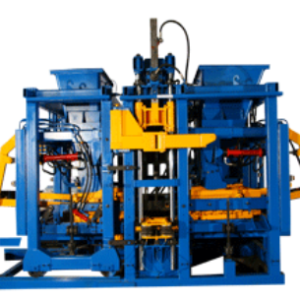
この処理された骨材は全自動ブロックマシンに供給されます。. これらのマシンは精度とパワーを重視して設計されています. プログラマブル ロジック コントローラーを利用しています (PLC) 生産サイクル全体を管理する. 再生骨材をセメントと混合, 水, 一貫したレシピを保証するためのコンピュータ化されたバッチングプラントでの混合物. 混合物はブロック製造機に輸送されます, 激しい振動と油圧で金型に押し込まれる場所. The ability of the machine to handle the potentially irregular shapes and textures of recycled aggregate without compromising the final block's integrity is key. その結果、厳しい寸法公差と強度要件を満たす中空ブロック機械または中実ブロックが得られます。, 都市構造に再統合される準備ができている. このレベルの自動化により、大規模な都市再開発プロジェクトに十分な規模と品質でリサイクルされたコンテンツレンガを確実に生産できます。.
環境と社会の共同利益
リサイクルされた内容レンガを使用することの主な環境上の利点は、天然資源の保護です。. 廃棄物を粘土などの未使用材料に置き換えることにより、, 頁岩, 採石された骨材, これらのレンガは、採掘産業に関連する環境へのダメージを軽減します。. また、埋立地に送られる廃棄物の量も大幅に削減します。, これらの施設の寿命を延ばし、土壌と水の汚染の可能性を軽減します。. エネルギーの節約も大幅に可能. 例えば, フライアッシュを組み込むことで、コンクリートブロックに必要なエネルギー集約型セメントの量が削減されます。, 体現された二酸化炭素排出量を削減する.
直接的な環境指標を超えて, これらの都市再開発レンガソリューションは、社会にプラスの影響を生み出すことができます. コレクション, 並べ替え, そしてCの処理&D廃棄物は地元の環境に優しい雇用を生み出すことができます, 多くの場合、再開発が行われているまさにそのコミュニティで. 地元産の廃棄物を利用して地元プロジェクト用の建築資材を作ることで、地元経済が強化され、コミュニティの所有権と誇りの感覚が醸成されます。. 目に見えるものを提供します, tangible link between the city's past and its future, 再生と機知に富んだストーリーを語る. この物語的側面は、再開発イニシアチブに対する国民の支持を得る強力なツールとなり得る.
パフォーマンス基準と規制をナビゲートする
リサイクルされたコンテンツ ブリックの広範な導入に対する大きな障害の 1 つは、包括的な性能基準と規制の承認が欠如していることです。. 建設業者や建築家が耐久性の低い材料の使用に慎重になるのは当然です。, 確立された実績または明確な認定. でも, 状況は急速に改善しつつある 2025. 研究機関と標準化団体は、さまざまな種類のリサイクルされたコンテンツ ブリックのテスト プロトコルと仕様の開発に取り組んできました。. ASTM International などの組織は、コンクリートでの再生骨材の使用に関する基準を発行しています。, エンジニアが自信を持って設計するために必要なデータを提供します (ASTM C1797-17, 2017).
米国やカナダなどの地域のプロジェクトの場合, 地域の建築基準を遵守することが最も重要です. これには多くの場合、リサイクル材料が強度に関する性能要件を満たしているか、それを超えていることを証明するサードパーティのテストデータの提出が含まれます。, 耐久性, 耐火性, およびその他の主要な指標. より多くの成功したプロジェクトが完了し、長期的なパフォーマンスデータが利用可能になるにつれて, 建築基準法は、これらの革新的な材料にさらに対応できるように徐々に進化しています。. これらの都市再開発レンガソリューションの支持者は、規制当局と積極的に関与する必要があります, 明確な文書とパフォーマンスの証拠を提供して、より広範に受け入れられるよう道を開く.
ケーススタディ: Reclaimed Materials in Seoul's Upcycling Plaza
ソウル, 韓国の首都, 驚くべきビジョンを持って循環経済を取り入れた超高密度のメガシティです. 代表的な例はソウルアップサイクルプラザです。 (すする), アップサイクルのコンセプトに特化した文化複合施設. 建物自体がリサイクル素材の展示場. ファサードと内壁の大部分は、リサイクル材料で作られたレンガで作られています。, 砕いたコンクリートやその他のCを含む&D 市内各地の解体現場から発生する廃棄物.
このプロジェクトは、リサイクルされたコンテンツレンガを使用して、建築的に洗練された、美的に美しい建物を作成できることを実証しています。. SUPで使用されるレンガは、一貫した色を保証できる最新のブロック製造機を使用して製造されました。, テクスチャ, とパフォーマンス. この広場は、アップサイクルに注力するデザイナーや企業の拠点としてだけでなく、一般向けの教育ツールとしても機能します。, 素材に対する循環的なアプローチの可能性と美しさを示す. ソウルアップサイクルプラザは、無駄は設計上の欠陥であるという力強い声明です, 必然ではない, そしてリサイクルされたコンテンツレンガは実行可能で刺激的な都市再開発レンガソリューションであるということ.
今後の軌跡: 生体受容性とカーボンネガティブな設計
リサイクルされたコンテンツ ブリックのフィールドは静的ではありません; 活発で刺激的な研究が行われている分野です. 将来を見据えて, 最も有望な開発の 1 つは、「生体受容性物質」の創出です。" レンガ. コケの成長を促進するように設計された表面質感と化学組成を備えたレンガです。, 地衣類, および他の小さな植物. 生体受容性のあるファサードは空気の質の改善に役立ちます, 生物多様性を増やす, 蒸発散を通じて追加の冷却を提供します.
さらに野心的なのはカーボンネガティブレンガの開発です。. 研究者たちは産業廃棄物の流れを利用したプロセスを実験している, 鉄鋼スラグのような, 硬化する際に大気中の二酸化炭素を吸収する可能性がある. 他のアプローチには、熱分解した有機廃棄物から作られた木炭の一種であるバイオ炭をレンガ混合物に組み込むことが含まれます。. バイオ炭は、もともと植物によって大気から捕捉された炭素を永久に隔離します。. まだ大部分は研究開発段階にありますが、, これらの技術は、私たちの建築材料が積極的に環境を修復できる未来を示しています。, 持続可能性を超えて、真の再生型都市開発モデルへの移行.
3. コンクリート型枠とブロックの断熱: 熱パフォーマンスソリューション
再開発の基礎としてのエネルギー効率
建物の稼働エネルギー - 暖房に消費されるエネルギー, 冷却, 点灯, 換気は世界の温室効果ガス排出に大きく貢献しています. 世界の多くの地域で, 特にロシアやカナダの寒い冬や米国南部の暑い夏のような極端な気候の地域では, heating and cooling represent the largest share of a building's energy use. したがって, 都市再開発のための真剣な戦略 2025 エネルギー効率を重視する必要がある. A highly insulated and airtight building envelope is the first and most effective step in reducing a building's energy demand. それは受動的生存戦略です, 停電や異常気象時に建物が長期間にわたって快適で安全な状態を維持できるようにする. コンクリートフォームの断熱はこのような状況において行われます。 (ICF) とそのユニットベースのいとこたち, 断熱コンクリートブロック, 強力な都市再開発レンガソリューションとして注目を集めています.
絶縁ブロックの構造: 複合的なアプローチ
断熱コンクリートブロックは、断熱材を石積みの壁構造に直接組み込む複合建築ユニットです。. いくつかバリエーションはあるものの、, 一般的なタイプは 2 層のコンクリートで構成されています (「ワイセス」) 金属または複合材のタイによって結合される. コンクリートウィス間の空間は硬質発泡断熱材で満たされています, 通常は発泡ポリスチレン (EPS) または押出ポリスチレン (XPS). もう 1 つの一般的な構成は、あらかじめ成形された断熱インサートを受け入れるように設計された特別な形状の空洞を備えた中空ブロック機械生産コンクリート ブロックです。.
この複合デザインの優れた点は、複数の機能を 1 つのコンポーネントに組み合わせていることです。. コンクリートは構造を提供します, 耐久性, 伝統的な石積みの耐火性. 統合された断熱材が継続的な熱バリアを提供します, 壁を通る熱伝達を大幅に低減. コンクリートの熱質量は、室内の温度変動を緩和するのに役立ちます。, 日中は熱を吸収し、夜になるとゆっくりと熱を放出します。. 断熱材と熱質量のこの相乗効果により、非常に安定したエネルギー効率の高い屋内環境が生み出されます。. このシステムは効果的に構造化された壁を作成します。, 絶縁された, 多くの場合、ワンステップで最終仕上げの準備が整います, 建設プロセスの合理化.
生産に関する洞察: 発泡射出から中空ブロック成形機まで
断熱コンクリートブロックの製造には、コンクリートブロックの製造と断熱技術を組み合わせた多段階のプロセスが必要です. コンクリートコンポーネントは通常、大容量コンクリートブロック製造機を使用して製造されます。. カスタムキャビティを備えたブロックの場合, 特殊な金型を中空ブロック機械で使用して、断熱インサートを収容するために必要な正確な形状を作成します. コンクリート配合自体は標準です, 構造の完全性を確保するための高強度配合.
断熱材の成分, 通常はEPS, 別途製作されます. 発泡剤を含んだ小さなポリスチレンビーズを型内で蒸気で膨張させます。, 融合して硬質フォームの大きなブロックを形成する. これらの大きなブロックは、コンクリート ブロックに必要なインサートの正確な形状に熱線切断されます。. 最終組み立て段階では, あらかじめ成形された断熱材インサートがコンクリートブロックの空洞に取り付けられます。. 一部のシステムの場合, 2 つのコンクリートウィスと断熱コアは単一のユニットとして一緒に鋳造されます。. これらすべてのコンポーネントを完璧に組み合わせるために必要な精度は、高度な技術の重要性を強調しています。, 自動化された製造プロセス. これらのシステムを提供する企業は、すべてのブロックが設計された熱的および構造的性能を確実に提供するために、厳格な品質管理に依存しています。.
複合用途および住宅プロジェクトの利点
断熱コンクリートブロックは、魅力的な一連の利点を提供します, 特に中層住宅や複合用途の建物に最適, 都市再開発計画における一般的な類型. 最も重要な利点は、優れたエネルギー性能です。. これらのブロックで構築された壁は、非常に高い R 値を達成できます。 (熱抵抗の尺度), drastically reducing heating and cooling costs for the building's occupants. 建物の耐用年数にわたって, これらのエネルギーの節約は大幅に可能です, 初期投資に対して大きな利益をもたらします.
コンクリートと発泡体の組み合わせにより優れた遮音性も実現, 密集した都市環境では非常に望ましい機能. コンクリートの塊が交通や近隣からの空気伝播騒音を効果的に遮断します。, より静かで平和な生活空間と作業空間を作り出す. 建設の観点から, 大きな建物, 統合ユニットは従来の多層壁アセンブリよりも高速に処理できます. 鉄筋コンクリート造ならではの耐久性や災害に強いのも大きな魅力, 優れた耐火性を提供します, 強風, 軽量フレーム構造と比較した場合の地震事象の軽減.
設計上の制限と構造上の考慮事項
多くの利点があるにもかかわらず、, 断熱コンクリートブロックには課題がないわけではありません. 複合壁の厚さは、従来の木枠や鋼スタッドの壁よりも厚い, これにより、特定の建物の設置面積に対して正味使用可能な床面積が減少します。. 都市部の高額不動産市場において, この販売可能スペースまたは賃貸可能スペースの損失は、経済的に重要な考慮事項となる可能性があります。.
デザインの観点から, ブロックのモジュール的な性質により、アーキテクチャ上の表現にいくつかの制約が課される可能性があります, 特に複雑な曲線や非直角な形状を持つ建物の場合. メーカーはさまざまな形状やサイズのブロックを提供していますが、, このシステムはより直線的なデザインに最適です. 構造的に, このシステムは鉄筋に依存しています (鉄筋) 引張強度を提供するためにコンクリートコア内に配置されます. The proper placement of this reinforcement according to the engineering design is absolutely critical to the wall's structural performance. 慎重な計画と建設中の検査が必要です. ついに, 施工後の断熱コンクリートブロック壁の修正など, 新しい窓やドアの開口部を追加することは、枠の壁を変更するよりも複雑で費用がかかります.
ケーススタディ: バンクーバーのパッシブハウス基準, カナダ
バンクーバー, 温暖だが湿った気候と野心的なグリーンビルディング目標を持つ, 高性能建設における北米のリーダーとなった. 市はパッシブハウスを積極的に推進している (パッシブハウス) 標準, 厳格な, 建築物のエネルギー効率に関する自主基準, 生態学的フットプリントを削減します. パッシブハウス認証を取得するには、非常に気密性と断熱性に優れた建物の外皮が必要です.
断熱コンクリートブロックと型枠は、これらの厳しい要件を満たす効果的なツールであることが証明されています。. バンクーバーのいくつかの集合住宅プロジェクトでは、ICF または断熱ブロック システムを利用して超断熱壁アセンブリを作成しています。. 例えば, 「ザ・ハイツ」" 完成時にパッシブハウス基準に認定されたカナダ最大の建物の1つでした. その構造はICFシステムを使用して構築されました, which was instrumental in achieving the project's stringent airtightness and thermal performance targets. これらのプロジェクトは、断熱ブロックが単なる理論上の概念ではなく、次世代の超低エネルギー建築物を作成するための実用的で実証済みの都市再開発レンガソリューションであることを実証しています。, 厳しい規制環境においても.
熱量と乗員の快適性の交差点
断熱ブロックに関する話題は、多くの場合、エネルギーの節約に集中します。, しかし、熱質量の概念は人間の快適さと幸福に深い影響を及ぼします. 熱質量は材料が吸収する能力です, 店, そしてその後熱を放出. コンクリートは熱質量が大きい. デザイン性の高い建物の中で, 断熱ブロック壁の内部コンクリートウィスが熱フライホイールとして機能します. 暑い日には, コンクリートは内部からの余分な熱を吸収します, 空間の過熱を防ぐ. 夜になると外気温が下がってくるので, 蓄えられた熱はゆっくりと空間に放出されます, 暖房の必要性を減らす.
この温度調節効果により、より安定した快適な室内環境が生まれます。, 軽量の建物で発生する可能性のある急激な温度変動がありません。. この安定性は単なる快適さの問題ではありません; 健康上の利点がある可能性があります, 特に弱い立場にある人々にとって. 堅牢な, 石積みの建物の重厚感は、心理的な安心感や永続性にも寄与します。, 都市生活に求められる品質. 断熱ブロックなどの都市再開発レンガソリューションを選択する場合, U 値を指定するだけではありません; 私たちは空間に住むという基本的な経験を形作っているのです.
4. 圧縮安定化アースブロック (CSEB): 低炭素の郷土料理
都市の文脈における土建築との再接続
何千年もの間, 人類は地球そのものからシェルターを構築しました. 日干しレンガ, アドビ, 穂軸, 版築土は知られている中で最も古い建築材料の一つです。. 産業時代には, これらの現地の伝統は、コンクリートや鋼鉄などの工業材料に大部分が取って代わられました。. でも, 現代の建設業界の膨大な二酸化炭素排出量に取り組む中で, 土の建築物への新たな関心が高まっている. 圧縮安定化アースブロック (CSEB) この古代の習慣の現代的な進化を表す. 地元の土壌を使用することによる環境への影響の少なさと、強力な製品を生み出す製造プロセスを組み合わせています。, 耐久性, 均一な建物ユニット. 都市再開発のレンガソリューションとして CSEB を採用することは、現代の建築科学と深い建築科学を結びつける再接続の行為です。, 場所の歴史の知恵.
土壌安定化の科学
CSEBの原料は土壌です, しかし、どんな土でも良いというわけではありません. 理想的な土壌には特定のバランスの砂が含まれています, シルト, そして粘土. 砂は嵩高さと圧縮強度を提供します, シルトは充填剤として機能します, 粘土は天然の結合剤として機能します. A simple field test can often determine a soil's suitability. 現地の土壌が理想的でない場合, 近くの供給源からの砂や粘土と混合することで修正できます.
ブロックの強度と耐水性を向上させるため, 土壌は通常「安定化されている」" 少量の結合剤を含む. 最も一般的な安定剤はポルトランドセメントです, 通常、次の割合で追加されます 5% に 10% 重量で. ライムも効果的な安定剤です, 特に粘土含有量の高い土壌の場合. 安定剤は土壌混合物中の水と粘土と反応して、強力な土壌を形成します。, 土壌粒子を結合する耐水性マトリックス. 科学は最適な組み合わせを見つけることにあります: 耐久性を確保するのに十分なスタビライザー, しかし、地球を使用することによる低炭素の利点が打ち消されるほどではありません。. This careful calibration is key to the material's success.
セメントマシンとプレス: 高密度ブロックの作成
CSEB の製造プロセスは非常にシンプルであり、小規模から拡張可能です。, コミュニティレベルの運営からより機械化されたセットアップへ. このプロセスは、土壌をドライスクリーニングして大きな石を取り除くことから始まります。, ルーツ, そして有機物. 選別された土壌は安定剤と完全に混合されます。 (例えば。, セメント) そして正確な量の水. 均質な混合物を確実に得るために、小規模のセメント機械または大型のコンクリートミキサーをこのステップに使用できます。. 水分含有量は重要です; 混合物は湿っている必要があります, でも濡れていない.
プロセスの中心はブロックプレスです. これは手動操作のレバープレスにすることができます, 小規模に適した, 自助プロジェクト, または、生産量を増やすためのより強力な電動油圧プレス. 湿った土壌混合物をプレスの鋼製金型に投入します。, そして計り知れないプレッシャー—最大で 20 メガパスカル (MPa)—適用される. この圧縮により、土壌粒子が密集した状態になります。, ぎっしり詰まったアレンジメント, 立体を作成する, 高密度ブロック. 報道機関から追い出された後, ブロックは慎重に積み重ねられ、約1時間硬化させます。 28 日々. この間, セメントや石灰が完全に水和して硬化するように、湿った状態に保たれます。. 従来のレンガとは異なり、, CSEB は起動されない, これが彼らの膨大なエネルギーと炭素節約の主な源です.
文化的共鳴と美的魅力
CSEB の壁には独特の美的品質があります. ブロックの色は地元の土壌から直接得られます。, 文字通り風景に根ざした建物を作ること. 豊かな赤や黄土色から、柔らかい茶色や黄褐色までさまざまです。. ブロックごとに色や質感が微妙に異なることで、視覚的に豊かで「生き生きとした」空間が生まれます。" 大量生産された材料では再現できない表面. わずかな欠陥や製造過程の痕跡が、素材に本物らしさと温かみを与えています。.
世界の多くの地域で, 土を使った建物には深い文化的共鳴がある. 都市再開発プロジェクトで CSEB を使用すると、最新の技術を採用しながら地元の伝統を尊重することができます。. 独特の場所感を作り出すのに役立ちます, グローバル化されたアーキテクチャの均一化への傾向に抵抗する. 住民向け, 土壁の中で暮らすことで自然界とのつながりを育むことができる, たとえ密集した都市環境であっても. 素材は「呼吸する」," つまり、湿気を吸収したり放出したりできるということです, 室内の湿度を調整し、より健康的な室内空気の質を作り出すのに役立ちます。.
脆弱性: 水分, 侵食, と建築基準法
土製建築材料の主な敵は水です。. セメントまたは石灰で安定化すると耐水性が大幅に向上します, CSEB の壁は、焼成レンガやコンクリートよりも依然として湿気による損傷を受けやすい. 雨や湿気の上昇に長時間さらされると、ブロックが軟化して浸食される可能性があります. したがって, CSEB を使用した設計では、細部まで細心の注意を払う必要があります, これは、「良いブーツと良い帽子」とよく言われる習慣です。" 「良いブーツ」" 固体を指す, 土壁を地面レベルより十分に高くする防水基礎. 「良い帽子」" 直接の雨から壁を保護する、屋根の張り出しを大きくすることを指します。. 保護を強化するために、耐久性のある外装石膏またはレンダリングを適用することもできます。, 多くの人はブロックの美しさを露出したままにすることを好みますが、.
風による雨も時間の経過とともに表面浸食を引き起こす可能性があります. これはメンテナンスの問題であり、透明なシーラントを定期的に塗布するか、影響を受けた部分を再漆喰で塗り直すことで対処できます。. 土造りの建築が一般的ではない地域では、建築基準当局からの承認を得るのも困難になる可能性があります, アメリカや韓国の一部のように. Proponents often need to provide extensive engineering data and examples of successful projects from other regions to demonstrate the material's safety and durability, 専門家の指導なしに都市再開発のレンガソリューションを導入するのはより困難になります.
ケーススタディ: 地方と都市の境界におけるコミュニティ主導の住宅
世界の主要都市の密集した中心部ではあまり一般的ではありませんが、, CSEB は、都市部周縁部のコミュニティ主導の住宅プロジェクトで大きな成功を収めています。, 特に発展途上国では. インドのオーロヴィル地球研究所は、CSEB テクノロジーの世界的リーダーであり、数千の建物の建設を促進してきました。. 彼らの取り組みは、CSEB の生産がどのようにして地元企業として確立できるかを示しています。, 仕事を提供し、手頃な価格で, 地域社会に向けた質の高い住宅.
これらのプロジェクトでは, 土壌検査からブロック製造、石積みに至るプロセス全体は、多くの場合、技術の訓練を受けた地元住民によって行われます。. シンプルな使い方, 手動ブロックプレスと混合用の小型セメント機械により、この技術を利用しやすく手頃な価格で提供できます。. 出来上がった住宅は、低コストで環境に優しいだけでなく、文化的にも適切であり、その建設に携わった家族にとって大きな誇りの源となります。. これらのプロジェクトは、CSEB の利点が技術的なものだけでなく、社会的、経済的なものであることを示しています。, コミュニティが自らの再開発に積極的な役割を果たすことができるようにする.
地元の大地でつくる建築の哲学的魅力
CSEB を使用して構築するという選択は、単なる技術的な決定ではありません; それはある種の哲学的な重みを持っています. 地域環境と調和した建築を目指す意思表示です。, それに反対するのではなく. これはグローバル化されたサプライチェーンからの脱却を意味します。, 高い輸送コストと匿名の資料, 地域自給自足モデルに向けて. 耐久性のある製品を作ることに深い満足感があります, beautiful shelter from the very soil beneath one's feet. 地元の地質と生態についてのより深い理解を促進します。. デジタル抽象化と仮想現実の時代に, 地球に働きかけるという具体的な行為, 変数, そして古代の素材は、地に足が着く、深く人間味のある体験となる可能性があります. 単に建物を建てるのではなく、コミュニティや場所とのつながりを構築することを目的とした都市再開発プロジェクトに, CSEB は独自の強力な経路を提供します.
5. 高強度建築用化粧レンガ: 耐久性とデザインの融合
レンガ造りのファサードの不朽の遺産
セント ポール大聖堂から、ほとんどすべての大都市の歴史地区を歩いてみましょう。. サンクトペテルブルクからボストンまで、焼成した粘土レンガの長寿命の証を歩くことになります。. 何世紀にもわたって, この素材は、物質的な建物を作成するために選択されてきました。, 永続, そして市民の尊厳. 21世紀の都市再開発の文脈で, 高強度の建築用化粧レンガは名誉ある地位を保ち続けています. プロジェクトの目標に優れた耐久性が含まれる場合に最適な材料です。, 長期メンテナンスの負担が少ない, 過去と未来をつなぐ、時代を超越した美学. 他の素材はもっと斬新かもしれませんが、, 証明されたものに匹敵するものはありません, しっかりとしたレンガ造りのファサードが何世代にもわたってパフォーマンスを発揮. これは、遺産と耐久性を語る都市再開発レンガソリューションです.
優れた素材: 粘土, シェールズ, と最新の添加物
建築用化粧レンガは、質素で豊かな素材としてその生涯を歩み始めます。: 粘土または頁岩. 粘土堆積物の特定の鉱物組成が、レンガの基本的な特徴、つまり色を与えます。, その質感, とその発火特性. メーカーは、特定の美的特性や性能特性を達成するために、さまざまな供給源からの粘土をブレンドすることがよくあります。. 原料の粘土は発掘され、その後熟成または「風化」されます。" 一定期間, それはそれを分解し、その可塑性を改善するのに役立ちます.
形成前, 粘土は粉砕されます, 上映された, 成形プロセスに必要な正確な粘稠度を達成するために水と混合します。. 現代のレンガ製造では、最終製品を強化するために添加剤が使用されることがよくあります。. 例えば, 二酸化マンガンを加えて茶色を作ることができます, グレー, または黒レンガ. 酸化鉄はさまざまな赤色の色合いを作り出すために使用されます. 切断前に粘土柱の表面に砂を加えて、テクスチャーのある仕上げを作成できます。. これらの添加剤により、膨大な色とテクスチャのパレットが可能になります, 建築家に高度なクリエイティブコントロールを与える.
焼成と成形: ブリックマシンの芸術と科学
柔らかい粘土を岩のように硬いセラミックユニットに変えるのは、制御された暴力のプロセスです, 計り知れない圧力と激しい熱を伴う. 現代の建築用レンガを形成する最も一般的な方法は、硬泥押出プロセスです。. 準備された粘土はレンガ製造機に供給されます, または押出機, 粘土を金型に押し込み、目的の断面の連続した柱を作成します。. このカラムは切断テーブルに押し込まれます。, 一連のワイヤーが驚くべき精度で個々のレンガにスライスします。.
「緑」" その後、レンガは慎重に窯車に積み上げられ、乾燥機に移されて水分のほとんどがゆっくりと除去されます。. この乾燥段階は非常に重要です; あまりにも早く終わった場合, レンガが割れる可能性がある. 乾燥後, レンガが窯に入ります. 現代のレンガ工場では長いトンネル窯が使用されています, レンガが増加するゾーンをゆっくりと移動する場所, その後減少, 温度. 900℃~1200℃の温度で焼成されます。. この激しい熱により、ガラス化と呼ばれるプロセスが引き起こされます。, 粘土粒子が部分的に溶けて融合する場所, 密集したものを作成する, 難しい, 永久セラミックボディ. プロセス全体, 押出から窯出しまで, 多くの場合、完全に自動化されたブロックマシン制御システムによって管理されます。, 毎日生産される何千ものレンガのそれぞれが、前回のレンガのほぼ完璧なコピーであることを保証します。. 高品質なものが見つかります 販売のためのレンガ製造機 このレベルの精度を提供する.
比類のない長寿命と低メンテナンス
建築用化粧レンガの主な利点は、その並外れた耐久性です。. 適切に製造され設置されたレンガのファサードは、風雨の影響をほとんど受けません。. 腐らない, 凹み, または腐食する. 火に強いです, 害虫, そして湿気. レンガの色はユニットに組み込まれています, 表面コーティングではありません, 時間が経っても色褪せたり剥がれたりしません. レンガの壁の予想耐用年数はとうに過ぎています 100 年, そして多くの歴史的な例はそれよりもずっと長く続いています.
この耐久性により、メンテナンスの必要性が非常に低くなります。. レンガのファサードは通常、塗装を必要としません, 染色, またはシーリング. 一般に必要なメンテナンスは、モルタル接合部の定期的な検査と時折のタックポインティングだけです。 (劣化したモルタルの補修) 数十年ごとに. ビルオーナー様・施設管理者様へ, これは「設定したらあとは忘れる」" 品質は長期的に大きな経済的利点をもたらします. 建物のライフサイクルコスト分析において, レンガはメンテナンスコストが低いため、耐久性の低いクラッディングシステムと比較して初期材料コストが高いことを相殺できることがよくあります。.
身体化された炭素に関する議論
気候に配慮した設計の時代に建築用レンガが直面する最大の課題は、炭素が多く含まれていることです。. 粘土を窯で焼くプロセスは非常にエネルギーを消費します, そして歴史的に, このエネルギーは天然ガスなどの化石燃料を燃やすことで得られます. 結果として, 単一のレンガを製造する際の二酸化炭素排出量は、CSEB やコンクリート ブロックなどの未焼成ユニットの二酸化炭素排出量よりも大幅に高くなります。.
レンガ業界はこの課題を痛感しており、積極的に取り組んでいます。. 現代のプラントは、キルンの設計と熱回収システムの改善により、エネルギー効率が大幅に向上しています。. 一部のメーカーは、窯の燃焼にバイオ燃料や水素を使用することを実験しています。, 二酸化炭素排出量を劇的に削減できる可能性がある. 「全生涯炭素」に向けた動きも高まっています。" 分析. This approach considers not only the embodied carbon of manufacturing but also the carbon emissions over the building's entire life. レンガの壁は耐久性に貢献するため, 交換や修理がほとんど、またはまったく必要ない、エネルギー効率の高い建物, 初期の固着炭素の多さは、非常に長い耐用年数にわたって運用およびメンテナンスに関連した炭素排出量が少ないことで部分的に相殺できます。 (アル・アイシュ, 2023).
ケーススタディ: モスクワの歴史的保存とモダニズムの融合, ロシア
モスクワは奥深い歴史の層を持つ都市です, ここでは、何世紀も前の石積みの建物が、大胆なモダニズムと現代的な建造物と並んで立っています。. In many of the city's recent high-profile urban redevelopment projects, 建築用レンガはこれらの異なる時代の架け橋として使用されてきました. 例えば, ZIL工場地帯などの旧工業地帯の再開発において, 建築家はレンガを使って新しい住宅や商業ビルを覆いました. The choice of brick pays homage to the site's industrial heritage, 元々の工場の建物の多くはレンガで建てられていたため、.
でも, 新しいレンガ造りは単なる模倣ではありません. 多くの場合、最新の結合パターンが採用されています, 色, 明らかに現代的な建築表現を生み出すためのディテール. 高品質のものの使用, 耐久性のある化粧レンガにより、都市に新たに追加された建物が、その隣に建つ歴史的建造物と同じ寿命と物質的完全性を保証します。. これらのプロジェクトは、複雑で進化する都市構造の中に連続性と素材の一貫性の感覚をもたらすレンガのユニークな能力を実証しています。, 豊かな歴史を持つ都市にとって不可欠な都市再開発レンガソリューションとなっています.
公共空間における石積みの表現力豊かな可能性
建築用レンガの応用は、建物のファサードを超えて、より広い公共領域にまで広がります。. 舗装材として, レンガは温もりを与えてくれる, テクスチャ, そして、広大なコンクリートやアスファルトからは失われがちな人間のスケール。. レンガ舗装は歩行者ゾーンの境界線に使用可能, 複雑なパターンを作成する, 広場に視覚的な面白さを加えます, 歩道, そして中庭. 豊富なカラーパレットと、シンプルなランニングボンドからエレガントなヘリンボーンまで、さまざまなボンドで配置できる機能は、デザイナーにプレイスメイキングのための強力なツールを提供します。.
レンガは耐久性があるため、ベンチなどのハードスケープ要素にも適しています。, プランターの壁, そして擁壁. これらの要素, 隣接する建物と同じ材質で造られた場合, 統一された調和のとれた公共空間を作り出すのに役立ちます. The material's ability to age gracefully, 時間の経過とともに緑青が得られる, 場所の個性と永続性を高める. 都市再開発において, 多くの場合、魅力的で愛される公共スペースを作成することが目標となります。, 建築用レンガの触感と視覚的性質により、レンガは設計ツールキットの貴重なコンポーネントとなっています。.
ソリューションの統合: 意思決定の枠組み 2025 プロジェクト
コンテキストは王様です: ソリューションを現場に適合させる
私たちは 5 つの異なる都市再開発レンガソリューションを検討してきました。, それぞれが独自の強みを持っています, 弱点, 費用, そして利益. 避けられない結論は、単一の「最良のもの」は存在しないということです。" 解決. 最適な選択は基本的にコンテキストに依存します. A successful outcome hinges on a thoughtful and holistic evaluation of the specific project's goals, the site's environmental conditions, 地域の経済的および社会的構造, そして求められる建築表現.
地価の高い洪水常襲地域のプロジェクトの場合, 透水性インターロッキングコンクリート舗装の雨水管理と多機能効率は最も合理的な選択かもしれません. 循環経済原則への強い取り組みと C の供給が容易な都市で&D廃棄物, リサイクルされたコンテンツ ブリックは持続可能性についての説得力のある物語を提供します. カナダ北部のような極端な気候の中で集合住宅を建設する開発業者の場合, 断熱コンクリートブロックがもたらす長期的なエネルギー節約と居住者の快適さは、最高のライフサイクル価値を提供します。. 地元の労働力を大切にする地域密着型のプロジェクトで, 文化的表現, 二酸化炭素排出量を最小限に抑えます, 圧縮安定化アースブロックは強力な代替手段を提供します. プロジェクトが永続性を表明する必要がある場合, 威信, そして時代を超越したデザイン, 高強度建築用化粧レンガの比類のない耐久性と美的範囲は、依然として優れた選択肢です. プロジェクト チームの仕事は、普遍的に優れた材料を探すことではありません, ただし、適切な解決策を適切な問題に適合させる厳密なプロセスに取り組む必要があります。.
自動化された製造の役割
これらの最新のレンガ ソリューションの議論に共通するのは、高度な製造技術の重要な役割です。. これらの材料を大規模に生産する能力, 一貫した品質と厳しい公差を備えた, 大規模な都市再開発に適しているのです. 最新のコンクリートブロック製造機, 洗練された舗装ブロックマシン, 強力な中空ブロックマシン, と精密に制御されたレンガ機械は、この物語の縁の下の力持ちです.
オートメーション, PLCシステムによる管理, ensures that every unit—whether it's a permeable paver, リサイクルされたコンテンツのブロック, または高強度化粧レンガ - 指定された性能基準を満たします. この信頼性により、建築家やエンジニアは自信を持ってこれらの材料を指定できます。. さらに, 現代の製造業はよりクリーンかつ効率的になっています. 新しい機械は無駄を最小限に抑えるように設計されています, エネルギー消費を最適化する, リサイクルされたコンテンツの組み込みを許可します. この分野への参入を検討している開発者または請負業者の皆様へ, 高品質への投資, 全自動ブロックマシン生産ラインは効率だけではありません; 最終製品の品質と完全性を確保することが重要です, それが都市再開発プロジェクトの成功の基礎となる.
未来を垣間見る: 3D プリント石材とスマートレンガ
レンガの進化はまだ終わっていない. 石積み建設で何が可能かを再び定義できる技術が目前に迫っています. 3D印刷, または積層造形, 建設業界にも進出し始めている. 研究者や企業は、コンクリートまたは土ベースの材料を使用して建物全体または建物コンポーネントを 3D プリントできるロボット システムを開発しています。. この技術により、信じられないほど複雑でカスタマイズされたレンガの形状や壁アセンブリの作成が可能になる可能性があります。, 構造性能とエネルギー効率を最適化, 材料廃棄物がほぼゼロ.
もう 1 つのエキサイティングなフロンティアは、「スマート レンガ」の開発です。" これらは統合センサーを備えたビルディングブロックです, エレクトロニクス, あるいはエネルギーハーベスティング機能さえも. レンガ自体の構造上の健全性を監視できることを想像してください。, 温度と湿度を感知する, または太陽エネルギーを捕捉することもできます. まだ幼少期にありながら, これらのテクノロジーは、建物の外皮がもはや受動的なシェルではなく、アクティブなシェルとなる未来を示しています。, responsive system that contributes to the building's intelligence and performance. These future urban redevelopment brick solutions promise to embed even more functionality into one of humanity's oldest and most trusted building materials. レンガの旅, シンプルな泥ブロックからインテリジェントな建築コンポーネントまで, 人間の創意工夫についての力強い物語です.
よくある質問 (よくある質問)
最も持続可能な都市再開発レンガソリューションは何ですか?
サステナビリティは多面的です, だから「一番" 持続可能な選択肢は優先順位によって決まる. 含有炭素量が最も少ない場合, 圧縮安定化アースブロック (CSEB) 彼らは解雇されていないため、通常は優れています. 循環型経済の推進に向けて, 廃棄物を埋め立て地から転用するため、リサイクルされたコンテンツレンガが最良の選択です. 透水性舗装は、水管理と生態系の健全性に関連する持続可能性の大きな利点を提供します. 全生涯炭素評価は、特定のプロジェクトの全体的な環境への影響を判断する最良の方法です.
透水性舗装は雪や氷のある寒冷地でも使用できますか?
はい, 透水性舗装システムはカナダやロシアなどの寒冷地でうまく使用されています. 鍵となるのは、深い骨材ベースの適切な設計と設置です。, ヒーブを防ぐために霜線よりも下まで延長する必要があります. 冬の間, 底部の空隙には溶けた水が溜まる可能性がある, 表面の氷の形成を減らす. 除氷塩も使用可能, ただし、砂はジョイントに詰まる可能性があるため避けてください。. 降雪地域で長期間性能を維持するには、適切なメンテナンスが重要です.
これらの現代のレンガのコストは伝統的な建築材料とどのように比較されますか?
初期費用が違う. 地元の土壌が適切で労働力が手頃な場合は、CSEB が最も安価になる可能性があります. リサイクルされたコンテンツレンガと標準的なコンクリートブロックは、多くの場合、従来の材料とコスト競争力があります。. 透水性舗装, 絶縁ブロック, ハイエンドの建築用化粧レンガは、通常、従来のアスファルトまたは木枠構造よりも初期の材料費と設置コストが高くなります。. でも, 多くの場合、エネルギー節約によりライフサイクルコストが低くなります, 雨水インフラのニーズの削減, 優れた耐久性と少ないメンテナンスで.
これらの特殊なブリック システムをインストールするためのスキルはありますか?
熟練労働者の確保は地域によって異なります. 標準的なコンクリートブロックまたは化粧レンガの設置は伝統的な仕事です. でも, 浸透性舗装や断熱コンクリートブロックなどのシステムには特別なトレーニングが必要です. PICP の設置には基礎の準備と圧縮に関する専門知識が必要です, 一方、断熱ブロックシステムには、補強材の慎重な配置と細部への注意が必要です。. こうしたシステムがより一般的になるにつれて、, より多くの請負業者が必要な専門知識を開発しています. 材料メーカーの認定を受けた請負業者と協力するのが賢明です.
このレンガを製造するにはどのような機械が必要ですか?
機械はレンガの種類によって異なります. 透水性舗装と断熱ブロックは頑丈なコンクリートブロック製造機で作られます, 多くの場合、舗装ブロック機械または中空ブロック機械モデル. リサイクルされたコンテンツブリックも、さまざまな骨材に適応した同様のブロック製造機を使用します。. 焼成された建築用レンガには押出機が必要です, カッター, そして大きなトンネル窯. CSEB の生産は、単純な手動プレスまたは電動油圧セメント機械とプレスで行うことができます。. 大規模向け, あらゆる種類の高品質な生産, 全自動ブロックマシンラインは業界標準です.
米国の建築基準法はどうなっているか, カナダ, とロシアはこれらの資料に対処する?
建築基準法は徐々に適応されつつある. アメリカとカナダでは, コンクリートブロックや焼成レンガなどの材料は、ASTM および CSA グループの規格に十分に準拠しています。. PICP や断熱ブロックなどの新しいシステムもますます認知されてきています, 多くの場合、Interlocking Concrete Pavement Institute などの業界団体からの特定のガイドラインが適用されます。 (ICPI). CSEB の承認を得るのはより困難な場合があり、特定のエンジニアリング データの提出が必要になる場合があります。. ロシアには独自の GOST 基準セットがある, 伝統的な石積みはよく理解されていますが、, 新しいシステムを採用する場合、地域の構造規制および熱規制への準拠を実証するために、同様の技術検証プロセスが必要になる場合があります。.
結論
レジリエンスへの道, 公平な, そして持続可能な都市は、時には文字通り、私たちが行う物質的な選択によって舗装されます。. これら 5 つの異なる都市再開発レンガ ソリューションを検討すると、古代の伝統と現代テクノロジーが融合したダイナミックで革新的な景観が明らかになります。. 単一の答えはありません, 万能薬はない. その代わり, 目の肥えた建築家が利用できる豊富なツールキットがあります, プランナー, そしてビルダー. 知性とはお気に入りの素材を見つけることにあるのではない, しかし選択の技術を習得する上で: understanding the deep context of a place and aligning the unique capabilities of a material with the highest aspirations for that community's future. 水を受け入れる透水性舗装の細孔から圧縮土壌ブロックの土の中心部まで, これらの材料は、耐久性に優れた都市環境を構築するための多様な道筋を提供します。.
参照
アル・アイシュ, n. (2023). 建築工事における生涯炭素評価: 体系的な文献レビュー. 建物, 13(4), 1058. https://doi.org/10.3390/buildings13041058
ASTM C1797-17, コンクリート組積造ユニットのリサイクル内容に関する標準仕様書, ASTMインターナショナル, ウェスト・コンショホッケン, PA, 2017. https://www.astm.org/c1797-17.html
ゲイ, M. (2022). 都市の雨水管理: 洪水リスクの軽減と水質改善における透水性舗装の役割. 環境管理ジャーナル, 305, 114389.
間違い, M., 電話, L., & デウィル, R. (2021). 透水性舗装の適用の機会と課題の概要. 環境汚染, 287, 117565.
山東ヘンリー知能機械製造有限公司, 株式会社. (2025). 全自動ブロックマシン生産ライン. 中国製.com.
臨沂福朗機械有限公司, 株式会社. (2019). QTF6-15 自動コンクリートブロック製造機. BlocksMachine.com. www.blocksmachine.com
ロントグループ. (2025). 定置式ブロック製造機. Block-machine.net.
オシノマシナリー. (2023). セメントコンクリートブロック/土連動レンガ機械中国メーカー. オシノマシナリー.com.
QGM/ゼニス. (2024). 自動コンクリートブロック製造機. Zenithbrickmachine.com. www.zenithbrickmachine.com
アリババ. (ND). 自動セメントブロック成形機. アリババ.com.