Abstrak
Akuisisi mesin pembuat blok merupakan investasi modal yang signifikan untuk setiap perusahaan konstruksi atau manufaktur. Analisis ini meneliti kasus yang menarik untuk mencari mesin pembuat batu bata di China di 2025 Pasar Global, berfokus pada lima domain utama keuntungan: efisiensi ekonomi, kemajuan teknologi, fleksibilitas produksi, jaminan kualitas, dan dukungan logistik. Studi ini berpendapat bahwa pabrikan Tiongkok telah mengembangkan ekosistem industri unik yang memungkinkan mereka memproduksi peralatan berteknologi canggih, seperti mesin blok yang sepenuhnya otomatis, pada titik harga yang sangat kompetitif. Hal ini dicapai bukan melalui kompromi dalam kualitas, namun melalui skala ekonomi, rantai pasokan yang matang, dan persaingan domestik yang ketat. Evaluasi yang berbeda mengungkapkan bahwa proposisi nilai melampaui harga pembelian awal dan mencakup total biaya kepemilikan yang lebih rendah, pilihan penyesuaian yang luas untuk produk seperti paver block dan hollow block, dan dukungan purna jual yang kuat. Untuk bisnis di Amerika Utara, Eropa, dan Asia, memahami manfaat terpadu ini sangat penting untuk membuat keputusan investasi yang strategis dan meningkatkan kapasitas produksi dan profitabilitas.
Kunci takeaways
- Evaluasi total biaya kepemilikan, bukan hanya harga awal, untuk investasi yang lebih baik.
- Model mesin pembuat batu bata Tiongkok modern sering kali menggunakan otomatisasi dan teknologi canggih.
- Carilah produsen yang menawarkan penyesuaian untuk berbagai jenis balok dan cetakan.
- Verifikasi sertifikasi kontrol kualitas dan kepatuhan terhadap standar internasional.
- Konfirmasikan ketersediaan layanan purna jual dan suku cadang yang komprehensif.
- Mesin pembuat balok serbaguna dapat menghasilkan beton, kosong, dan blok paver.
- Pilih pemasok yang memiliki reputasi baik untuk memastikan keandalan dan dukungan jangka panjang.
Daftar isi
- Alasan 1: Paradigma Efektivitas Biaya Melampaui Label Harga Awal
- Alasan 2: Manufaktur Maju dan Kecanggihan Teknologi
- Alasan 3: Kustomisasi dan Keserbagunaan Produksi yang Tak Tertandingi
- Alasan 4: Jaminan Kontrol Kualitas yang Kuat dan Standar Global
- Alasan 5: Rantai Pasokan yang Efisien dan Sistem Pendukung yang Komprehensif
Alasan 1: Paradigma Efektivitas Biaya Melampaui Label Harga Awal
Ketika sebuah bisnis mempertimbangkan pengadaan alat industri berat, percakapan sering kali dimulai dengan harga. Belum, fiksasi pada angka tagihan awal dapat mengaburkan realitas ekonomi yang lebih mendalam. Apa, Kemudian, merupakan nilai sebenarnya dalam peralatan industri penting seperti mesin pembuat blok? Argumen mengenai keunggulan ekonomi mesin pembuat batu bata di Tiongkok tidak hanya didasarkan pada klaim sederhana “lebih murah,” tetapi berdasarkan pemahaman komprehensif tentang total biaya kepemilikan (Tco), sebuah konsep yang mencakup setiap biaya yang dikeluarkan sepanjang masa operasional alat berat. manufaktur Cina, khususnya di sektor khusus seperti mesin konstruksi, telah mencapai tingkat efisiensi yang memungkinkan dilakukannya evaluasi ulang terhadap apa yang mungkin dilakukan dalam anggaran modal tertentu.
Menganalisis Total Biaya Kepemilikan
Harga pembelian awal hanyalah titik masuk. Seorang investor yang bijaksana harus memproyeksikan ke depan, mempertimbangkan lanskap keuangan seluruh siklus hidup mesin. Ini termasuk biaya operasional, seperti konsumsi energi dan kebutuhan tenaga kerja. Ini juga termasuk biaya pemeliharaan, yang mencakup servis rutin dan penggantian suku cadang yang dapat dipakai. Akhirnya, kita harus memperhitungkan produktivitas dan masa pakai alat berat, yang pada akhirnya menentukan laba atas investasi.
Mesin pembuat batu bata Tiongkok modern sering kali dirancang dengan mempertimbangkan prinsip-prinsip TCO ini. Sebagai contoh, banyak model menampilkan sistem dan motor hidrolik hemat energi, yang dapat menghasilkan penghematan besar pada tagihan listrik selama bertahun-tahun beroperasi. Demikian pula, pergerakan menuju otomatisasi, ciri khas masa kini mesin blok sepenuhnya otomatis, mengurangi ketergantungan pada tenaga kerja manual. Hal ini tidak hanya menurunkan biaya penggajian tetapi juga mengurangi risiko kesalahan manusia, menghasilkan kualitas produk yang lebih konsisten dan lebih sedikit pemborosan bahan. Bila Anda membandingkan tabungan jangka panjang ini dengan pengeluaran modal awal, logika ekonomi menjadi sangat jelas. Biaya awal yang lebih rendah bertindak sebagai katalis, memungkinkan jalur yang lebih cepat menuju profitabilitas.
Skala Ekonomi dalam Manufaktur Tiongkok
Bagaimana mungkin produsen menawarkan mesin canggih seperti itu pada titik harga seperti ini? Jawabannya terletak pada luasnya, ekosistem industri yang saling berhubungan di Tiongkok. Pembangunan yang terfokus selama berpuluh-puluh tahun telah menciptakan lingkungan di mana skala ekonomi tidak hanya sekedar konsep yang ada di buku teks, namun menjadi kenyataan sehari-hari. Produsen mesin pembuat balok beton mendapat manfaat dari rantai pasokan dalam negeri yang sangat maju. Semuanya dari baja mentah yang digunakan dalam rangka, ke pompa hidrolik, ke pengontrol logika yang dapat diprogram (PLC) yang membentuk otak mesin, dapat bersumber dari spesialis, efisien, dan pemasok yang dekat secara geografis.
Kedekatan dan skala ini mengurangi biaya pengadaan, meminimalkan overhead transportasi, dan mempersingkat jadwal produksi. Persaingan domestik yang ketat semakin mendorong inovasi dan menekan produsen untuk terus mengoptimalkan proses mereka. Untuk pembeli internasional di Amerika Serikat, Kanada, atau Rusia, ekosistem ini menghasilkan harga yang lebih terjangkau untuk mesin pembuat blok berkualitas tinggi. Anda, berlaku, mendapatkan manfaat dari tingkat optimalisasi industri yang sulit ditiru di tempat lain di dunia.
Menavigasi Tarif dan Pengiriman untuk Penghematan Maksimal
Untuk pengadaan internasional apa pun, biaya logistik dan bea masuk menjadi pertimbangan serius. Analisis yang bijaksana memerlukan faktor-faktor tersebut dalam biaya perolehan akhir. Pemasok Tiongkok yang bereputasi baik memiliki pengalaman luas dalam bidang logistik global. Mereka telah menjalin hubungan dengan perusahaan pelayaran dan perantara bea cukai, memungkinkan mereka untuk menavigasi kompleksitas perdagangan internasional secara efisien. Mereka sering kali dapat memberikan informasi yang akurat, kutipan lengkap yang mencegah pengeluaran tak terduga.
Sedangkan tarif dapat berfluktuasi berdasarkan faktor geopolitik, produsen berpengalaman dapat memberikan panduan tentang sistem yang harmonis (HS) kode dan dokumentasi untuk memastikan kelancaran bea cukai. Dengan bekerja sama dengan pemasok yang berpengetahuan, suatu bisnis dapat secara efektif mengelola biaya variabel ini, melestarikan keuntungan ekonomi yang melekat dari pengadaan mesin pembuat batu bata dari Tiongkok. Tujuannya adalah untuk mengubah tantangan logistik yang berpotensi berat menjadi komponen strategi investasi secara keseluruhan yang dapat diprediksi.
Alasan 2: Manufaktur Maju dan Kecanggihan Teknologi
Persepsi yang umum namun sudah ketinggalan zaman mengenai manufaktur Tiongkok adalah persepsi yang sederhana dan bukan inovasi asli. Pandangan ini gagal untuk mengakui transformasi besar yang telah terjadi selama dua dekade terakhir. Hari ini, produsen peralatan konstruksi terkemuka bukan hanya peserta di pasar global; mereka adalah pendorong kemajuan teknologi. Mesin pembuat batu bata Tiongkok kontemporer adalah bukti evolusi ini, sering kali menggabungkan fitur dan tingkat otomatisasi yang menyaingi atau melampaui rekan-rekan mereka di Barat. Meneliti inti teknologi dari mesin-mesin ini mengungkapkan komitmen terhadap presisi, efisiensi, dan operasi cerdas.
Peran Sistem Otomasi dan PLC
Inti dari lini produksi blok modern adalah Programmable Logic Controller (PLC). Bayangkan PLC sebagai sistem saraf pusat mesin. Ini adalah komputer industri tangguh yang mengatur setiap tindakan dengan presisi mikrodetik—mulai dari pengukuran yang tepat dan pencampuran bahan mentah seperti semen dan agregat hingga frekuensi getaran cetakan dan penumpukan akhir balok jadi..
Pabrikan terkemuka Tiongkok mengintegrasikan sistem PLC canggih dari merek yang diakui secara global seperti Siemens atau Mitsubishi, memasangkannya dengan antarmuka manusia-mesin layar sentuh yang intuitif (HMI). Hal ini memungkinkan operator untuk memantau seluruh proses produksi secara real-time, sesuaikan parameter dengan satu sentuhan sederhana, dan mendiagnosis potensi masalah apa pun sebelum menjadi kegagalan kritis. Mesin blok yang sepenuhnya otomatis, dipandu oleh sistem seperti itu, dapat beroperasi terus menerus dengan campur tangan manusia yang minimal. Otomatisasi tingkat ini bukan lagi sebuah kemewahan; ini adalah fitur mendasar yang memastikan konsistensi yang tak tertandingi, memaksimalkan keluaran, dan meningkatkan keselamatan di tempat kerja. Ini adalah mesin teknologi yang mengubah bahan mentah menjadi komponen bangunan berkualitas tinggi dengan efisiensi luar biasa.
Inovasi Teknologi Getaran dan Hidraulik
Kualitas balok beton—kepadatannya, kekuatan, dan penyelesaian—sebagian besar ditentukan oleh proses pemadatan dan getaran. Di sinilah bahan mentah ditekan ke dalam cetakan dan dikonsolidasikan menjadi satu kesatuan yang solid. Ini adalah bidang di mana teknik Tiongkok telah mencapai kemajuan yang signifikan. Sistem canggih kini memanfaatkan tabel tersinkronisasi dan meredam getaran kepala, didorong oleh yang kuat, motor yang dikontrol frekuensi.
Teknologi ini memungkinkan penerapan gaya getaran secara tepat, memastikan bahwa campuran beton didistribusikan secara merata dan dipadatkan ke seluruh cetakan. Hasilnya adalah blok dengan lebih sedikit rongga, kekuatan tekan yang lebih tinggi, dan lebih tajam, tepi yang lebih jelas. Dipasangkan dengan sistem hidrolik berkinerja tinggi, yang memberikan tekanan besar yang diperlukan untuk pemadatan, teknologi getaran canggih inilah yang membedakan blok superior dari blok biasa-biasa saja. Sebuah mesin yang mampu melakukan hal ini, seperti mesin paver block khusus, dapat menghasilkan paver saling terkait dengan kepadatan tinggi yang dapat menahan lalu lintas padat dan kondisi cuaca buruk selama beberapa dekade.
Pandangan Komparatif pada Tingkat Otomatisasi
Untuk lebih memahami opsi yang tersedia, akan sangat membantu jika mengkategorikan mesin berdasarkan tingkat otomatisasinya. Hal ini memungkinkan bisnis untuk menyelaraskan investasinya dengan kebutuhan produksi spesifiknya, ketersediaan tenaga kerja, dan anggaran.
| Fitur | Mesin manual | Mesin semi-otomatis | Mesin Blok Sepenuhnya Otomatis |
|---|---|---|---|
| Operasi | Padat karya; membutuhkan banyak operator untuk pengumpanan material, mendesak, dan demolding. | Campuran proses otomatis dan intervensi manual; operator mengelola langkah-langkah penting melalui tuas atau tombol. | dikendalikan PLC; pengawasan manusia yang minimal diperlukan mulai dari input bahan mentah hingga penumpukan blok akhir. |
| Kapasitas Keluaran | Rendah (MISALNYA., 1,000-2,000 blok/hari) | Sedang (MISALNYA., 5,000-15,000 blok/hari) | Tinggi hingga sangat tinggi (MISALNYA., 20,000+ blok/hari) |
| Konsistensi | Sangat bergantung pada keterampilan operator; potensi variasi yang signifikan. | Konsistensi yang baik karena siklus pengepresan dan getaran otomatis. | Konsistensi luar biasa; setiap blok diproduksi dengan spesifikasi yang sama persis. |
| Biaya Tenaga Kerja | Tinggi per unit yang diproduksi | Sedang | Rendah per unit yang diproduksi |
| Investasi awal | Rendah | Sedang | Tinggi |
| Ideal Untuk | Startup skala kecil, Proyek Komunitas, atau daerah dengan biaya tenaga kerja yang sangat rendah. | Usaha kecil dan menengah (UKM) ingin meningkatkan produksi. | Operasi komersial skala besar, proyek konstruksi besar, produsen yang sudah mapan. |
Tabel ini menggambarkan trade-off yang jelas. Sedangkan mesin manual memiliki biaya masuk paling rendah, A mesin blok sepenuhnya otomatis menawarkan efisiensi yang jauh lebih unggul, konsistensi, dan profitabilitas jangka panjang untuk setiap usaha komersial yang serius.
Alasan 3: Kustomisasi dan Keserbagunaan Produksi yang Tak Tertandingi
Dalam pasar yang kompetitif, kemampuan untuk beradaptasi dan mendiversifikasi penawaran produk merupakan keuntungan yang besar. Sebuah bisnis bahan konstruksi mungkin perlu memproduksi blok bangunan standar suatu hari nanti, paver dekoratif berikutnya, dan blok berongga khusus keesokan harinya. Kapasitas untuk memenuhi beragam permintaan ini dengan satu peralatan modal merupakan ciri khas dari investasi yang bijaksana. Pabrikan Tiongkok unggul dalam domain ini, menawarkan tingkat penyesuaian dan keserbagunaan yang memberdayakan bisnis agar gesit dan responsif terhadap kebutuhan pasar. Fleksibilitas ini bukanlah sebuah renungan; itu direkayasa ke dalam desain peralatan itu sendiri.
Kekuatan Cetakan yang Dapat Dipertukarkan
Kejeniusan sebenarnya dari mesin pembuat balok modern terletak pada desain modularnya, khususnya sistem cetakan yang dapat dipertukarkan. Bagian utama mesin—rangka, mesin press hidrolik, sistem getaran—adalah platform universal. Produk spesifik yang dibuatnya ditentukan sepenuhnya oleh set cetakan yang dipasang. Satu mesin pembuat batu bata China bisa, Karena itu, menjadi pusat produksi serba guna.
Bayangkan kemungkinannya. Dengan satu set cetakan, Anda dapat memproduksi balok beton penahan beban berkekuatan tinggi untuk dinding struktural. Dengan menghabiskan beberapa jam untuk menukar cetakannya, mesin yang sama dapat diubah menjadi mesin balok berongga, memproduksi unit ringan yang ideal untuk dinding partisi dan insulasi. Perubahan cetakan lainnya, dan Anda sekarang memiliki mesin paver block, mampu memproduksi secara rumit, saling mengunci batu paving untuk jalan masuk, teras, dan ruang publik. Kemampuan ini membebaskan. Artinya sebuah bisnis tidak terpaku pada satu lini produk saja. Itu dapat memutar produksinya berdasarkan pesanan klien, permintaan musiman, atau tren arsitektur yang sedang berkembang. Produsen terkemuka menawarkan katalog lengkap desain cetakan standar dan, yang terpenting, menyediakan layanan fabrikasi cetakan khusus berdasarkan gambar atau persyaratan spesifik klien.
Memproduksi Spektrum Tipe Blok
Fleksibilitasnya lebih dari sekadar bentuk. Mesin yang dirancang dengan baik memungkinkan kontrol yang tepat terhadap campuran bahan mentah dan parameter pemadatan. Hal ini memungkinkan produksi beragam produk beton dengan sifat berbeda.
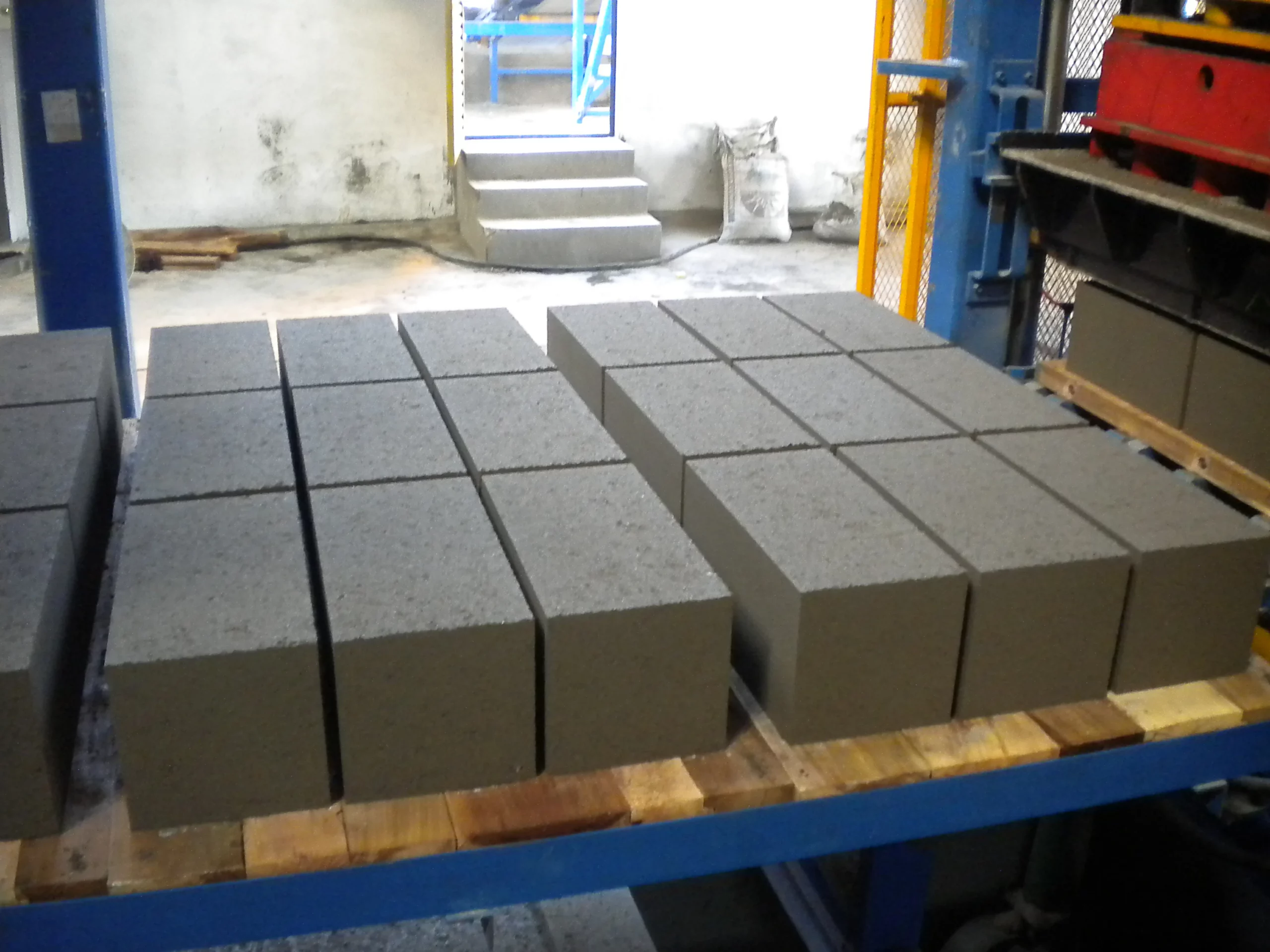
- Blok Beton Padat: Tulang punggung konstruksi, digunakan untuk pondasi dan dinding penahan beban. Mesin harus memberikan gaya pemadatan yang sangat besar untuk memastikan kepadatan dan kekuatan maksimum.
- Blok Berongga: Ini berisi satu atau lebih rongga besar. Mereka lebih ringan, lebih mudah untuk ditangani, dan menawarkan isolasi termal dan akustik yang lebih baik. Mesin blok berongga harus memastikan ketebalan dinding yang konsisten dan definisi inti yang tajam.
- Pavers yang saling mengunci: Hal ini memerlukan kualitas estetika yang tinggi, dimensi yang tepat agar pas, dan daya tahan permukaan yang luar biasa untuk menahan abrasi dan pelapukan. Mesin paver block menggunakan pola getaran khusus untuk mencapai kepadatan, lapisan atas halus.
- Batu tepi jalan dan Lembaran: Lebih besar, unit yang lebih berat digunakan untuk lansekap dan infrastruktur. Alat berat ini memerlukan rangka yang kokoh dan sistem pengumpanan yang kuat untuk menangani volume material yang lebih besar yang diperlukan untuk setiap siklus.
- Batu bata fly ash: Pilihan sadar lingkungan yang memanfaatkan limbah industri. Proses pembuatan batu bata fly ash memerlukan proporsi campuran dan metode pengawetan yang berbeda, yang dapat diakomodasi oleh mesin serbaguna. Menjelajahi solusi bangunan berkelanjutan dapat membuka pasar baru dan insentif pemerintah.
Kemampuan untuk memproduksi seluruh spektrum dari satu lini produksi secara mendasar mengubah posisi pasar suatu bisnis, mengubahnya dari pemasok sederhana menjadi penyedia solusi bangunan yang komprehensif.
Membandingkan Sifat Material untuk Aplikasi Berbeda
Pilihan jenis blok ditentukan oleh tujuan penggunaannya. Memahami ilmu material di balik pilihan-pilihan ini adalah kunci bagi setiap produsen. Peran mesin ini adalah menciptakan produk yang memenuhi spesifikasi ini secara andal dan konsisten.
| Milik | Blok beton standar | Bata Abu Terbang | Blok Beton Berongga |
|---|---|---|---|
| Bahan Baku Utama | Semen, Pasir, Agregat (Kerikil) | Fly ash, Pasir/Debu Batu, Semen/Kapur | Semen, Pasir, Agregat (Kerikil) |
| Kekuatan Tekan | Tinggi (Khas 15-30 MPa) | Sedang hingga Tinggi (10-25 MPa) | Sedang (Lebih rendah karena kekosongan) |
| Kepadatan | Tinggi (kira-kira. 2200-2400 kg/m³) | Lebih rendah (kira-kira. 1700-1900 kg/m³) | Rendah (kira-kira. 1400-1800 kg/m³) |
| Isolasi Termal | Rendah | Bagus | Sangat bagus |
| Penyerapan Air | Sedang | Rendah | Sedang |
| Aplikasi Utama | Dinding penahan beban, yayasan | Dinding tanpa beban, pasangan bata pengisi | Dinding partisi, dinding luar yang tidak menahan beban |
| Dampak Lingkungan | Tinggi (karena produksi semen) | Rendah (memanfaatkan limbah industri) | Sedang |
Mesin pembuat blok yang unggul memberi operator kendali yang diperlukan untuk menyempurnakan produksi masing-masing jenis ini, menyesuaikan getaran, tekanan, dan waktu siklus untuk mengoptimalkan karakteristik material tertentu.
Alasan 4: Jaminan Kontrol Kualitas yang Kuat dan Standar Global
Investasi pada mesin industri adalah investasi pada keandalan. Mesin yang sering mengalami kerusakan, menghasilkan produk yang tidak konsisten, atau gagal sebelum waktunya bukan merupakan aset melainkan liabilitas. Untuk alasan ini, pemeriksaan proses kendali mutu dan kepatuhan terhadap standar yang diakui bukan hanya sekedar masalah teknis; ini adalah bagian mendasar dari proses uji tuntas. Narasi manufaktur Tiongkok telah bergeser secara signifikan ke arah fokus pada kualitas, dengan perusahaan-perusahaan terkemuka yang menerapkan sistem yang ketat untuk memastikan produk mereka memenuhi harapan pelanggan global yang menuntut. Menempatkan kepercayaan pada produsen memerlukan pemahaman tentang komitmen mereka terhadap keunggulan, komitmen yang harus terlihat dalam materi mereka, proses mereka, dan sertifikasi mereka.
Dari Bahan Baku hingga Perakitan Akhir
Kualitas tidak dapat diperiksa pada suatu produk pada akhirnya; itu harus dibangun sejak awal. Untuk mesin pembuat blok, prinsip ini dimulai dengan pemilihan bahan baku. Pabrikan yang memiliki reputasi baik akan menggunakan kekuatan tinggi, baja bersertifikat (seperti Q235 atau baja mangan) untuk rangka utama alat berat guna memastikannya mampu menahan benturan yang sangat besar, tekanan hidrolik dan getaran berulang selama bertahun-tahun tanpa kelelahan atau deformasi.
Pemeriksaan berlanjut dengan komponen-komponen utama. Sistem hidrolik, motor, bantalan, dan pengontrol PLC sering kali bersumber dari merek yang dihormati secara internasional atau dari pemasok domestik papan atas yang telah menjalani audit kualitas yang ketat. Selama proses pembuatan, langkah penting seperti pengelasan dilakukan oleh teknisi bersertifikat, sering menggunakan tukang las robot untuk konsistensi sempurna. Setelah fabrikasi, permukaan kunci dikerjakan secara presisi untuk memastikan kesejajaran sempurna antara cetakan dan kepala tamper, detail yang penting untuk menghasilkan balok yang akurat secara dimensi. Akhirnya, seluruh mesin menjalani protokol pengujian komprehensif sebelum dibongkar untuk pengiriman. Ini melibatkan pengoperasian tanpa beban untuk memeriksa semua fungsi mekanis dan kelistrikan, diikuti dengan proses pemuatan di mana mesin benar-benar menghasilkan blok untuk memverifikasi kinerjanya dalam kondisi dunia nyata. Ini sangat teliti, pendekatan multi-tahap adalah landasan keandalan.
Memahami Sertifikasi: CE dan ISO
Dalam dunia perdagangan internasional, tujuan, sertifikasi pihak ketiga berfungsi sebagai bahasa universal mengenai kualitas dan keamanan. Untuk mesin, dua yang paling signifikan adalah tanda CE dan ISO 9001 sertifikasi.
-
Penandaan CE: Itu “Kesesuaian Eropa” tanda menunjukkan bahwa suatu produk memenuhi standar keamanan yang tinggi, kesehatan, dan standar perlindungan lingkungan Wilayah Ekonomi Eropa (EEA). Untuk mesin pembuat blok, ini berarti peralatan telah dirancang untuk meminimalkan bahaya listrik, termasuk pelindung keselamatan yang diperlukan untuk melindungi operator dari bagian yang bergerak, dan disertai dengan dokumentasi teknis yang komprehensif. Meskipun itu adalah standar Eropa, tanda CE diakui secara global sebagai indikator kuat komitmen produsen terhadap praktik terbaik keselamatan dan teknik.
-
ISO 9001: Ini adalah standar global untuk Sistem Manajemen Mutu (SMM). Sebuah perusahaan yang ISO 9001 bersertifikat telah menunjukkan bahwa ia memiliki sistematika, pendekatan kualitas yang didorong oleh proses. Hal ini mencakup segala hal mulai dari cara perusahaan menangani pesanan pelanggan dan merancang produk hingga cara perusahaan memilih pemasok dan mengelola lantai produksinya. Ini merupakan jaminan bahwa pabrikan memiliki ketahanan yang kuat, sistem yang dapat diulang untuk menghasilkan produk berkualitas secara konsisten. Saat mengevaluasi pemasok potensial untuk a mesin pembuat balok beton, meminta CE dan ISO mereka 9001 sertifikat adalah langkah penting.
Pentingnya Pemasok Terkemuka
Mesin itu sendiri hanyalah bagian dari persamaan. Pabrikan di baliknya juga sama pentingnya. Pemasok yang memiliki reputasi baik adalah mitra jangka panjang, bukan hanya vendor satu kali. Pemasok seperti itu, seperti satu dengan a warisan keunggulan teknik, akan memiliki rekam jejak keberhasilan instalasi di berbagai negara, termasuk pasar yang menuntut seperti Amerika Serikat, Kanada, dan Korea Selatan. Mereka akan transparan mengenai prosesnya, bersedia memberikan spesifikasi teknis rinci, dan mampu menawarkan referensi dari klien sebelumnya.
Pemasok yang memiliki reputasi baik memahami bahwa kesuksesan mereka terkait dengan kesuksesan Anda. Mereka berinvestasi dalam reputasi mereka dengan berinvestasi pada kualitas produk dan kepuasan pelanggan mereka. Mereka memberikan komunikasi yang jelas, jadwal pengiriman yang realistis, dan mendukung produk mereka dengan garansi yang kuat. Memilih mitra seperti itu mengubah pembelian dari transaksi sederhana menjadi aliansi strategis yang bertujuan membangun kemampuan produksi bisnis Anda.
Alasan 5: Rantai Pasokan yang Efisien dan Sistem Pendukung yang Komprehensif
Kehidupan operasional mesin pembuat blok dimulai saat mesin tersebut dikirimkan. Nilai jangka panjangnya sangat dipengaruhi oleh struktur pendukung yang menyertainya. Mesin yang berteknologi maju dan dibuat dengan baik dapat menjadi tidak efektif tanpa pemasangan yang tepat, pelatihan, dan sumber terpercaya untuk suku cadang dan bantuan teknis. Pabrikan Tiongkok yang berpikiran maju telah menyadari bahwa menyediakan produk unggulan hanyalah setengah dari perjuangan. Mereka telah banyak berinvestasi dalam menciptakan sistem pendukung yang komprehensif dan memanfaatkan keahlian logistik mereka untuk memastikan pelanggan dapat memaksimalkan produktivitas dan umur investasi mereka., terlepas dari di mana mereka berada di dunia.
Layanan purna jual: Instalasi, Pelatihan, dan Dukungan Teknis
Perjalanan dengan mesin baru tidak boleh dilakukan sendirian. Pabrikan terkemuka menawarkan serangkaian layanan purna jual yang dirancang untuk memastikan kelancaran transisi dan keunggulan operasional yang berkelanjutan.
-
Instalasi dan commissioning: Banyak pemasok menawarkan opsi untuk mengirimkan teknisi berpengalaman mereka ke lokasi pelanggan. Teknisi ini mengawasi perakitan jalur produksi, pastikan semua sambungan listrik dan hidrolik sudah benar, dan komisikan mesin, yang melibatkan uji coba awal untuk mengkalibrasi kinerjanya untuk bahan baku lokal. Pengawasan profesional ini menghilangkan dugaan dan memastikan alat berat disiapkan untuk kinerja optimal sejak hari pertama.
-
Pelatihan Operator: Sebuah mesin hanya akan sebaik orang yang mengoperasikannya. Teknisi pabrikan akan memberikan pelatihan langsung untuk staf lokal. Ini mencakup pengoperasian mesin sehari-hari melalui HMI-nya, prosedur penggantian cetakan, tugas perawatan rutin seperti pelumasan dan inspeksi, dan pemecahan masalah dasar. Transfer pengetahuan ini memberdayakan tim pelanggan untuk mengoperasikan mesin dengan percaya diri dan efisien.
-
Dukungan Teknis Jarak Jauh: Di era digital, bantuan seringkali hanya berupa panggilan telepon atau konferensi video. Produsen memberikan dukungan teknis berkelanjutan untuk membantu mendiagnosis dan menyelesaikan masalah dari jarak jauh. Dengan sistem PLC modern, teknisi terkadang bahkan dapat mengakses diagnostik mesin secara online untuk mengidentifikasi masalah dengan cepat, meminimalkan waktu henti.
Pendekatan tiga cabang ini—instalasi profesional, pelatihan komprehensif, dan dukungan yang dapat diakses—membentuk jaring pengaman yang melindungi investasi pelanggan.
Jangkauan Global Logistik Suku Cadang
Setiap mesin, Tidak peduli seberapa baik dibangun, memiliki bagian yang akan aus seiring waktu. Cetakan, sabuk pengangkut, segel hidrolik, dan komponen listrik tertentu memiliki umur yang terbatas. Kemampuan untuk mendapatkan suku cadang pengganti dengan cepat dan terjangkau sangatlah penting untuk menjaga jalur produksi tetap berjalan. Penutupan yang berkepanjangan sambil menunggu bagian penting dapat berdampak buruk secara finansial.
Menyadari hal ini, pemasok Tiongkok yang mapan telah mengembangkan logistik global yang canggih untuk suku cadang. Mereka memelihara inventaris rinci semua komponen untuk mesin yang mereka jual. Karena mereka memproduksi dalam skala besar, biaya suku cadang ini seringkali jauh lebih rendah dibandingkan mesin serupa di Eropa atau Amerika Utara. Mereka telah menyederhanakan proses ekspor mereka untuk mengirimkan suku cadang melalui angkutan udara ke mana saja di dunia, sering kali dalam hitungan hari. Sebelum membeli mesin pembuat blok, pembeli yang serius harus menanyakan tentang kebijakan suku cadang pabrikan, tersedianya, dan waktu pengiriman tipikal ke wilayah mereka. Rantai pasokan suku cadang yang andal merupakan komponen yang tidak dapat dinegosiasikan dalam keberhasilan operasi jangka panjang.
Membangun Kemitraan Jangka Panjang
Akhirnya, keputusan untuk membeli mesin pembuat batu bata China harus dilihat sebagai awal dari sebuah hubungan. Peran produsen tidak hanya sekedar titik penjualan. Ketertarikan mereka terletak pada melihat bisnis Anda sukses, karena kesuksesan Anda menjadi studi kasus dan bukti kualitas peralatan mereka. Perspektif kemitraan ini merupakan ciri khas perusahaan terbaik di industri. Mereka responsif terhadap umpan balik, memberikan saran yang berkelanjutan, dan bahkan mungkin memberi tahu Anda tentang peningkatan atau desain cetakan baru yang dapat bermanfaat bagi operasi Anda. Dengan memilih pabrikan yang berkomitmen pada kemitraan jangka panjang semacam ini, Anda tidak hanya membeli sepotong baja; Anda mendapatkan sekutu dalam industri bahan konstruksi global.
Pertanyaan yang Sering Diajukan (Pertanyaan Umum)
Apa perbedaan utama antara mesin balok beton dan mesin batu bata fly ash? Perbedaan utamanya terletak pada bahan baku dan proses pengawetannya. Mesin pembuat balok beton biasanya menggunakan semen, pasir, dan kerikil, dan blok tersebut sembuh secara alami seiring waktu. A Mesin pembuat batu bata fly ash Cina menggunakan abu terbang (merupakan produk sampingan dari pembangkit listrik tenaga batu bara), pasir atau debu batu, dan bahan pengikat seperti semen atau kapur. Batu bata ini sering kali memerlukan proses pengeringan uap dalam autoklaf untuk mencapai kekuatan akhirnya, menghasilkan korek api, lebih banyak produk isolasi.
Berapa banyak ruang yang saya perlukan untuk memasang jalur produksi mesin blok otomatis? Lini produksi yang lengkap memerlukan ruang yang signifikan. Anda harus memperhitungkan mesin utama, pencampur, silo semen, sistem batching agregat, konveyor blok, dan area penyembuhan. Tata letak tipikal untuk lini mesin blok otomatis skala menengah hingga besar mungkin memerlukan area bengkel sebesar 600-1500 meter persegi, ditambah halaman luar ruangan yang luas untuk penyimpanan bahan mentah serta pengawetan dan penyimpanan produk akhir.
Dapatkah satu mesin menghasilkan balok berongga dan pavers? Ya, sangat. Fleksibilitas untuk memproduksi berbagai jenis balok merupakan fitur utama. Dengan membeli dan memasang set cetakan yang berbeda, mesin dasar tunggal dapat berfungsi sebagai mesin balok berongga, mesin blok padat, atau mesin blok paver. Proses pergantian biasanya memakan waktu beberapa jam.
Berapa umur rata-rata mesin pembuat batu bata China? Dengan perawatan yang tepat dan penggunaan komponen berkualitas tinggi, mesin pembuat batu bata China yang dibuat dengan baik dapat memiliki masa operasional yang sangat lama. Rangka dan struktur utama dirancang untuk bertahan selama beberapa dekade. Komponen penting seperti sistem hidrolik dan motor dapat bertahan selama bertahun-tahun, sementara komponen yang dapat dipakai seperti cetakan dan ban berjalan perlu diganti secara berkala. Umur 15-20 tahun atau lebih adalah ekspektasi yang masuk akal untuk mesin yang dirawat dengan baik.
Apakah opsi pembiayaan tersedia untuk pembelian mesin ini?? Sedangkan produsen sendiri biasanya tidak menawarkan pembiayaan langsung, mereka dapat memberikan semua dokumentasi yang diperlukan bagi Anda untuk mendapatkan pembiayaan dari bank lokal atau lembaga pembiayaan perdagangan internasional. Ini termasuk faktur proforma, spesifikasi teknis rinci, dan kredensial perusahaan. Beberapa perjanjian perdagangan internasional atau bank ekspor-impor mungkin juga menawarkan program untuk memfasilitasi pembelian tersebut.
Apa bahan baku utama yang dibutuhkan untuk membuat balok beton? Bahan dasarnya cukup sederhana. Bahan pengikat utama adalah semen Portland, yang bereaksi dengan air untuk mengeraskan dan mengikat bahan lain menjadi satu. Komponen struktural utama adalah agregat, yaitu campuran pasir dan batu pecah kecil atau kerikil. Air adalah bahan ketiga, diperlukan untuk mengaktifkan semen. Rasio yang tepat dari komponen-komponen ini akan bervariasi tergantung pada kekuatan yang diinginkan dan jenis balok yang diproduksi.
Bagaimana cara memilih produsen yang dapat diandalkan? Memilih produsen yang andal melibatkan beberapa langkah. Carilah perusahaan dengan sejarah panjang dan kehadiran internasional yang kuat. Verifikasi ISO mereka 9001 dan sertifikasi CE. Mintalah referensi dari pelanggan di wilayah Anda. Evaluasi komunikasi dan dukungan teknis mereka. Pabrikan yang memiliki reputasi baik akan bersikap transparan, berpengetahuan luas, dan fokus membangun hubungan jangka panjang (reitmachine.com).
Kesimpulan
Keputusan untuk berinvestasi pada lini produksi blok baru merupakan momen yang menentukan bagi setiap bisnis bahan konstruksi. Ini merupakan pilihan yang akan membentuk kapasitas produksi perusahaan, kualitas produk, dan kesehatan keuangan untuk tahun-tahun mendatang. Analisis menyeluruh dan tidak memihak terhadap pasar global 2025 mengungkapkan kasus yang menarik dan logis untuk mesin pembuat batu bata Tiongkok. Kasus ini tidak dibangun berdasarkan satu pilar harga, namun berdasarkan landasan terpadu dari lima kekuatan utama: total biaya kepemilikan yang unggul, integrasi teknologi maju, fleksibilitas produksi yang luar biasa melalui cetakan yang dapat disesuaikan, komitmen yang ketat terhadap kontrol kualitas dan standar global, dan keamanan sistem pendukung yang komprehensif.
Mengabaikan opsi ini berdasarkan persepsi yang sudah ketinggalan zaman berarti mengabaikan perubahan besar dalam industri manufaktur global. Mesin pembuat batu bata China modern memang canggih, dapat diandalkan, dan peralatan yang sangat produktif, lahir dari ekosistem persaingan dan inovasi yang ketat. Untuk perusahaan di Amerika Serikat, Kanada, Rusia, Korea Selatan, dan seterusnya, hal ini merupakan peluang untuk memperoleh teknologi produksi kelas dunia dengan cara yang rasional secara ekonomi dan masuk akal secara strategis. Dengan melibatkan pemasok yang memiliki reputasi baik, sebuah bisnis bukan sekedar membeli mesin; mereka berinvestasi pada mesin pertumbuhan yang kuat dan menjalin kemitraan demi kesuksesan jangka panjang.