Slimme fabrikaazje yn bakstienproduksje is net langer in eksperiminteel konsept beheind ta avansearre ekonomyen. It is in praktyske en strategyske oanpak wurden foar bakstien- en blokfabrikanten dy't hegere effisjinsje sykje, konsekwinte kwaliteit, en lange-termyn operasjonele stabiliteit. Foar yndustriële beslútmakkers, smart manufacturing biedt mjitbere foardielen troch kombinearjen automatisearring, digitale kontrôle, en data-oandreaune optimalisaasje oer it hiele produksjeproses. Bedriuwen dy't dizze technologyen oannimme binne better ynrjochte om te reagearjen op tanimmende arbeidskosten, strangere bou noarmen, en groeiende fraach nei unifoarm, hege folume boumaterialen.
Dit artikel ferklearret hoe't tûke fabrikaazje bakstienproduksje transformeart, hokker technologyen it meast wichtich binne foar yndustriële keapers, en hoe't apparatuer karren direkt ynfloed op produktiviteit, scalability, en werom op ynvestearring.
Wat betsjuttet smart manufacturing yn bakstienproduksje wirklik?
Slimme fabrikaazje yn bakstienproduksje ferwiist nei de yntegraasje fan automatisearre masines, yntelliginte kontrôle systemen, yndustriële sensoren, en analyze fan produksjegegevens yn in unifoarme produksjeomjouwing. Oars as tradisjonele planten dy't fertrouwe op hânmjittich oanpassings en isolearre masines, smart fabriken operearje fia ferbûn systemen dy't kontinu tafersjoch op en optimalisearje prestaasjes.
Yn in konvinsjonele bakstien plant, kwaliteit kontrôle is faak reaktyf. Produkten wurde hifke nei produksje, en oanpassings wurde makke letter. Yn in smart manufacturing systeem, kwaliteit wurdt kontrolearre yn real time. Fariabelen lykas materiaal proporsjonearring, trilling frekwinsje, compaction druk, en curing betingsten wurde konstant mjitten en oanpast tidens produksje.
Foar fabrikanten, dizze oanpak ferminderet fariabiliteit, minimalisearret ôffal, en ferbetteret konsistinsje oer batches, nettsjinsteande operator ûnderfining of shift feroarings.
Fan meganisaasje oant yntelliginte produksje
Meganisaasje rjochte op it ferfangen fan hânwurk mei masines. Smart manufacturing foeget yntelliginsje ta oan dy masines. Programmierbere logyske controllers, minske-masine ynterfaces, en sensors tastean apparatuer te reagearjen dynamysk oan materiaal gedrach en wurking betingsten. Dizze mooglikheid is benammen weardefol yn bakstienproduksje, dêr't grûnstoffen kinne ferskille signifikant yn focht ynhâld en gearstalling.
Hoe automatisearring ferbettert effisjinsje en útfierstabiliteit
Effisjinsjewinsten binne faaks it earste sichtbere resultaat fan tûke fabrikaazje yn bakstienproduksje. Automatisearre systemen eliminearje inkonsistinsjes feroarsake troch manuele yntervinsje en tastean produksjelinen te operearjen mei optimalisearre snelheden foar langere perioaden.
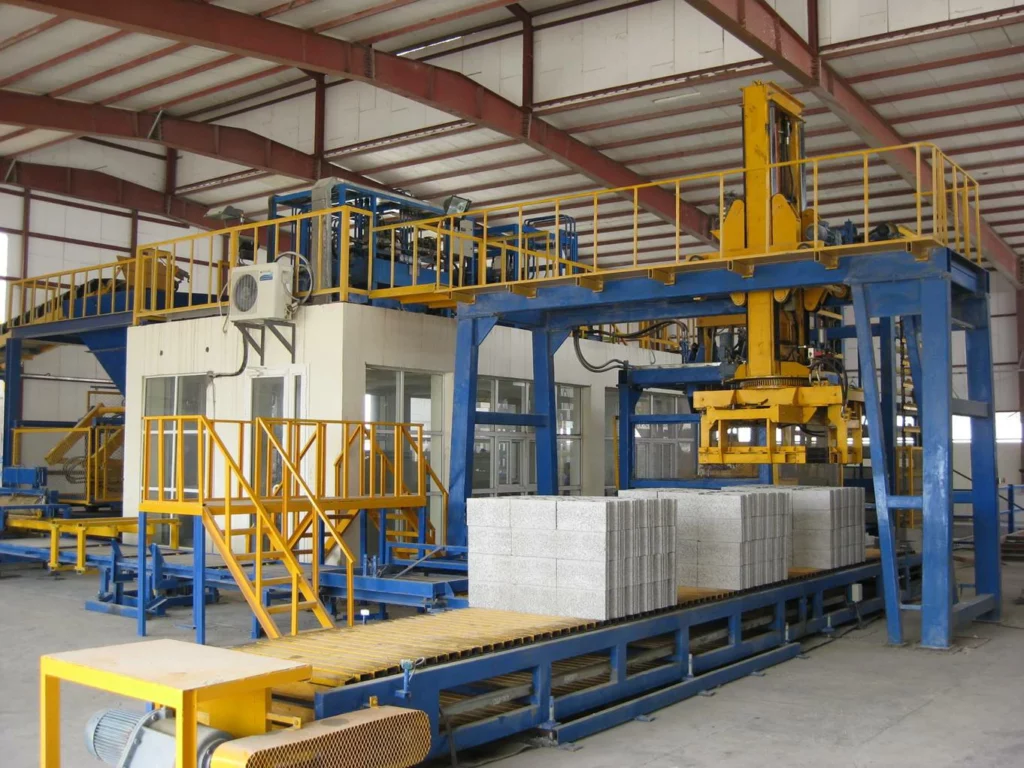
In moderne produksje line boud om in yntegrearre blok masine makket sekuere syngronisaasje tusken feeding mooglik, foarmje, demolding, en materiaal ôfhanneling prosessen. Elke etappe kommunisearret mei de folgjende, ferminderjen fan fytstiidfluktuaasjes en it foarkommen fan knyppunten dy't gewoanlik foarkomme yn semy-automatyske operaasjes.
Automatisearring ferbetteret ek stabiliteit oer ferskowings. Digitale produksjeresepten en parameterynstellingen soargje derfoar dat de útfier konsekwint bliuwt, nettsjinsteande personielsferoarings, ferminderjen fan ôfhinklikens fan tige betûfte operators.
Foarsizzend ûnderhâld en fermindere downtime
Slimme produksjesystemen kontrolearje kontinu de tastân fan apparatuer. Gegevens lykas trilling, hydraulyske druk, en motor load kin oanjaan wear lang foar mislearring optreedt. Foarsizzend ûnderhâld kinne tsjinstaktiviteiten wurde pland tidens plande downtime, ferminderjen fan ûnferwachte stoppings en ferlinging fan apparatuer lifespan.
Foar bakstienplanten mei hege kapasiteit, dizze betrouberens stipet direkt leveringsskema's en klantfertrouwen.
Kwaliteitskonsistinsje en neilibjen fan noarmen
Konsistinsje is kritysk yn kommersjele bakstien en blok oanbod. Slimme fabrikaazje yn bakstienproduksje lit fabrikanten strakke tolerânsjes yn dimensjes behâlde, tichtens, en compressive sterkte.
Automatisearre batchsystemen soargje foar krekte materiaalferhâldingen, wylst sletten-loop kontrôle behâldt stabile kompaktering en trilling parameters. Intelligente curingsystemen regelje temperatuer en fochtigens om unifoarme krêftûntwikkeling te garandearjen oer alle produkten.
Dizze mooglikheden ferienfâldigje it neilibjen fan nasjonale en ynternasjonale bounoarmen. Foar fabrikanten dy't ynfrastruktuer leverje as eksportmerken, smart manufacturing makket ek digitale traceability mooglik, it effisjinter meitsjen fan audits en sertifikaten.
Enerzjy-effisjinsje en duorsumens yn bakstienplanten
Enerzjyferbrûk is in wichtige kostenfaktor yn bakstienproduksje. Smart manufacturing ferbetteret direkt enerzjy-effisjinsje troch it optimalisearjen fan de wurking fan motoren, hydraulyk, en curing systemen.
Driven mei fariabele frekwinsje oanpasse motorsnelheden neffens real-time load easken, it ferminderjen fan ûnnedige enerzjyferbrûk. Automatisearre hurdesystemen regelje waarmte en focht dynamysk, it foarkommen fan over-curing en oermjittich enerzjyferlies.
Foar fabrikanten dy't te krijen hawwe mei tanimmende enerzjyprizen as miljeuregeljouwing, dizze ferbetteringen ferminderje de bedriuwskosten, wylst se duorsumensdoelen stypje.
Waste Reduction en Resource Optimization
Real-time tafersjoch lit direkte korreksje fan ôfwikingen yn materiaalstream of skimmelfolling. Scrap tariven ferminderje, rework wurdt minimalisearre, en grûnstoffen wurde effisjinter brûkt. Oer de tiid, dizze besparring draacht signifikant by oan ferbettere winstmarges.
Kearntechnologyen efter tûke produksje yn bakstienproduksje
Smart manufacturing wurdt ynskeakele troch de yntegraasje fan meardere technologyen ynstee fan in inkele upgrade.
| Technology | Rol yn Brick Production | Operational Wearde |
|---|---|---|
| PLC & HMI Systems | Sintraal kontrôle en fisualisaasje | Snellere besluten, minder flaters |
| Yndustriële sensoren | Monitor druk, focht, temperatuer | Stabile produkt kwaliteit |
| Servo & Hydraulic Control | Sekuere kompaktering en beweging | Hegere sterkte en konsistinsje |
| Data Analytics | Prestaasje tracking en optimalisaasje | Trochrinnende ferbettering |
| Automatisearre ôfhanneling | Stapeljen en palletearjen | Arbeid besparring en feiligens |
Wannear't goed yntegrearre, dizze technologyen transformearje bakstienplanten yn data-oandreaune produksjesystemen ynstee fan operator-ôfhinklike workshops.
Smart Manufacturing en Scalable produksje útwreiding
Skalberens is in krityske oerweging foar fabrikanten dy't takomstige groei plannen. Slimme fabrikaazje yn bakstienproduksje lit planten de útfier ferheegje sûnder proporsjonele ferheging fan arbeid as operasjonele kompleksiteit.
Modulêr systeemûntwerp makket it mooglik om ekstra produksjelinen of stasjons te yntegrearjen yn besteande opmaak. Software-basearre kontrôlesystemen kinne nije apparatuer effisjint syngronisearje mei aktuele aktiva.
By it evaluearjen fan útwreidingsopsjes, in protte fabrikanten prioritearje in selektearje in kompatibel blok making machine dat stipet automatisearring, data ferbining, en kapasiteitsgroei op lange termyn sûnder dat folsleine systeemferfanging nedich is.
Tidens modernisearring planning, wurkje mei betûfte apparatuerleveransiers helpt automatisearringsnivo's yn oerienstimming mei produksjedoelen en ynvestearringstiidlinen. As jo fan plan binne in tûke produksjeupgrade, kinne jo beprate jo easken direkt fia Nim kontakt op mei Reit.
Workforce Transformaasje yn Smart Brick Manufacturing
Slimme fabrikaazje feroaret hoe't minsken wurkje yn bakstienplanten. Operators feroarje fan hânlieding nei systeemtafersjoch. Underhâldsteams rjochtsje har mear op diagnostyk en previntive taken, wylst managers fertrouwe op real-time dashboards ynstee fan papier rapporten.
Dizze transformaasje ferbetteret feiligens op wurkplak troch it ferminderjen fan manuele ôfhanneling en bleatstelling oan gefaarlike omstannichheden. It ferleget ek ôfhinklikens fan knappe kwalifisearre arbeid, ferbetterjen fan operasjonele fearkrêft.
Kies de juste apparatuerstrategy
Technology allinnich garandearret gjin súkses. De effektiviteit fan tûke fabrikaazje yn bakstienproduksje hinget ôf fan apparatuerûntwerp, systeem yntegraasje kapasiteit, en lange-termyn technyske stipe.
Foar planten dy't fan doel binne folsleine digitale yntegraasje te berikken, in avansearre automatyske blok making machine jout sintralisearre tafersjoch, yntelliginte parameter kontrôle, en stabile prestaasjes mei hege útfier oer meardere produktspesifikaasjes.
Beslissers moatte leveransiers evaluearje op basis fan systeembetrouberens, test mooglikheden, ferwizing projekten, en tsjinst nei ferkeap ynstee fan allinich te rjochtsjen op nominale útfiersifers.
FAQ: Smart Manufacturing yn Brick Production
Wat is tûke fabrikaazje yn bakstienproduksje?
It is it brûken fan automatisearring, sensors, en digitale kontrôle systemen te optimalisearjen effisjinsje, kwaliteit, en foarsisberens yn bakstien en blok manufacturing.
Is tûke fabrikaazje geskikt foar middelgrutte fabriken?
Ja. Modulêre automatisearring lit fabrikanten tûke funksjes stadichoan oannimme op basis fan budzjet- en groeiplannen.
Hoe hat smart manufacturing ynfloed op produktkwaliteit?
It stabilisearret wichtige produksjefariabelen, resultearret yn konsekwinte sterkte, Ofmjittings, en oerflak finish.
Wat is de typyske ROI-tiidframe?
In protte fabrikanten berikke binnen ien oant trije jier rendemint troch enerzjybesparring, redusearre ôffal, en legere ûnderhâldskosten.
Ferleget automatisearring arbeid behoeften?
It ferminderet hânwurk, wylst de fraach nei betûfte technici en systeemoperators tanimme.
Oer Reit
Reit is in profesjonele fabrikant fan bakstien- en blokproduksjeapparatuer, providing yntelligint, betrouber, en scalable oplossings foar globale bou merken. Mei in sterke fokus op tûke fabrikaazje yn bakstienproduksje, Reit ûntwerpt systemen dy't automatisearring yntegrearje, Precision Engineering, en duorsumens op lange termyn om duorsume yndustriële groei te stypjen.
Ferwizings
- Wikipedia - Yndustry 4.0
https://en.wikipedia.org/wiki/Industry_4.0 - World Economic Forum - Advanced Manufacturing
- Ynternasjonaal Energy Agency - Enerzjy-effisjinsje yn 'e yndustry