Abstrait
La sélection d'équipements de fabrication de briques et de blocs en 2025 représente une décision d’investissement en capital importante, influencé par les progrès technologiques, efficacité opérationnelle, et un retour sur investissement à long terme. Cette analyse examine le paysage de la production moderne de blocs, comparer les principaux fabricants sur la base d'une matrice de critères d'évaluation. Il explore les mécanismes fondamentaux de la pression hydraulique et du compactage vibratoire., le rôle d'un contrôleur logique programmable sophistiqué (API) systèmes pour parvenir à une automatisation complète, et les implications économiques de la capacité de production par rapport au temps de cycle. En comparant des marques de renom telles que Reit Machine, Groupe Aimix, Machines HAWEN, Machines Osino, et machines à blocs américaines, ce document fournit un cadre détaillé aux acheteurs potentiels. L'évaluation s'étend au-delà des spécifications de la machine pour prendre en compte les équipements auxiliaires, logistique du chantier, et les tendances émergentes comme la technologie des servo-vibrations et l'utilisation de matériaux durables. L'objectif est de doter les parties prenantes des secteurs de la construction et de la fabrication des connaissances complètes nécessaires pour sélectionner une marque leader d'équipement de fabrication de briques qui correspond à leurs objectifs de production spécifiques et aux demandes du marché..
Principaux à retenir
- Évaluer les machines en fonction de la qualité de l'acier et du traitement thermique pour une durabilité à long terme.
- Donnez la priorité aux machines dotées de systèmes PLC avancés pour une qualité constante et des coûts de main-d'œuvre réduits..
- Analyze production capacity against cycle time to ensure the machine meets your business's scalability needs.
- La sélection d'une marque leader d'équipement de fabrication de briques implique d'évaluer son service après-vente et la disponibilité des pièces..
- Considérez la polyvalence des moules interchangeables pour diversifier votre offre de produits à partir d'une seule machine.
- Un système hydraulique puissant combiné à des vibrations à haute fréquence est fondamental pour produire des blocs à haute densité.
Table des matières
- Les principes fondamentaux de la fabrication moderne de briques
- Critères d'évaluation d'une marque leader d'équipement de fabrication de briques
- Une analyse comparative de 5 Marques de premier plan en 2025
- L'économie de la production de briques: ROI et coûts opérationnels
- Configuration de votre ligne de production: Au-delà de la machine elle-même
- Tendances futures dans la fabrication de blocs et de briques
- Foire aux questions (FAQ)
- Conclusion
- Références
Les principes fondamentaux de la fabrication moderne de briques
Se lancer dans l’aventure de la production de matériaux de construction nécessite une profonde appréciation de la science qui sous-tend le processus.. La transformation de matières premières simples en matières durables, les blocs à haute résistance ne sont pas une question de hasard mais d'ingénierie précise. Pour bien comprendre ce qui différencie un équipement d’un autre, nous devons d'abord comprendre les principes fondamentaux qui régissent la production moderne de blocs.
De l'argile au béton: Une perspective évolutive
Depuis des millénaires, le mot "brique" images évoquées d'argile, eau, et le feu. Les briques traditionnelles en terre cuite ont bâti des empires et abrité des générations. Cependant, le paysage de la construction du 21e siècle a été témoin d'un profond changement vers des unités à base de béton. Pourquoi cette évolution s'est-elle produite? Les raisons sont ancrées à la fois dans la gestion environnementale et dans la performance structurelle.. La cuisson des briques en terre cuite est un processus énergivore, libérant souvent des quantités importantes de dioxyde de carbone. En revanche, les blocs de béton durcissent à température ambiante grâce à un processus chimique appelé hydratation, éliminant le besoin de fours massifs et la consommation de carburant associée (Jaishankar et coll., 2021).
Du point de vue des performances, une machine de fabrication de blocs de béton offre une cohérence et une polyvalence inégalées. La composition du béton peut être contrôlée avec précision pour obtenir des résistances à la compression spécifiques, densités, et propriétés thermiques. Cela permet la création d'une vaste gamme de produits, des blocs isolants légers aux blocs denses, pavés robustes, le tout à partir d'une seule ligne de production. Cette adaptabilité est une pierre angulaire de la construction moderne, où les exigences du projet peuvent varier considérablement.
La mécanique de base: Vibrations et pression hydraulique
Au cœur de chaque machine moderne de fabrication de blocs de béton se trouvent deux forces symbiotiques: vibrations et pression hydraulique. Comprendre leur interaction est fondamental pour apprécier la qualité des machines.
Pensez à remplir un pot d'un mélange de grosses pierres et de sable fin. Si vous versez simplement le sable dessus, de grands vides resteront entre les pierres. Cependant, si vous secouez ou faites vibrer doucement le pot, le sable s'installera dans tous les coins et recoins, créant un dense, mélange bien compacté. C'est précisément le rôle du système de vibration dans une machine à blocs. Vibrateurs haute fréquence, généralement monté sur la table de moulage, fluidifier le mélange de béton. Cet état temporaire de type fluide permet aux particules de granulats et de ciment de surmonter la friction interne et de se déposer dans leur disposition la plus compacte., éliminant les poches d'air et assurant un bloc homogène.
Une fois le matériau parfaitement consolidé, la deuxième force entre en jeu: pression hydraulique. Une puissante presse hydraulique descend, compacter le matériau densifié avec une force immense. Il ne s'agit pas d'un impact de force brute; c'est un contrôle, pression puissante. Cette action expulse l’air restant et l’excès d’eau, forcer les particules de ciment à entrer en contact intime avec les granulats. Le résultat est un "vert" (non guéri) bloc d’une densité et d’une précision dimensionnelle remarquables. La combinaison de vibrations intenses suivies d'une pression élevée confère au produit final sa résistance et sa durabilité supérieures.. A superior manufacturing process is reflected in the intelligence of the machine's control over these two forces.
Comprendre les matières premières clés
Le bloc final est un matériau composite, et sa qualité est inextricablement liée à la qualité et à la proportion de ses éléments constitutifs. Une marque leader d'équipements de fabrication de briques conçoit ses machines pour fonctionner parfaitement avec une gamme de matériaux standards et alternatifs..
- Ciment: C'est le classeur, la colle qui maintient tout ensemble. Le ciment Portland est le type le plus courant. Lorsqu'il est mélangé avec de l'eau, il subit une hydratation, formant une matrice cristalline qui lie les agrégats.
- Agrégats (Sable et gravier): Ces matériaux forment le squelette structurel du bloc. Le sable remplit les petits vides, tandis que les granulats plus gros comme la pierre concassée ou le gravier fournissent le volume et la résistance à la compression.. La taille, forme, et la propreté des agrégats sont d'une importance primordiale.
- Eau: L'eau est le catalyseur de la réaction chimique d'hydratation. Le rapport eau/ciment est un équilibre délicat. Trop peu d’eau entraîne une réaction incomplète et un blocage faible. Trop d'eau conduit à un poreux, bloc à faible résistance. Les machines modernes travaillent souvent avec des" ou mélanges à faible affaissement, c'est pourquoi la vibration et la pression sont si vitales.
- Cendres volantes: Il s'agit d'un sous-produit des centrales électriques au charbon et d'un matériau cimentaire supplémentaire courant. (GDS). L'utilisation de cendres volantes peut améliorer la maniabilité du mélange de béton, améliorer la force à long terme, et augmenter sa résistance aux attaques chimiques. Il sert également un objectif écologique en détournant un déchet industriel en un matériau de construction précieux. (Ahmaruzzaman, 2010). Une machine à ciment polyvalente doit être capable de traiter efficacement les mélanges contenant de tels additifs.
Critères d'évaluation d'une marque leader d'équipement de fabrication de briques
Choisir une machine industrielle n’est pas comme acheter un appareil grand public. C'est un partenariat stratégique avec le constructeur. Your success is tied to the machine's performance, fiabilité, et la structure de support derrière elle. Par conséquent, un cadre d’évaluation rigoureux est nécessaire.
Précision de fabrication et qualité des matériaux
The immense forces of vibration and hydraulic pressure exert tremendous stress on the machine's frame and molds. Une machine construite avec des matériaux de qualité inférieure ou une fabrication de mauvaise qualité succombera rapidement à la fatigue du métal., conduisant à des pannes et à une qualité de produit incohérente.
Lors de l'examen d'un fournisseur potentiel, inquire about the type of steel used in the machine's frame. Haute résistance, l'acier robuste n'est pas négociable. Rechercher des preuves de techniques de soudage avancées, qui assurent l’intégrité structurelle des joints. En outre, les moules eux-mêmes sont des composants d'usure critiques. Ils doivent être fabriqués en acier hautement résistant à l'abrasion et subir un processus de traitement thermique., comme la cémentation ou la trempe. Ce traitement thermique durcit la surface du moule, augmentant considérablement sa durée de vie et garantissant que chaque bloc produit conserve sa précision dimensionnelle sur des centaines de milliers de cycles. A manufacturer's willingness to discuss these details openly is often a good indicator of their commitment to quality.
Intégration technologique: Le rôle de l'automate et de l'automatisation
Au 21ème siècle, le cerveau d'une machine à blocs entièrement automatique est son contrôleur logique programmable (API). Le PLC est un ordinateur industriel robuste qui orchestre chaque étape du cycle de production avec une précision de l'ordre de la microseconde.. Il contrôle le moment de l'alimentation du matériau, la durée et l'intensité des vibrations, l'application de la pression hydraulique, et l'éjection des blocs finis.
Les avantages d'un système API de haute qualité, souvent de marques mondialement reconnues comme Siemens ou Schneider Electric, sont multiples:
- Cohérence: Le PLC élimine la variabilité humaine, garantir que chaque bloc est produit dans des conditions identiques. Il en résulte une résistance uniforme, taille, et l'apparence tout au long du cycle de production.
- Efficacité: Il optimise le temps de cycle, maximizing the machine's output without sacrificing quality.
- Sécurité: L'automate gère les verrouillages de sécurité, empêcher la machine de fonctionner dans un état dangereux et protéger les opérateurs.
- Diagnostic: Les systèmes avancés disposent d'interfaces à écran tactile qui affichent des données opérationnelles en temps réel et fournissent un diagnostic de panne, réduisant considérablement les temps d'arrêt en aidant les techniciens à identifier et à résoudre rapidement les problèmes. Certains fabricants proposent même une assistance à distance, where their engineers can log into your machine's PLC to diagnose problems from afar.
Capacité de production et temps de cycle
These two metrics are the primary determinants of a machine's potential profitability.
- Temps d'un cycle: C'est le temps total nécessaire à la machine pour terminer un cycle complet de production d'un ensemble de blocs.. Il est généralement mesuré en secondes (Par exemple, 15-22 secondes).
- Capacité de production: C'est le nombre total de blocs que la machine peut produire sur une période donnée., Habituellement un changement de 8 heures. C'est fonction du temps de cycle et du nombre de blocs produits par cycle. (ce qui dépend du moule).
Un temps de cycle réduit et un nombre plus élevé de blocs par moule conduisent à une plus grande capacité globale. Lors de l'évaluation des fabricants, il est utile de créer un tableau pour comparer leurs capacités déclarées pour une taille de bloc standard, comme le commun 400x200x200mm (8-pouce) bloc creux.
| Fonctionnalité | Machine A (Niveau d'entrée) | Machine B (Milieu de gamme) | Machine C (Haut de gamme) |
|---|---|---|---|
| Type de bloc | 8" Bloc creux | 8" Bloc creux | 8" Bloc creux |
| Blocs par moule | 4 | 8 | 12 |
| Temps d'un cycle (secondes) | 20 | 18 | 15 |
| Cycles par heure | 180 | 200 | 240 |
| Blocs par heure | 720 | 1600 | 2880 |
| 8-Production horaire | 5,760 | 12,800 | 23,040 |
Ce tableau illustre clairement comment des différences apparemment minimes dans la durée du cycle et la taille du moule peuvent entraîner des variations spectaculaires de la production quotidienne.. Votre choix dépendra de la taille de votre marché cible et de vos projections de croissance..
Polyvalence: La puissance des moules interchangeables
Un avantage important de la production moderne de blocs est sa polyvalence. Une machine à une seule brique peut être une usine multi-produits. En changeant simplement le moule, la même machine qui produit des blocs creux standards pour murs peut être configurée pour fabriquer:
- Briques pleines pour applications à haute résistance.
- Pavés autobloquants pour allées et terrasses.
- Bordures pour bordures de routes et de paysages.
- Briques poreuses ou d'enherbement pour des solutions de drainage durables.
Cette capacité permet à une entreprise de s'adapter aux demandes changeantes du marché et de servir plusieurs segments du secteur de la construction.. Lors de l’évaluation d’une marque leader d’équipement de fabrication de briques, étudier la facilité et la rapidité des changements de moule. Un système bien conçu minimise les temps d'arrêt entre les exécutions du produit, maximizing the machine's utility. Aussi, se renseigner sur le coût et la disponibilité des différents types de moules.
Assistance après-vente et disponibilité des pièces
Une machine sans support fiable est un handicap. Cela est particulièrement vrai pour les entreprises implantées sur des marchés géographiquement diversifiés comme les États-Unis., Canada, Corée du Sud, et la Russie. Avant de vous engager dans un achat, vous devez avoir des réponses claires à ces questions:
- Le fabricant propose-t-il une installation sur site et une formation des opérateurs?
- Quelle est la période de garantie, et qu'est-ce que ça couvre?
- L'assistance technique est-elle disponible dans votre fuseau horaire et votre langue ??
- L'entreprise maintient-elle un stock de pièces de rechange critiques (Par exemple, joints hydrauliques, capteurs, moteurs) qui peut être expédié rapidement à votre emplacement?
Un fabricant réputé considère la vente comme le début d’une relation à long terme. Ils comprennent que leur succès est lié au vôtre. Recherchez des entreprises ayant fait leurs preuves en matière de soutien à leurs clients internationaux.
Une analyse comparative de 5 Marques de premier plan en 2025
Avec nos critères d’évaluation établis, nous pouvons maintenant tourner notre attention vers une sélection de fabricants notables dans le 2025 marché. Chacune de ces marques apporte une philosophie distincte et un ensemble de points forts.. L'analyse suivante est basée sur leurs informations accessibles au public et leur positionnement au sein de l'industrie..
Machine à reit: La synthèse de la durabilité et de l’innovation
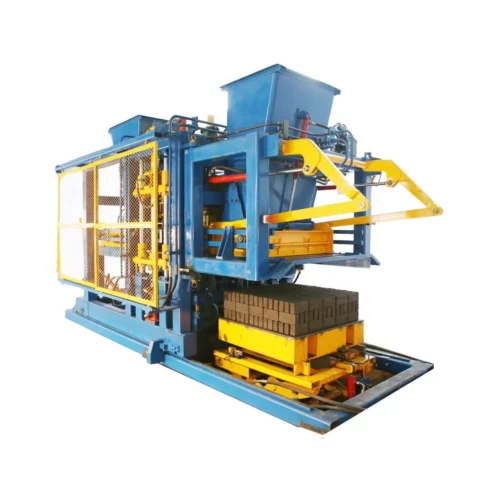
Reit Machine se positionne comme un fournisseur qui met l'accent sur une construction robuste et une utilisation complète des ressources.. Leur gamme de produits, y compris la série RTQT, semble avoir été construit dans un souci de longévité. Une caractéristique clé qu'ils soulignent est l'utilisation d'une conception robuste et d'un acier à haute résistance., couplé à un traitement thermique avancé pour la machine et les moules. Cela répond directement à notre critère de précision de fabrication et de qualité des matériaux., suggérant de se concentrer sur la réduction de l’usure à long terme.
Technologiquement, Les machines Reit intègrent des systèmes de commande électrique PLC pour un haut degré d'automatisation. Leur mention d'un système d'empileur à commande inverseur indique une approche sophistiquée de la manipulation des blocs finis., assurer un fonctionnement fluide et sécurisé de l’ensemble de la ligne de production. Pour une entreprise à la recherche d'une machine performante qui promet une longue durée de vie avec un minimum de problèmes opérationnels, Reit présente un cas convaincant. Leur gamme de machine de fabrication de blocs solides automatique les modèles suggèrent une solution pour différentes échelles d’opération, des moyennes et grandes usines.
Groupe Aimix: Portée mondiale avec des solutions diverses
Le Groupe Aimix se démarque par sa vaste présence mondiale, avec des études de cas allant du Pakistan aux Philippines. Cette expérience internationale est un atout précieux, suggérant qu'ils disposent de systèmes logistiques et de soutien bien développés pour une clientèle diversifiée. Leur gamme de produits, en particulier la série ABM, est large, offrant tout, des configurations semi-automatiques aux configurations entièrement automatiques.
A notable aspect of Aimix's approach is their emphasis on material versatility. Ils mentionnent explicitement l'utilisation de matières premières comme les cendres volantes, sable de rivière, et même des déchets de construction. Cela correspond à la tendance croissante vers une construction durable et positionne leurs machines comme étant adaptées aux producteurs soucieux de l'environnement.. Leur site Web fournit des tableaux détaillés de capacité de production pour différents types de blocs., y compris les blocs creux, briques imbriquées, et blocs de béton, ce qui facilite la comparaison directe. Pour un acheteur en dehors des principaux pôles de fabrication, Aimix's proven track record of international installation and support could be a deciding factor.
Machines HAWEN: Spécialisation en lignes de grande capacité
HAWEN Machinery se présente comme un « fabricant de base »" de Chine, se concentrer sur la haute qualité, lignes de production de grande capacité. Leurs offres, comme le modèle QT15, intégrer certaines des technologies les plus avancées de l’industrie. La mention d'un système de vibration asservi est particulièrement remarquable.. Contrairement aux vibrateurs motorisés traditionnels, les systèmes d'asservissement offrent des, contrôle programmable de la fréquence et de l'amplitude des vibrations. Cela permet à la machine d'être réglée avec précision pour différents mélanges de matières premières et types de produits., obtenir un compactage optimal et une qualité de bloc supérieure (Wang et coll., 2022).
En outre, HAWEN met en avant l'utilisation de systèmes hydrauliques puissants avec des vannes hydrauliques proportionnelles. Cette technologie permet une, plus rapide, et des mouvements plus contrôlés de la tête de presse et d'autres composants, contribuant à des temps de cycle plus courts et à une réduction des chocs mécaniques. Pour une entreprise à grande échelle visant les plus hauts niveaux de productivité et de qualité des produits, HAWEN's technologically advanced machines represent the top tier of the market.
Machines Osino: Équilibrer performance et accessibilité
Osino Machinery semble trouver un équilibre entre fonctionnalités avancées et fonctionnalités pratiques., mise en œuvre bien soutenue. Leur modèle QT10-15, Par exemple, est décrit comme une machine automatique qui combine à la fois une presse hydraulique et une « grande vibration" pour produire des blocs et des pavés à haute résistance. Cela témoigne d'une concentration sur les mécanismes de base que nous avons identifiés comme fondamentaux pour une production de qualité..
Ce qui est particulièrement utile, c'est l'accent mis sur le service.. Osino déclare explicitement que ses ingénieurs peuvent fournir des services pour tout, depuis la préparation du terrain et la construction d'usines jusqu'à l'installation de machines et le guidage des ratios de matières premières.. Cette approche pratique peut s'avérer extrêmement précieuse pour les nouveaux arrivants sur le marché ou pour les entreprises en expansion dans des régions où l'expertise technique locale est rare.. En fournissant des spécifications techniques claires et des graphiques de capacité de production, Osino offre une option transparente et accessible aux grandes entreprises de blocs industriels qui ont besoin d'une machine fiable soutenue par un support complet..
Machines à blocs américaines: Un accent sur la fabrication basée aux États-Unis
Pour le marché nord-américain, American Block Machinery offre une proposition de valeur unique: "Fabriqué aux USA." À l’ère des chaînes d’approvisionnement mondiales complexes, l'approvisionnement en équipement au niveau national peut offrir des avantages significatifs en termes de délais d'expédition, droits d'importation, et facilité de communication. Leurs machines, comme le GAB 1200 Supermax, sont conçus pour être robustes et productifs.
Ils comportent également un type de machine distinct: la « ponte" machine à blocs hydrauliques. Contrairement aux machines stationnaires qui produisent des blocs sur palettes, une pondeuse dépose les blocs directement sur un sol en béton puis passe à la position suivante. Cette conception élimine le besoin d'un vaste inventaire de palettes de production, ce qui peut représenter une économie importante. Pour certains types d'opérations, en particulier sur les marchés américain et canadien où ce modèle est plus familier, American Block Machinery offre une option fiable et soutenue au niveau national.
Tableau de synthèse et comparatif
Pour consolider cette analyse, le tableau suivant fournit une comparaison côte à côte des marques sur la base d'un modèle ou d'une série représentative.
| Métrique | Machine à reit (Série RTQT) | Groupe Aimix (Série ABM) | Machines HAWEN (QT15) | Machines Osino (QT10-15) | Machines à blocs américaines (GAB 1200) |
|---|---|---|---|---|---|
| Technologie clé | Cadre en acier robuste, Traitement thermique, Contrôle par API | Contrôle par API, Polyvalence des matériaux (cendres volantes, déchets) | Vibrations des servos, Hydraulique proportionnelle | Presse hydraulique + "Grande vibration" | "Fabriqué aux Etats-Unis", Option de ponte |
| Niveau d'automatisation | Entièrement automatique | Semi-automatique à entièrement automatique | Entièrement automatique | Entièrement automatique | Entièrement automatique |
| Capacité (8" Bloc) | Haut (Par exemple, RTQT12) | Moyen à très élevé (ABM-4S à ABM-12S) | Très haut (15 blocs/moule) | Haut (11,520 blocs/8h) | Haut (6,500 blocs/jour) |
| Force notée | Durabilité et longue durée de vie | Portée mondiale et expérience d’installation | Une technologie de pointe pour des performances optimales | Équilibre entre performances et assistance pratique | Fabrication et soutien aux États-Unis |
| Marché cible | Les grands producteurs en quête de fiabilité | Clientèle internationale, producteurs durables | Opérations industrielles à grand volume | Les grandes usines ont besoin d'une aide complète à l'installation | Marché nord-américain, les producteurs évitent les palettes |
L'économie de la production de briques: ROI et coûts opérationnels
L'achat d'une machine à blocs creux ou d'une machine à pavés est une décision financière qui va bien au-delà du prix initial.. Une compréhension sophistiquée du coût total de possession et du retour sur investissement potentiel (Retour de retour) c'est ce qui différencie une entreprise réussie d'une entreprise ratée.
Investissement initial vs. Valeur à long terme
Il peut être tentant d’opter pour la machine dont le coût initial est le plus bas. Cependant, cela peut être une stratégie à courte vue. Le coût réel d’une machine s’étale sur toute sa durée de vie opérationnelle. Une machine moins chère pourrait être construite avec un châssis plus léger ou utiliser des composants de qualité inférieure.. Bien qu'il puisse fonctionner correctement au début, il est susceptible de souffrir de pannes plus fréquentes, nécessitent un entretien plus intensif, et produire une qualité inférieure, produit moins consistant.
En revanche, un investissement initial plus élevé dans une machine d'un fabricant réputé se traduit souvent par une plus grande valeur à long terme. Une machine construite avec un robuste, le cadre robuste et les composants haut de gamme fonctionneront de manière plus fiable, minimiser les temps d'arrêt coûteux. Ingénierie supérieure, tels que des systèmes hydrauliques efficaces, peut conduire à une réduction de la consommation d’énergie. Moules en matériau traité thermiquement, l'acier résistant à l'usure durera plus longtemps, réduire la fréquence de ce coût de remplacement important. Plus d'un 5 ou période de 10 ans, la machine la plus chère peut facilement s'avérer être l'investissement le plus rentable en raison de sa disponibilité plus élevée, des coûts d'exploitation réduits, et le prix élevé que ses blocs de meilleure qualité peuvent exiger sur le marché.
Calculer votre seuil de rentabilité
Avant de faire un investissement, il est sage de créer un modèle financier pour estimer votre seuil de rentabilité, c'est-à-dire le point auquel vos revenus provenant de la vente de blocs sont égaux à vos coûts totaux.. Même si un modèle détaillé sera spécifique à votre entreprise, les éléments de base à considérer sont:
-
Coûts fixes:
- Coût de la machinerie (amorti sur sa durée de vie prévue).
- Coûts du terrain et de la construction ou paiements de location.
- Salaires du personnel administratif.
-
Coûts variables (par bloc):
- Matières premières (ciment, le sable, agrégat, eau, additifs).
- Consommation d'énergie (électricité pour moteurs et commandes).
- Travail (opérateurs, personnel d'entretien).
- Pièces d'usure (remplacements de moules, joints hydrauliques).
-
Revenu:
- Le prix du marché par bloc multiplié par le nombre de blocs vendus.
En projetant votre capacité de production et les prix du marché local, vous pouvez estimer combien de temps il vous faudra pour récupérer votre investissement initial. Une machine avec une capacité et une efficacité supérieures atteindra naturellement son seuil de rentabilité plus rapidement., en supposant un marché prêt pour sa production.
Les coûts cachés: Entretien, Énergie, et du travail
Le prix de la vignette n’est qu’un début. Les coûts opérationnels continus seront une caractéristique permanente de votre compte de résultat. Une machine à blocs entièrement automatique est spécialement conçue pour atténuer l'un des plus importants d'entre eux.: travail. Sur des marchés comme les États-Unis, Canada, et la Corée du Sud, où les coûts de main d'œuvre sont élevés, l'automatisation n'est pas un luxe; c'est une nécessité pour la compétitivité. Une ligne entièrement automatisée qui gère le batching, mélange, formation, et l'empilage peut réduire le nombre requis d'opérateurs de cinq ou six à seulement un ou deux superviseurs.
La consommation d'énergie est une autre dépense opérationnelle importante. Les gros moteurs électriques qui entraînent les pompes hydrauliques et les systèmes de vibration sont gourmands en énergie.. Cependant, une machine bien conçue d'une grande marque d'équipement de fabrication de briques intégrera des moteurs économes en énergie et des circuits hydrauliques intelligents qui ne consomment la puissance maximale qu'en cas de besoin. Cela peut entraîner des économies substantielles sur les factures d'électricité tout au long de la durée de vie de la machine..
Pour terminer, l'entretien ne peut être négligé. Proactif, la maintenance préventive est toujours plus rentable que les réparations réactives. Un bon fabricant fournira un calendrier de maintenance détaillé. Suivre ce calendrier pour des tâches telles que le changement du liquide hydraulique et des filtres, lubrification des pièces mobiles, and inspecting for wear will prevent catastrophic failures and extend the machine's life indefinitely.
Configuration de votre ligne de production: Au-delà de la machine elle-même
La machine à fabriquer des blocs est la star du spectacle, mais il ne peut pas jouer sans ses acteurs secondaires. Un complet, une ligne de production efficace est un système intégré où chaque composant fonctionne en harmonie.
Équipement auxiliaire: Le casting de soutien
Pour exploiter tout le potentiel d’une machine à blocs automatique, plusieurs autres pièces d'équipement sont nécessaires. Les principaux fabricants les fournissent souvent dans le cadre d'une chaîne de production clé en main..
- Silo à ciment: Un grand silo est utilisé pour le stockage en vrac du ciment, ce qui est plus rentable que de l'acheter en sacs. Un convoyeur à vis est utilisé pour transporter le ciment du silo à la machine à doser..
- Machine de dosage: Il s'agit d'un système automatisé qui pèse précisément les différentes matières premières (le sable, gravier, ciment) pour chaque lot de béton selon la recette préprogrammée dans l'automate. Cela garantit un mélange cohérent à chaque fois.
- Bétonnière: Les matériaux pesés sont transportés vers un mélangeur. Les deux types les plus courants sont les mélangeurs à double arbre et les mélangeurs planétaires.. Les malaxeurs à double arbre sont robustes et excellents pour la production de gros volumes de béton standard. Les mélangeurs planétaires offrent une action de mélange plus intense et homogène, ce qui est idéal pour produire des pavés colorés ou des blocs architecturaux où une couleur et une texture cohérentes sont primordiales.
- Convoyeur à bande: Un composant simple mais essentiel qui transporte le béton mélangé du malaxeur à la trémie de la machine à blocs.
- Empileur automatique (ou Cuber): Une fois les blocs formés sur leurs palettes, un empileur les soulève et les empile automatiquement sur des racks, typiquement 4-6 palettes hautes. Ces racks sont ensuite transportés vers la zone de durcissement. Après guérison, un cuber peut être utilisé pour dépiler automatiquement les palettes et disposer les blocs finis en cubes pour l'expédition.
Investir dans ces auxiliaires de haute qualité machines de fabrication de blocs est tout aussi important que la presse principale. Un goulot d'étranglement à tout moment du processus limitera la production de l'ensemble de l'usine..
Zone de préparation du site et de durcissement
L'environnement physique de votre usine est un facteur critique. L'ensemble de la ligne de production doit être installé sur une surface épaisse, niveau, et dalle en béton armé. Un sol inégal peut provoquer des vibrations inappropriées de la machine., entraînant des contraintes sur le cadre et une mauvaise qualité des blocs.
Vous devez également allouer un espace important pour le durcissement. Le béton ne « sèche » pas; il durcit par une réaction chimique qui nécessite du temps et de l'humidité. Après avoir été formé, le "vert" les blocs sont très fragiles. Ils doivent être stockés dans un endroit abrité, protégé du soleil et du vent, pour au moins 24-48 heures pour acquérir la force initiale. Ils continueront à se renforcer au cours des prochaines années 28 journées. Un environnement de durcissement approprié est essentiel pour que les blocs atteignent leur résistance à la compression conçue. Un durcissement insuffisant est l’une des causes les plus courantes de blocs de mauvaise qualité.
Naviguer dans la logistique et l'installation internationales
Pour les acheteurs en Russie, Corée du Sud, Canada, ou les États-Unis achètent auprès d'un fabricant étranger, la logistique est une considération majeure. Ce sont de grandes, machines lourdes qui sont généralement démontées et expédiées dans plusieurs conteneurs de 40 pieds. Vous devez tenir compte des frais d'expédition, tarifs d'importation, et procédures de dédouanement.
C'est un autre domaine où l'expérience du fabricant est inestimable. Un fournisseur international expérimenté comme Aimix Group ou Osino Machinery aura une compréhension approfondie de ces processus. Ils peuvent gérer les documents d'exportation et travailler avec les transitaires pour assurer un transit fluide.. En outre, l'offre d'installation et de formation sur site est d'une immense valeur. Avoir un technicien certifié en usine sur place pour superviser l'assemblage, mettre la machine en service, et former vos opérateurs locaux garantit que l'équipement est correctement configuré dès le premier jour et que votre équipe sait comment l'utiliser de manière sûre et efficace..
Tendances futures dans la fabrication de blocs et de briques
La technologie de production de blocs n’est pas statique. L’innovation continue conduit à des améliorations de l’efficacité, qualité, et durabilité. Un investisseur avant-gardiste doit être conscient de ces tendances.
L’essor de la technologie des servo-vibrations
Comme mentionné dans l'analyse de HAWEN Machinery, la vibration asservie est une technologie qui change la donne. Les systèmes de vibration traditionnels utilisent des moteurs à induction qui fonctionnent à une vitesse fixe, offrant un contrôle limité. Servomoteurs, en revanche, font partie d'un système de contrôle en boucle fermée. Un encodeur sur le moteur fournit un retour en temps réel sur sa position et sa vitesse au PLC. Cela permet au PLC de contrôler avec précision la fréquence et l’amplitude des vibrations tout au long du cycle de compactage très court..
Qu'est-ce que cela signifie en pratique? La machine peut démarrer avec une basse fréquence, vibration de haute amplitude pour régler rapidement le matériau en vrac, puis transition vers une haute fréquence, vibration de faible amplitude pour consolider les fines particules et atteindre une densité maximale. Ce niveau de contrôle permet la production de produits plus complexes, des produits de plus grande valeur comme des pavés architecturaux minces ou des blocs à très haute résistance à la compression. Il réduit également les niveaux de bruit et les contraintes mécaniques sur la machine..
Pratiques durables et matériaux recyclés
La poussée mondiale en faveur d’une économie circulaire a un impact majeur sur le secteur de la construction. Il existe une demande croissante pour des matériaux de construction ayant une empreinte environnementale plus faible. Des machines à blocs modernes sont conçues pour faciliter ces pratiques durables.
La capacité d’incorporer des sous-produits industriels comme les cendres volantes et les scories est déjà bien établie. La prochaine frontière est l’utilisation de déchets de construction et de démolition recyclés (CDW), comme le béton concassé, en remplacement partiel ou total des granulats vierges (Limbachiya et coll., 2012). Cela évite non seulement de détourner les déchets des décharges, mais réduit également le besoin d'extraire de nouveaux matériaux.. Une marque leader d'équipements de fabrication de briques dans les années à venir sera celle qui pourra présenter ses machines' capacité à produire des blocs de haute qualité en utilisant un pourcentage élevé de contenu recyclé.
L'intégration de l'IoT et de la gestion à distance
Le concept de « l’usine intelligente »" ou Industrie 4.0 arrive dans l'industrie de la production de blocs. L'intégration de l'Internet des objets (IoT) connectera les machines au cloud, débloquer de nouvelles capacités puissantes. Imaginez un scénario dans lequel les capteurs de votre machine surveillent en permanence la température du système hydraulique., la vibration des moteurs, et la consommation de courant des composants électriques.
This data is streamed to the manufacturer's central server, où les algorithmes d'intelligence artificielle l'analysent à la recherche de modèles précédant une défaillance potentielle. Vous pourriez recevoir une alerte sur votre téléphone: "Signature vibratoire sur moteur 2 est anormal. Une défaillance des roulements est probable dans les prochaines 72 heures. Une pièce de rechange a été expédiée." C’est la promesse de la maintenance prédictive, ce qui peut pratiquement éliminer les temps d'arrêt imprévus. En outre, les managers pourront suivre les statistiques de production, changer les recettes des produits, et même résoudre les problèmes à distance depuis une tablette ou un ordinateur portable, partout dans le monde.
Foire aux questions (FAQ)
Quelle est la principale différence entre une machine à blocs hydraulique et mécanique?
Une machine hydraulique utilise un fluide sous pression (huile) pour générer l’immense force nécessaire au compactage. Cela permet un contrôle précis de la pression et de la vitesse de la presse. Une machine mécanique utilise un système d'engrenages, volants, et des cames pour générer de la force. Bien que plus simple, les presses mécaniques sont moins courantes dans les équipements modernes haut de gamme car elles offrent moins de contrôle et peuvent être soumises à une usure mécanique plus importante.. Les systèmes hydrauliques sont la norme pour la production de produits à haute densité, blocs à haute résistance.
De combien d’espace ai-je besoin pour installer une ligne de production de blocs complète?
Cela dépend fortement de la taille de la machine, mais une estimation approximative est essentielle pour la planification. Pour une ligne automatique de taille moyenne (Par exemple, produire autour 10,000-15,000 8-blocs de pouces par quart de travail), vous devez prévoir une zone d'usine couverte d'au moins 1500-2000 mètres carrés (environ 16,000-21,500 pieds carrés). Cet espace devrait accueillir la zone de stockage des matières premières, la centrale de dosage et de mélange, la machine à blocs elle-même, et une zone de durcissement importante pour les blocs frais.
Puis-je utiliser du béton recyclé comme granulat dans une machine de fabrication de blocs de béton?
Oui, de nombreuses machines modernes sont capables de traiter des granulats de béton recyclés (RCA). Cependant, la qualité du RCA est primordiale. Il doit être correctement écrasé, noté, et nettoyé des contaminants comme le bois, plastique, et du gypse. Vous devrez probablement travailler avec le fabricant de la machine pour ajuster la conception du mélange et les paramètres de la machine. (comme les vibrations et la pression) pour obtenir des résultats optimaux avec votre matériau recyclé spécifique.
Quelle est la durée de vie typique d'un moule en bloc de haute qualité?
La durée de vie d'un moule dépend de l'abrasivité des matières premières et de la qualité du moule lui-même.. Une norme, la moisissure non traitée peut durer 50,000-80,000 cycles. Cependant, un moule de haute qualité en acier résistant à l'usure qui a subi un traitement thermique approprié (carburation) peut durer pendant 150,000 à 200,000 cycles ou même plus, ce qui en fait un bien meilleur investissement à long terme.
En quoi une machine à blocs creux diffère-t-elle d'une machine qui fabrique des briques pleines?
La machine principale est la même. La différence réside entièrement dans le moule. Un moule pour blocs creux comporte des inserts de noyau qui créent les vides dans le bloc. Un moule pour briques pleines possède simplement une cavité solide. La polyvalence permettant de basculer entre ces moules est une caractéristique clé des équipements modernes, permettant à une seule machine de produire les deux types de produits.
Quelle est la signification de la marque PLC (Par exemple, Siemens) dans une machine?
Utiliser une marque d'automate mondialement reconnue comme Siemens, Schneider Électrique, or Mitsubishi is a strong indicator of a manufacturer's commitment to quality and reliability. Ces marques sont connues pour leurs performances robustes dans des environnements industriels difficiles. Critique, cela signifie également que le support technique et les pièces de rechange pour le système de contrôle sont plus susceptibles d'être disponibles localement sur les marchés internationaux comme le Canada., Corée du Sud, ou la Russie, réduire les temps d'arrêt potentiels.
Existe-t-il du financement disponible pour l'achat de ce type d'équipement lourd?
De nombreux fabricants et leurs distributeurs entretiennent des relations avec des institutions financières spécialisées dans la location et le financement d'équipements industriels.. Il vaut toujours la peine de se renseigner sur ces options. Le leasing peut parfois être une alternative intéressante à l’achat pur et simple, as it may require a lower initial capital outlay and can offer tax advantages depending on your country's regulations.
Conclusion
La sélection d’une marque leader d’équipement de fabrication de briques est un exercice analytique complexe mais enrichissant.. Cela nécessite d’aller au-delà d’une comparaison superficielle des prix et des capacités pour passer par un examen plus approfondi de la philosophie de fabrication., sophistication technologique, et la robustesse de l'infrastructure de support. Le voyage du granulat brut au produit fini, le bloc de béton à haute résistance est régi par l'application précise des vibrations et de la force hydraulique, orchestré par un système de contrôle intelligent. Des marques comme Reit Machine, en mettant l'accent sur la durabilité; Groupe Aimix, avec son expérience mondiale; Machines HAWEN, avec sa technologie d'asservissement avancée; Machines Osino, avec son équilibre entre performance et support; et machines à blocs américaines, avec son orientation nationale aux États-Unis, chacun présente une option rationnelle et convaincante pour différents modèles commerciaux et contextes de marché. The optimal choice is not a universal one but is found at the intersection of a company's production ambitions, ressources financières, et vision stratégique à long terme. Un investissement réussi dépend du choix d’un partenaire, pas seulement une machine, qui est équipé pour accompagner votre croissance pour les années à venir.
Références
Ahmaruzzaman, M.. (2010). Un bilan sur l'utilisation des cendres volantes. Carburant, 89(9), 2154-2176.
Machines à blocs américaines. (n.d.). Bienvenue chez American Block Machinery. Récupéré en mai 23, 2025, depuis
Groupe Aimix. (n.d.). Machine de fabrication de briques automatique rentable. Récupéré en mai 23, 2025, depuis
Machines HAWEN. (n.d.). Machine automatique de parpaing, ligne de production de briques creuses. Récupéré en mai 23, 2025, depuis
Jaishankar, R., Anand, N., & Saravanan, M.. (2021). Etude comparative des briques en terre cuite et des briques en cendres volantes. Les matériaux aujourd'hui: Procédure, 45, 1983-1987.
Laissez-les, M.. C., Leelawat, T., & Plantes, R. K. (2012). Utilisation de granulats de béton recyclés dans du béton à haute résistance. Matériaux et Structures, 45(6), 939–950.
Loto. (n.d.). Machine de fabrication de blocs stationnaire. Récupéré en mai 23, 2025, depuis
Machines Osino. (n.d.). Fabricant de machine de fabrication de blocs de béton de ciment hydraulique automatique QT10-15. Récupéré en mai 23, 2025, depuis
Machine à reit. (n.d.). Machine de fabrication de blocs de béton entièrement automatique. Récupéré en mai 23, 2025, depuis https://www.reitmachine.com/product-category/automatic-block-making-machine/
Wang, J., Liu, F., & Wang, L. (2022). Recherche sur le système de vibration d'une machine à blocs de béton basé sur la servocommande. Journal de physique: Série de conférences, 2203, 012048.