Manufaktur cerdas dalam produksi batu bata bukan lagi sebuah konsep eksperimental yang terbatas pada negara-negara maju. Hal ini telah menjadi pendekatan praktis dan strategis bagi produsen batu bata dan balok yang menginginkan efisiensi lebih tinggi, kualitas yang konsisten, dan stabilitas operasional jangka panjang. Untuk pengambil keputusan industri, manufaktur cerdas menawarkan manfaat terukur dengan menggabungkan otomatisasi, kontrol digital, dan pengoptimalan berbasis data di seluruh proses produksi. Perusahaan yang mengadopsi teknologi ini lebih siap untuk merespons kenaikan biaya tenaga kerja, standar konstruksi yang lebih ketat, dan meningkatnya permintaan akan seragam, bahan bangunan bervolume tinggi.
Artikel ini menjelaskan bagaimana manufaktur cerdas mengubah produksi batu bata, teknologi mana yang paling penting bagi pembeli industri, dan bagaimana pilihan peralatan secara langsung mempengaruhi produktivitas, skalabilitas, dan laba atas investasi.
Apa Arti Sebenarnya Manufaktur Cerdas dalam Produksi Batu Bata?
Manufaktur cerdas dalam produksi batu bata mengacu pada integrasi mesin otomatis, sistem kendali cerdas, sensor industri, dan analisis data produksi ke dalam lingkungan manufaktur terpadu. Berbeda dengan pabrik tradisional yang mengandalkan penyetelan manual dan mesin terisolasi, pabrik pintar beroperasi melalui sistem terhubung yang terus memantau dan mengoptimalkan kinerja.
Di pabrik batu bata konvensional, pengendalian kualitas seringkali reaktif. Produk diuji setelah produksi, dan penyesuaian dilakukan kemudian. Dalam sistem manufaktur yang cerdas, kualitas dikontrol secara real time. Variabel seperti proporsi material, frekuensi getaran, tekanan pemadatan, dan kondisi pengawetan terus diukur dan disesuaikan selama produksi.
Untuk produsen, pendekatan ini mengurangi variabilitas, meminimalkan limbah, dan meningkatkan konsistensi antar batch, terlepas dari pengalaman operator atau perubahan shift.
Dari Mekanisasi hingga Produksi Cerdas
Mekanisasi berfokus pada penggantian tenaga kerja manual dengan mesin. Manufaktur yang cerdas menambahkan kecerdasan pada mesin-mesin tersebut. Pengontrol logika yang dapat diprogram, antarmuka manusia-mesin, dan sensor memungkinkan peralatan merespons secara dinamis terhadap perilaku material dan kondisi pengoperasian. Kemampuan ini sangat berharga dalam produksi batu bata, dimana bahan mentah dapat sangat bervariasi dalam kadar air dan komposisi.
Bagaimana Otomatisasi Meningkatkan Efisiensi dan Stabilitas Output
Peningkatan efisiensi sering kali merupakan hasil nyata pertama dari smart manufacturing dalam produksi batu bata. Sistem otomatis menghilangkan ketidakkonsistenan yang disebabkan oleh intervensi manual dan memungkinkan lini produksi beroperasi pada kecepatan optimal untuk jangka waktu lama.
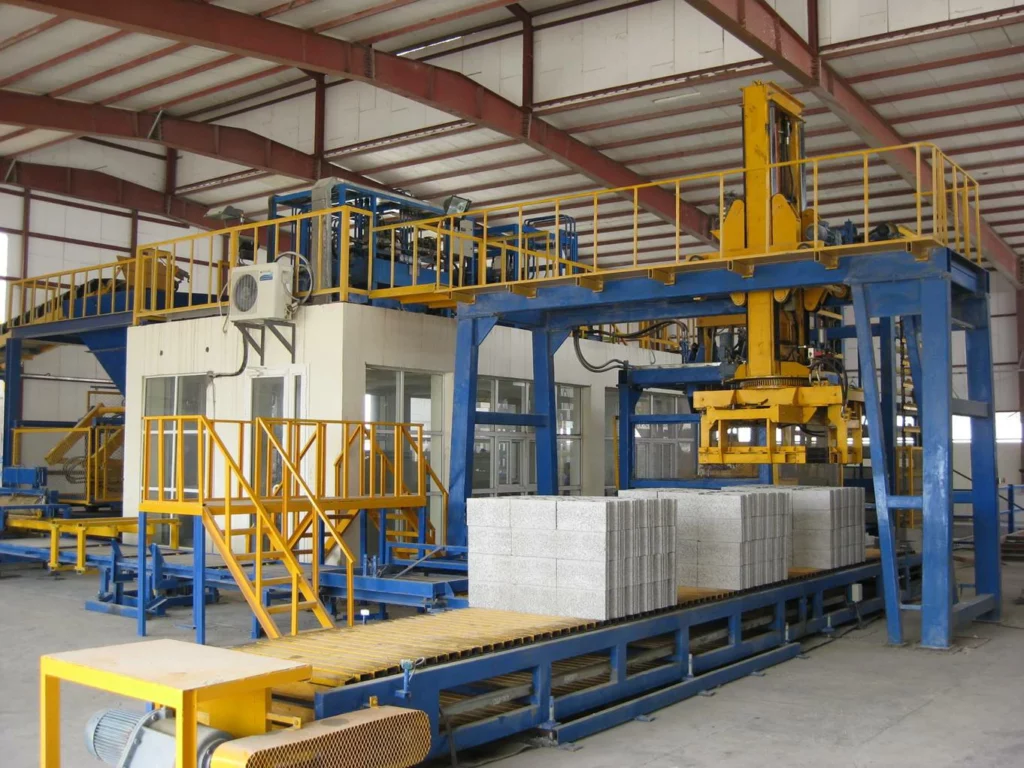
Lini produksi modern dibangun secara terintegrasi mesin blok memungkinkan sinkronisasi yang tepat antara pemberian makan, pembentukan, demolding, dan proses penanganan material. Setiap tahap berkomunikasi dengan tahap berikutnya, mengurangi fluktuasi waktu siklus dan mencegah kemacetan yang biasa terjadi pada operasi semi-otomatis.
Otomatisasi juga meningkatkan stabilitas antar shift. Resep produksi digital dan pengaturan parameter memastikan bahwa output tetap konsisten terlepas dari pergantian personel, mengurangi ketergantungan pada operator yang sangat berpengalaman.
Pemeliharaan Prediktif dan Pengurangan Waktu Henti
Sistem manufaktur cerdas terus memantau kondisi peralatan. Data seperti getaran, tekanan hidrolik, dan beban motor dapat menunjukkan keausan jauh sebelum terjadi kegagalan. Pemeliharaan prediktif memungkinkan aktivitas layanan direncanakan selama waktu henti terjadwal, mengurangi penghentian tak terduga dan memperpanjang umur peralatan.
Untuk pabrik batu bata berkapasitas tinggi, keandalan ini secara langsung mendukung jadwal pengiriman dan kepercayaan pelanggan.
Konsistensi Kualitas dan Kepatuhan Standar
Konsistensi sangat penting dalam pasokan batu bata dan blok komersial. Manufaktur cerdas dalam produksi batu bata memungkinkan produsen mempertahankan toleransi dimensi yang ketat, kepadatan, dan kekuatan tekan.
Sistem batching otomatis memastikan rasio material yang akurat, sementara kontrol loop tertutup mempertahankan parameter pemadatan dan getaran yang stabil. Sistem pengawetan cerdas mengatur suhu dan kelembapan untuk memastikan pengembangan kekuatan yang seragam di semua produk.
Kemampuan ini menyederhanakan kepatuhan terhadap standar konstruksi nasional dan internasional. Untuk produsen yang memasok infrastruktur atau pasar ekspor, manufaktur cerdas juga memungkinkan ketertelusuran digital, membuat audit dan sertifikasi menjadi lebih efisien.
Efisiensi Energi dan Keberlanjutan di Pabrik Batu Bata
Konsumsi energi merupakan faktor biaya utama dalam produksi batu bata. Manufaktur cerdas secara langsung meningkatkan efisiensi energi dengan mengoptimalkan pengoperasian motor, hidrolika, dan sistem penyembuhan.
Penggerak frekuensi variabel menyesuaikan kecepatan motor sesuai dengan kebutuhan beban waktu nyata, mengurangi penggunaan daya yang tidak perlu. Sistem pengawetan otomatis mengatur panas dan kelembapan secara dinamis, menghindari proses pengawetan yang berlebihan dan kehilangan energi yang berlebihan.
Bagi produsen yang menghadapi kenaikan harga energi atau peraturan lingkungan, perbaikan ini mengurangi biaya operasional sekaligus mendukung target keberlanjutan.
Pengurangan Limbah dan Optimalisasi Sumber Daya
Pemantauan waktu nyata memungkinkan koreksi segera terhadap penyimpangan aliran material atau pengisian cetakan. Tingkat memo menurun, pengerjaan ulang diminimalkan, dan bahan baku digunakan lebih efisien. Seiring waktu, penghematan ini berkontribusi signifikan terhadap peningkatan margin keuntungan.
Teknologi Inti di Balik Manufaktur Cerdas dalam Produksi Batu Bata
Manufaktur cerdas dimungkinkan melalui integrasi berbagai teknologi, bukan hanya melalui satu peningkatan saja.
| Teknologi | Peran dalam Produksi Batu Bata | Nilai Operasional |
|---|---|---|
| PLC & Sistem HMI | Kontrol dan visualisasi terpusat | Keputusan lebih cepat, lebih sedikit kesalahan |
| Sensor Industri | Pantau tekanan, kelembaban, suhu | Kualitas produk stabil |
| Servo & Kontrol Hidraulik | Pemadatan dan gerakan yang tepat | Kekuatan dan konsistensi yang lebih tinggi |
| Analisis Data | Pelacakan dan pengoptimalan kinerja | Perbaikan berkelanjutan |
| Penanganan Otomatis | Penumpukan dan pembuatan palet | Penghematan dan keamanan tenaga kerja |
Ketika terintegrasi dengan benar, teknologi ini mengubah pabrik batu bata menjadi sistem manufaktur berbasis data, bukan bengkel yang bergantung pada operator.
Manufaktur Cerdas dan Ekspansi Produksi yang Skalabel
Skalabilitas adalah pertimbangan penting bagi produsen yang merencanakan pertumbuhan di masa depan. Manufaktur cerdas dalam produksi batu bata memungkinkan pabrik meningkatkan produksi tanpa peningkatan tenaga kerja atau kompleksitas operasional secara proporsional.
Desain sistem modular memungkinkan jalur atau stasiun produksi tambahan diintegrasikan ke dalam tata letak yang ada. Sistem kontrol berbasis perangkat lunak memungkinkan peralatan baru untuk melakukan sinkronisasi dengan aset saat ini secara efisien.
Saat mengevaluasi opsi ekspansi, banyak produsen memprioritaskan pemilihan yang kompatibel mesin pembuat blok yang mendukung otomatisasi, konektivitas data, dan pertumbuhan kapasitas jangka panjang tanpa memerlukan penggantian sistem secara menyeluruh.
Selama perencanaan modernisasi, bekerja sama dengan pemasok peralatan berpengalaman membantu menyelaraskan tingkat otomatisasi dengan target produksi dan jadwal investasi. Jika Anda merencanakan peningkatan manufaktur yang cerdas, Anda dapat mendiskusikan kebutuhan Anda secara langsung melalui Hubungi Reit.
Transformasi Tenaga Kerja di Smart Brick Manufacturing
Manufaktur cerdas mengubah cara orang bekerja di pabrik batu bata. Operator beralih dari kendali manual ke pengawasan sistem. Tim pemeliharaan lebih fokus pada tugas diagnostik dan pencegahan, sementara manajer mengandalkan dasbor real-time dibandingkan laporan kertas.
Transformasi ini meningkatkan keselamatan di tempat kerja dengan mengurangi penanganan manual dan paparan terhadap kondisi berbahaya. Hal ini juga menurunkan ketergantungan pada tenaga kerja terampil yang langka, meningkatkan ketahanan operasional.
Memilih Strategi Peralatan yang Tepat
Teknologi saja tidak menjamin kesuksesan. Efektivitas manufaktur cerdas dalam produksi batu bata bergantung pada desain peralatan, kemampuan integrasi sistem, dan dukungan teknis jangka panjang.
Untuk pabrik yang ingin mencapai integrasi digital penuh, tingkat lanjut mesin pembuat blok otomatis menyediakan pemantauan terpusat, kontrol parameter cerdas, dan kinerja output tinggi yang stabil di berbagai spesifikasi produk.
Pengambil keputusan harus mengevaluasi pemasok berdasarkan keandalan sistem, kemampuan pengujian, proyek referensi, dan layanan purna jual daripada hanya berfokus pada angka output nominal.
Pertanyaan Umum: Manufaktur Cerdas dalam Produksi Batu Bata
Apa itu manufaktur cerdas dalam produksi batu bata?
Ini adalah penggunaan otomatisasi, sensor, dan sistem kontrol digital untuk mengoptimalkan efisiensi, kualitas, dan prediktabilitas dalam pembuatan batu bata dan balok.
Apakah manufaktur cerdas cocok untuk pabrik berukuran sedang?
Ya. Otomatisasi modular memungkinkan produsen untuk mengadopsi fitur-fitur cerdas secara progresif berdasarkan anggaran dan rencana pertumbuhan.
Bagaimana manufaktur cerdas mempengaruhi kualitas produk?
Ini menstabilkan variabel produksi utama, menghasilkan kekuatan yang konsisten, ukuran, dan permukaan akhir.
Berapa jangka waktu ROI pada umumnya?
Banyak produsen memperoleh keuntungan dalam satu hingga tiga tahun melalui penghematan energi, pengurangan limbah, dan biaya pemeliharaan yang lebih rendah.
Apakah otomatisasi mengurangi kebutuhan tenaga kerja??
Hal ini mengurangi tenaga kerja manual sekaligus meningkatkan permintaan akan teknisi terampil dan operator sistem.
Tentang Reit
Reit adalah produsen profesional peralatan produksi batu bata dan blok, menyediakan cerdas, dapat diandalkan, dan solusi terukur untuk pasar konstruksi global. Dengan fokus yang kuat pada manufaktur cerdas dalam produksi batu bata, Reit merancang sistem yang mengintegrasikan otomatisasi, Teknik Presisi, dan daya tahan jangka panjang untuk mendukung pertumbuhan industri yang berkelanjutan.
Referensi
- Wikipedia – Industri 4.0
https://en.wikipedia.org/wiki/Industry_4.0 - Forum Ekonomi Dunia – Manufaktur Tingkat Lanjut
- Badan Energi Internasional – Efisiensi Energi di Industri