Abstract
Ny famelomana indray ny tontolon’ny tanàn-dehibe ao 2025 mitaky fomba fiasa saro-pady amin'ny fisafidianana fitaovana, aiza ny fampisehoana, maharitra, ary mifanelanelana ny viability ara-toekarena. Ity famakafakana ity dia mandinika vahaolana dimy lehibe amin'ny fanamboarana biriky an-tanàn-dehibe, fanombanana ny fampiharana azy ireo amin'ny tetikasa ankehitriny. Izy io dia mikaroka ireo pavers concrete permeable interlocking (PICP) ho an'ny fitantanana ny rivo-doza mandroso, Biriky votoaty voaresadresaka ho vato fehizoron'ny toekarena boribory, Insulation Concrete Blocks ho an'ny fampisehoana mafana tsara, Vondron-tany miorim-paka (CSEB) ho an'ny fanorenana iva, ary Bricks Architectural Facing High-Strength ho an'ny hatsarana sy ny faharetana. Ny dingana famokarana, Manamora ny teknolojia toy ny milina fanaovana bloc maoderina sy milina paver block, nojerena mba hahatakarana ny fiantraikan'izy ireo amin'ny fananana ara-materialy sy ny dian-tongotra amin'ny tontolo iainana. Amin'ny fampitahana ireo fepetra ara-teknika, vidim-piainana, ary ny tombontsoa ara-tsosialy sy ara-tontolo iainana amin'ny vahaolana tsirairay, ity antontan-taratasy ity dia manome rafitra feno ho an'ny mpanao mari-trano, mpandrindra an-tanàn-dehibe, ary ny mpamorona mba handray fanapahan-kevitra tsara mifanaraka amin'ny tanjona sarotra amin'ny fanavaozana ny tanàna.
Fitaovana fanalahidy
- Ny pavers permeable dia vahaolana tsara indrindra amin'ny fitantanana ny fikorianan'ny rivodoza an-tanàn-dehibe.
- Ny biriky votoaty azo recycled dia manampy amin'ny fampidinana ny fako amin'ny trano fanariam-pako.
- Insulating blocks significantly improve a building's energy efficiency.
- Ny CSEB dia manolotra safidy tsy misy karbônina amin'ny fampiasana akora tany an-toerana.
- Ny biriky ara-javakanto dia manome hatsarana maharitra amin'ny fikojakojana kely.
- Misafidiana vahaolana biriky amin'ny fanavaozana ny tanàna mifototra amin'ny tanjona amin'ny toetrandro sy ny tetikasa.
- Ny milina maoderina dia manatsara ny kalitao sy ny faharetan'ny famokarana biriky.
Fizahan-takelaka
- Fijery fampitahana amin'ny Vahaolana Brick Modern
- 1. Pavers vita amin'ny simenitra mifamatotra permeable (PICP): Fitantanana ny rano an-tanàn-dehibe
- 2. Bricks votoaty azo averina: Fananganana toekarena boribory
- 3. Ny endrika sy ny blocs insulation: Thermal Performance Solution
- 4. Vondron-tany miorim-paka (CSEB): Fiteny tsy misy karbônina
- 5. Birao manatrika Architectural matanjaka: Faharetana mihaona amin'ny famolavolana
- Synthesize ny Vahaolana: Rafitra fanapahan-kevitra ho an'ny 2025 tetikasa
- Fanontaniana matetika (FAQ)
- Famaranana
- References
Fijery fampitahana amin'ny Vahaolana Brick Modern
Ny fifantenana fitaovana fanorenana fototra ho an'ny tetikasa fanavaozana ny tanàna dia mitondra lanja mihoatra lavitra noho ny filàna ara-drafitra tsotra. Fanapahan-kevitra mamolavola ny zava-bitan'ny tontolo iainana eo amin'ny manodidina izany, ny fiainam-piarahamonina, ary ny traikefan'ny mponina isan'andro. Rehefa mamakivaky ny fahasarotan'ny fanavaozana an-tanàn-dehibe isika 2025, ny biriky manetry tena, amin'ny endriny maro mivoatra, manolotra karazana mety. Mba hahazoana ny tombontsoa miavaka atolotry ny vahaolana tsirairay, tena sarobidy ny rafitra fampitahana. Izany dia mamela antsika hivezivezy any ivelan'ny fanombanana ambany kokoa mankany amin'ny lalindalina kokoa, fahatakarana misimisy kokoa momba ny fampifanarahana ny fitaovana tsirairay amin'ny tanjon'ny tetikasa manokana. Ity tabilao manaraka ity dia manome fampitahana avo lenta amin'ireo vahaolana biriky dimy lehibe amin'ny fanavaozana ny tanàn-dehibe resahina amin'ity fanadihadiana ity, mametraka ny sehatra ho amin'ny fikarohana lalindalina kokoa ny tsirairay.
| Karazana vahaolana | Fitaovana fototra | Tombontsoa lehibe | Avg. MIRARY (USD/m²) | Naoty maharitra (1-5) | Fampiasana tsara indrindra |
|---|---|---|---|---|---|
| Pavers permeable | BETAO, Aggregates | Fitantanana ny rano tafiotra | $50 – $100 | 4 | Toeram-piantsonana, TOERAM, lalana iva |
| Brick Votoaty Recycled | C&D fako, plastika, Manidina lavenona | Toe-karena boribory | $40 – $90 | 5 | Rindrina tsy mitondra entana, facades, zaridaina |
| Insulation Concrete Block | BETAO, Insulation (EPS/XPS) | Fahavitan'ny angovo | $60 – $120 | 3.5 | Rindrina ivelany amin'ny toetr'andro mahery vaika |
| Vondron-tany voaporitra | nofon-tany, TANIMANGA, Stabilizer (simenitra) | Carbon Embodied ambany | $30 – $70 | 4.5 | Trano fonenana iva, tranom-piarahamonina |
| Brick Architectural Facing | TANIMANGA, Shale | Faharetana & Estetika | $70 – $150+ | 3 | Facades avo lenta, fanarenana ara-tantara |
Ny tabilao faharoa etsy ambany dia mandalina ny lafiny famokarana, mifanohitra fomba roa samy hafa ifotony: ny tsindry ambony, dingan'ny maripana ambient amin'ny famoronana bloc Earth Stabilized Compressed (CSEB) mifanohitra amin'ny hafanana be, fandoroana Brick Architectural Facing Brick nentim-paharazana. Ny fahatakarana ireo lalan'ny famokarana ireo dia tena ilaina amin'ny fankasitrahana ny fiantraikan'ny safidintsika ara-materialy amin'ny tsingerin'ny fiainana. Ny milina tafiditra, avy amin'ny milina simenitra tsotra ary manindry ny CSEB mankany amin'ny sangany, mandeha ho azy tanteraka block milina famokarana tsipika ho an'ny biriky voaroaka, dictates not only the final product's characteristics but also its environmental and economic cost.
| Manufacturing Parameter | Vondron-tany voaporitra Stabilized (CSEB) | Brick Architectural Facing (Voaroaka Clay) |
|---|---|---|
| Fampidirana angovo voalohany | Famoretana mekanika (hydraulic / manual press) | Angovo mafana (fandoroana lafaoro amin'ny 900-1200 ° C) |
| Masinina mahazatra | Soil pulverizer, mixeur (milina simenitra), fanakanana gazety | Extruder, mpanapaka, fikirakirana mandeha ho azy, lafaoro tonelina |
| Fanasitranana/Famaranana | Air curing for 28 andro | Fandoroana lafaoro ho an'ny 40-150 ORA, dia mangatsiaka |
| Ireo singa mifandraika amin'ny CO2 (Approx.) | 20-40 kg CO2 / taonina | 200-500 kg CO2 / taonina |
| Fanjifana rano | IVA; ampiasaina amin'ny votoatin'ny hamandoana tsara indrindra | mampitony; ampiasaina amin'ny fanomanana tanimanga |
| Toerana famokarana | Matetika eny an-toerana na hyper-local | foibe, orinasa lehibe |
| Fepetra takiana | mampitony; mila fiofanana amin’ny fifantenana ny tany | Avo; mitaky fitantanana ny fizotran'ny indostria |
Ireo latabatra ireo dia natao ho santatra. Manolotra sketch quantitative izy ireo, sarintanin'ny terrain saika hojerentsika. Ny tena zava-misy, na izany aza, dia ao amin'ny antsipirian'ny qualitative, ny tantaran'ny fampiharana, ny fitsipika siantifika, ny voka-dratsin'ny olombelona amin'ny fisafidianana ny lalana iray. Andeha isika izao hiroso amin'ny fandinihana amin'ny antsipiriany ny tsirairay amin'ireo vahaolana dimy lehibe amin'ny fanamboarana biriky an-tanàn-dehibe.
1. Pavers vita amin'ny simenitra mifamatotra permeable (PICP): Fitantanana ny rano an-tanàn-dehibe
Ny Imperative Hydrological amin'ny tanàna maoderina
Nandritra ny taonjato maro, ny lojikan'ny fampandrosoana an-tanàn-dehibe dia ny manala ny rano. Noforoninay tamin'ny tany tsy tafody ny tanànanay—asfalta, BETAO, tafo nentim-paharazana — natao mba handatsahana ranonorana haingana araka izay azo atao ho sarotra, lafo vidy, ary ny rafitra fanarian'ny tafio-drivotra mihabetsaka hatrany. Ny vokatr'io fomba fiasa io dia mazava be izao. Mihabetsaka ny fisehoan-javatra amin'ny toetr'andro mahery vaika, entin'ny fiovan'ny toetr'andro, miteraka tondra-drano izay mampidi-doza ain’olona sy fananana. Manangona loto toy ny menaka ny fivoahana avy amin'ireo faritra tsy mahazaka ireo, metaly mavesatra, ary zezika, mitondra azy ireo mivantana any amin'ny renirano sy farihy, manimba ny kalitaon'ny rano ary manimba ny tontolo iainana anaty rano (Gaye, 2022). Fampandrosoana ny tanàna ao amin'ny 2025 TSY mAINTSY, Ary noho izany, miasa amin'ny paradigma vaovao: tsy hiady rano, fa ny miasa aminy. Tanjona ny hitantana ny rotsak’orana amin’izay misy azy, maka tahaka ny tsingerin'ny hidrôlôjia voajanahary amin'ny alalan'ny fidiran'ny rano, filtration, ary fitahirizana. Ao anatin'io fepetra io dia ny Pavers Concrete Permeable Interlocking (PICP) mipoitra tsy ho toy ny fitaovana paving fotsiny, fa toy ny ampahany manan-danja amin'ny fotodrafitrasa maitso.
Siansa ara-materialy: Engineering for Porosity
Raha vao jerena, ny paver permeable dia mitovy amin'ny azy taloha. Mafy izy io, vondrona betonika matanjaka. Ny fahakingan'ny rafitra, na izany aza, tsy ao anatin'ny paver mihitsy no mipetraka fa eo amin'ny elanelana eo anelanelan'izy ireo. Ny singa PICP dia natao miaraka amin'ny habaka iraisana lehibe kokoa noho ny mahazatra, matetika manomboka amin'ny 5 ny 10 millimeters. Ireo tonon-taolana ireo dia feno kely, aggregate madio, toy ny granita na vatosokay chips. Amin'ny alalan'ireny banga feno fitambarana ireny no ivoahan'ny rano, miala amin'ny tany saika avy hatrany.
The system's effectiveness depends on the entire vertical profile. Eo ambanin'ny pavers dia misy sosona lambam-pandriana mitovy amin'ny aggregate misokatra, izay mipetraka eo ambonin'ny fotony matevina kokoa sy ambanin'ny vato voatorotoro lehibe kokoa. Ity fitahirizana ambanin'ny tany iray manontolo ity, izay mety ho 30 santimetatra ka hatramin'ny iray metatra mahery ny halaliny, miasa roa. Izy io dia manome fanohanana ara-drafitra ilaina amin'ny enta-mavesatry ny fiara sady miasa toy ny tanky fitehirizana vonjimaika ho an'ny rivo-doza.. Ny rano dia tazonina ao anatin'ny habaka banga amin'ireo sosona mitambatra, mamela azy hiditra tsimoramora ao amin'ny tanindrazany ambany. Any amin'ny faritra misy tany ambany infiltrate toy ny tanimanga mavesatra, azo asiana tatatra mivolombolamena mba hamoahana tsimoramora ny rano voasivana ao anaty tatatra maloto, manalefaka ny tahan'ny fikorianan'ny peak. Ny pavers beton mihitsy no amboarina araka ny fenitra hentitra, mitaky tanjaky ny fanerena avo lenta mba hanohitra ny enta-mavesatry ny fifamoivoizana sy ny faharetana tena tsara hanoherana ny tsingerin'ny hatsiaka mahazatra any amin'ny toetr'andro toa an'i Kanada sy Rosia..
Manufacturing PICP: Ny anjara asan'ny milina paver block
Ny famokarana pavers permeable avo lenta dia dingana mazava, miantehitra mafy amin'ny fitaovana famokarana mandroso. Ny fon'ny asa dia ny milina paver block, karazana milina fanaovana bloc beton manokana natao hamokarana ireo singa ireo miaraka amin'ny tsy miovaova sy maharitra. Ny dingana dia manomboka amin'ny famolavolana fangaro voafehy tsara. Ny simenitra ampiasaina amin'ny pavers dia ambany dia ambany, midika hoe henjana, fangaro mando-tany. Ity tahan'ny rano sy simenitra ambany ity no manome ny vokatra farany ny hakitroky sy tanjany ambony.
Akora - simenitra, fasika, aggregates tsara, rano, ary matetika ny fangaro simika mba hanatsara ny faharetana—dia atambatra sy mifangaro amin'ny fepetra voafaritra tsara. Ampitaina ao amin'ny milina paver block avy eo ny fangaro. Ny milina dia mampiasa fitambaran'ny vibration mahery vaika sy ny fanerena hydraulika mba hametahana ny fangaro simenitra ho lasitra vy. Ny vibration dia manampy amin'ny fametrahana ireo poti-javatra mitambatra ho matrix matevina, fanafoanana ny banga rivotra, raha ny milina fanontam-pirinty hydraulika dia miantoka ny fampifanarahana sy ny endriny. Ny lasitra dia novolavolaina miaraka amin'ny baoritra spacer mitambatra izay mamorona tonon-taolana midadasika miavaka amin'ny pavers permeable. Rehefa avy noravana, ny "green" afindra any amin'ny efitra fandroana ny pavers izay mahazo hery mandritra ny andro maromaro ao anatin'ny tontolo voafehy amin'ny hafanana sy ny hamandoana.. IRETO tsipika famokarana bloc mandroso afaka mamokatra pavers an'arivony metatra toradroa isan'andro, mamaly ny fitakian'ny tetikasa fanavaozana ny tanàna midadasika.
Tombontsoa fototra: Beyond Stormwater Management
Ny andraikitry ny PICP dia tsy azo lavina fa ny fahaizany mitantana ny ranon'ny tafiotra. Amin'ny fidiran'ny ranon'orana, ireo rafitra ireo dia mampihena na manafoana ny fikorianan'ny tany, izay mampihena mivantana ny mety hisian'ny tondra-drano eo an-toerana. Ity fampihenana ny fikorianan'ny rafi-dranomasin'ny kaominina ity dia afaka manamaivana ny filana fanavaozana lafo vidy amin'ny fotodrafitrasa efa antitra.. Ny tombontsoa ara-tontolo iainana dia lehibe. Rehefa mikoriana amin'ny alalan'ireo sosona mitambatra ny rano, voasivana sy voafandrika ny loto, ary ny mikraoba ao anaty tany dia afaka mamotika ireo loto organika sasany, miteraka rano madio kokoa ny tany (Kamali et al., 2021).
NEFA MBOLA, miitatra bebe kokoa ny tombony. Ny loko maivana kokoa amin'ny ankamaroan'ny pavers beton, raha oharina amin'ny asfalta maizina, manampy amin'ny fanalefahana ny fiantraikan'ny nosy hafanana an-tanàn-dehibe amin'ny alàlan'ny taratry ny taratra masoandro bebe kokoa. Izany dia mety hitarika amin'ny hafanana mangatsiaka kokoa amin'ny fahavaratra, fampihenana ny fitakiana angovo amin'ny fanamafisam-peo. Avy amin'ny fomba fijery estetika, PICP dia manolotra loko isan-karazany, endriny, ary textures, mamela ny mpamorona hamorona toerana an-tanàn-dehibe mahafinaritra sy miavaka. Manamora ny fanamboarana ihany koa ny toetran'ny pavers modular; ireo singa simba dia azo soloina tsirairay nefa tsy mila fanamboarana ny faritra iray manontolo. Ho an'ny mponina, ny fanjavonan’ny ranon’orana haingana dia midika fa tsy misy fotaka intsony eny amin’ny sisin-dalana na eny amin’ny toeram-piantsonana, fanatsarana ny fiarovana sy ny fidirana.
Fanamby amin'ny fampiharana: Fanomanana sy Fikojakojana ny fototra
Ny fahombiazan'ny rafitra PICP dia miankina tanteraka amin'ny famolavolana sy fametrahana mety, indrindra fa ny fototry ny aggregate. Ny halaliny sy ny firafitry ny fototra dia tsy maintsy amboarina mifototra amin'ny enta-mavesatry ny fifamoivoizana, tahan'ny fidiran'ny tany, ary ny lamin'ny rotsak'orana eo an-toerana. Ny fanomanana fototra tsy mety dia mety hitarika amin'ny tsy fahombiazan'ny rafitra, na amin'ny alalan'ny fametrahana ara-drafitra na ny fanakatonana. Ny dingan'ny fametrahana azy dia mitaky asa bebe kokoa noho ny fametrahana asfalta, mitaky mpiasa mahay hametraka ny pavers sy hameno tsara ny tonon-taolana.
Miankina amin'ny fikojakojana ny fampandehanana maharitra. Raha matanjaka, ny tonon-taolana feno fitambarana dia mety ho lasa tsentsina rehefa mandeha ny fotoana miaraka amin'ny sediment manify, fako organika, ary loto, which reduces the system's permeability. Ilaina àry ny fikojakojana tsy tapaka. Matetika izany dia ny fampiasana fiara manokana famafana banga mba hanesorana ny sosona ambony amin'ny fitambarana tsentsina sy potipoti-javatra avy amin'ny tonon-taolana., arahin'ny famenoana vaovao, fitambarana madio. The frequency of this maintenance depends on the site's use and surrounding environment, fa vola miverimberina tsy maintsy ampidirina amin'ny famakafakana amin'ny tsingerin'ny fiainan'ilay tetikasa. Ny tsy fanatanterahana ny fikojakojana no antony mahazatra indrindra amin'ny tsy fahombiazan'ny rafi-pavement permeable.
Fandinihana tranga: Ny Green Alleys any Chicago, USA
Ny tanànan'i Chicago dia mpisava lalana tamin'ny fampiasana ny pavers permeable ho vahaolana biriky lehibe amin'ny fanavaozana an-tanàn-dehibe.. Miatrika tondra-drano mitarazoka any ambanin'ny tany sy rafitra fanariana maloto, ny Departemantan'ny Fitaterana Chicago (CDOT) Nanomboka ny Green Alley Program tamin'ny 2006. The program replaces traditional asphalt in the city's vast network of service alleys with permeable pavements, PICP voalohany indrindra. Ireo lalankely ireo, indray mandeha ny loharanon'ny tondra-drano sy ny fikorianan'ny loto, dia ovaina ho functional, fotodrafitrasa mahasoa ny tontolo iainana.
Ny tetikasa Chicago Green Alley mahazatra dia misy ny fitrandrahana ny asfalta taloha sy ny tany, fametrahana fototra lalina vato voatorotoro, ary apetaho amin'ny pavers permeable izany. Ny famolavolana dia ahafahan'ny lalan-kely tsirairay misambotra sy mitazona rano be dia be, avela hilentika ao anaty tany fa tsy mikoriana any anaty tatatra. Nahomby ny fandaharana. Ankoatra ny fanalefahana ny tondra-drano, ny lalantsara' tarafin'ny hafanana ny faritra miloko mazava, fampangatsiahana ny microclimate manodidina. Matetika izy ireo dia mampiditra endri-javatra hafa maharitra toy ny fitaovana recycled ao amin'ny paver mix sy ny jiro mitsitsy angovo.. Amin'ny 2025, lalankely an'arivony no niova fo, mampiseho ny fampitomboana sy ny fahombiazan'ny PICP ho toy ny paikadin'ny tanàna ho an'ny fampifanarahana ny toetr'andro sy ny fanavaozana ny tanàna.. Asehon'ilay fandaharana ny fomba ahafahan'ny safidy ara-materialy toa tsotra, fiantraikany tsara amin'ny faharetan'ny tanàna.
Viability ara-toekarena: Fomba fijery momba ny vidim-piainana
Ny vidin'ny fametrahana voalohany ny PICP dia matetika ambony noho ny an'ny asfalta mahazatra na beton. Ity fampiasam-bola mialoha ity dia mety ho sakana amin'ny tetikasa sasany. na izany aza, ny famakafakana ara-toekarena feno dia tsy maintsy mandinika ny androm-piainan'ny lalantsara. Rehefa lany ny vidin'ny fotodrafitrasa tondra-drano mahazatra—toy ny fantsona ambanin'ny tany, dobo fitazonana, ary ny fanavaozana ny lakandrano—dia tafiditra ao anatin'izany, Ny PICP dia mety ho safidy ara-toekarena kokoa. Ny rafitra tokana dia miasa ho toy ny firafitry ny pavement sy ny fitaovana fitantanana ny rivo-doza, mamorona fandaniam-bola lehibe.
koa, ny faharetan'ny rafitra PICP dia tombony ara-toekarena lehibe. Ny rafitra paver voakarakara tsara dia afaka manana fiainana serivisy 30 ny 50 taona, matetika mihoatra ny asphalt surfaces izay mety mitaky resurfacing tsirairay 10 ny 15 taona. Raha tsy aotra ny vidin'ny fikojakojana ny PICP, they can be offset by the reduced need for major repairs and the long-term savings associated with effective on-site stormwater management. In some municipalities, developers who use low-impact development techniques like PICP may be eligible for tax incentives or reduced stormwater utility fees, further improving the economic case for these advanced urban redevelopment brick solutions.
2. Bricks votoaty azo averina: Fananganana toekarena boribory
The Waste Crisis as a Resource Opportunity
Our cities are immense engines of consumption. They draw in vast quantities of raw materials and, mifandimby, generate mountains of waste. The construction and demolition (C&D) sector is a particularly large contributor to this waste stream, accounting for a substantial portion of all solid waste generated globally. Nandritra ny am-polony taona maro, this debris—broken concrete, old bricks, crushed asphalt, discarded wood—was seen as a problem to be disposed of, trucked to overflowing landfills at significant economic and environmental cost. Fampandrosoana ny tanàna ao amin'ny 2025 must be guided by the principles of a circular economy, which reframes waste not as an endpoint but as a valuable resource. Amin'ity toe-javatra ity, the development of recycled content bricks represents a profound shift in thinking, transforming the liabilities of urban demolition into the assets of urban reconstruction. It is a tangible manifestation of the idea that the old city can, tena ara-bakiteny, be used to build the new.
From Debris to Durability: Types of Recycled Bricks
The category of "recycled content bricks" malalaka, encompassing a variety of materials and manufacturing techniques. One of the most common forms involves the use of crushed C&D waste as an aggregate substitute in the production of new concrete blocks. A concrete block making machine can be calibrated to accept a certain percentage of recycled concrete aggregate (Rca) or crushed brick in place of virgin sand and gravel. The resulting blocks have properties very similar to conventional concrete blocks and can be used in a wide range of applications.
Another innovative frontier is the use of post-industrial or post-consumer waste. Ohatra, some manufacturers incorporate fly ash, Famokarana zavamaniry herinaratra arintany, into their brick mix. Fly ash acts as a pozzolan, reacting with cement to create a stronger, denser, and less permeable final product, while also diverting a major industrial waste stream from landfills. Perhaps most radical are bricks made from recycled plastics. These products typically use non-recyclable mixed plastic waste, which is shredded and then combined with sand or other fillers. The mixture is heated and compressed to form a block that is lightweight, water-resistant, and has good insulating properties. While often not suitable for structural applications, plastic bricks are finding niches in partition walls, pavement, and landscape features.
The Technology Behind Upcycling: Advanced Block Making Machines
The ability to transform heterogeneous waste materials into uniform, high-performance building units is a testament to modern manufacturing technology. The process requires sophisticated machinery capable of handling and processing unconventional inputs. For bricks made from C&D waste, the first step is on-site or off-site processing of the debris. This involves crushing, projection, and often washing the material to remove contaminants and sort it into consistent aggregate sizes.
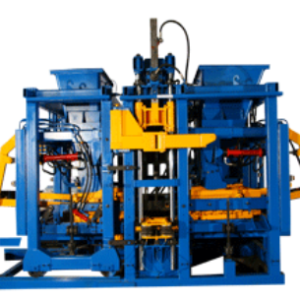
This processed aggregate is then fed into a fully automatic block machine. These machines are engineered for precision and power. They utilize programmable logic controllers (Plcs) to manage the entire production cycle. The recycled aggregate is mixed with cement, rano, and admixtures in a computerized batching plant to ensure a consistent recipe. The mix is transported to the block making machine, where it is forced into molds under intense vibration and hydraulic pressure. The ability of the machine to handle the potentially irregular shapes and textures of recycled aggregate without compromising the final block's integrity is key. The result is a hollow block machine or solid block that meets strict dimensional tolerances and strength requirements, ready to be reintegrated into the urban fabric. This level of automation ensures that recycled content bricks can be produced at a scale and quality sufficient for large urban redevelopment projects.
Environmental and Social Co-Benefits
The primary environmental benefit of using recycled content bricks is the conservation of natural resources. By substituting waste for virgin materials like clay, shale, and quarried aggregate, these bricks reduce the environmental damage associated with extraction industries. They also significantly reduce the volume of waste going to landfills, extending the life of these facilities and mitigating the potential for soil and water contamination. The energy savings can also be substantial. Ohatra, incorporating fly ash reduces the amount of energy-intensive cement required in a concrete block, lowering its embodied carbon footprint.
Beyond the direct environmental metrics, these urban redevelopment brick solutions can generate positive social impacts. The collection, fanasokajiana, and processing of C&D waste can create local green jobs, often in the very communities undergoing redevelopment. Using locally sourced waste to create building materials for local projects strengthens the local economy and fosters a sense of community ownership and pride. It provides a visible, tangible link between the city's past and its future, telling a story of renewal and resourcefulness. This narrative aspect can be a powerful tool in gaining public support for redevelopment initiatives.
Navigating Performance Standards and Regulations
One of the significant hurdles to the widespread adoption of recycled content bricks has been a lack of comprehensive performance standards and regulatory acceptance. Builders and architects are understandably cautious about using materials that do not have a long, established track record or clear certification. na izany aza, the situation is rapidly improving in 2025. Research institutions and standards organizations have been working to develop testing protocols and specifications for various types of recycled content bricks. Organizations like ASTM International have published standards for the use of recycled aggregates in concrete, providing engineers with the data they need to design with confidence (ASTM C1797-17, 2017).
For projects in regions like the United States or Canada, achieving compliance with local building codes is paramount. This often involves submitting third-party testing data that demonstrates the recycled material meets or exceeds the performance requirements for strength, faharetana, fire resistance, and other key metrics. As more successful projects are completed and long-term performance data becomes available, building codes are gradually evolving to be more accommodating of these innovative materials. Proponents of these urban redevelopment brick solutions must engage proactively with regulators, providing clear documentation and evidence of performance to pave the way for broader acceptance.
Fandinihana tranga: Reclaimed Materials in Seoul's Upcycling Plaza
Seoul, the capital of South Korea, is a hyper-dense megacity that has embraced the circular economy with remarkable vision. A prime example is the Seoul Upcycling Plaza (SUP), a cultural complex dedicated entirely to the concept of upcycling. The building itself is a showcase for recycled materials. A significant portion of its facade and interior walls are constructed from bricks made with recycled materials, including crushed concrete and other C&D waste sourced from demolition sites across the city.
The project demonstrates that recycled content bricks can be used to create architecturally sophisticated and aesthetically pleasing buildings. The bricks used at SUP were produced using a modern block making machine that could ensure consistent color, mihasimba, sy ny fampisehoana. The plaza serves not only as a hub for designers and businesses focused on upcycling but also as an educational tool for the public, illustrating the potential and beauty of a circular approach to materials. The Seoul Upcycling Plaza is a powerful statement that waste is a design flaw, not an inevitability, and that recycled content bricks are a viable and inspiring urban redevelopment brick solution.
Future Trajectories: Bioreceptive and Carbon-Negative Designs
The field of recycled content bricks is not static; it is an area of active and exciting research. Mijery mialoha, one of the most promising developments is the creation of "bioreceptive" biriky. These are bricks with surface textures and chemical compositions designed to encourage the growth of mosses, lichens, and other small plants. A bioreceptive facade can help to improve air quality, increase biodiversity, and provide additional cooling through evapotranspiration.
Even more ambitious is the development of carbon-negative bricks. Researchers are experimenting with processes that use industrial waste streams, like steel slag, which can absorb atmospheric carbon dioxide as it cures. Other approaches involve incorporating biochar—a form of charcoal made from pyrolyzed organic waste—into the brick mixture. The biochar permanently sequesters carbon that was originally captured from the atmosphere by plants. While still largely in the research and development phase, these technologies point to a future where our building materials could actively heal the environment, moving beyond sustainability to a truly regenerative model of urban development.
3. Ny endrika sy ny blocs insulation: Thermal Performance Solution
Energy Efficiency as a Cornerstone of Redevelopment
The operational energy of buildings—the energy consumed for heating, cooling, lighting, and ventilation—is a massive contributor to global greenhouse gas emissions. In many parts of the world, particularly in regions with extreme climates like the cold winters of Russia and Canada or the hot summers of the southern United States, heating and cooling represent the largest share of a building's energy use. Ary noho izany, any serious strategy for urban redevelopment in 2025 must place a high premium on energy efficiency. A highly insulated and airtight building envelope is the first and most effective step in reducing a building's energy demand. It is a strategy of passive survivability, ensuring that a building remains comfortable and safe for longer periods during power outages or extreme weather events. It is in this context that Insulating Concrete Forms (ICFs) and their unit-based cousins, Insulating Concrete Blocks, have gained prominence as a powerful urban redevelopment brick solution.
Anatomy of an Insulating Block: A Composite Approach
An Insulating Concrete Block is a composite building unit that integrates thermal insulation directly into the masonry wall structure. While there are several variations, a common type consists of two layers of concrete (the "wythes") held together by metal or composite ties. The space between the concrete wythes is filled with a rigid foam insulation, typically Expanded Polystyrene (EPS) or Extruded Polystyrene (XPS). Another popular configuration is a hollow block machine-produced concrete block with specially shaped cavities designed to accept pre-molded insulation inserts.
The genius of this composite design is that it combines multiple functions into a single component. The concrete provides the structure, faharetana, and fire resistance of traditional masonry. The integrated insulation provides a continuous thermal barrier, dramatically reducing heat transfer through the wall. The thermal mass of the concrete helps to moderate indoor temperature swings, absorbing heat during the day and releasing it slowly at night. This synergy between insulation and thermal mass creates an exceptionally stable and energy-efficient indoor environment. The system effectively creates a wall that is structured, insulated, and often ready for final finishes in one step, streamlining the construction process.
Production Insights: From Foam Injection to the Hollow Block Machine
The manufacturing of insulating concrete blocks requires a multi-stage process that combines concrete block production with insulation technology. The concrete components are typically produced using a high-capacity concrete block making machine. For blocks with custom cavities, specialized molds are used in a hollow block machine to create the precise shapes needed to accommodate the insulation inserts. The concrete mix itself is a standard, high-strength formulation to ensure structural integrity.
The insulation component, usually EPS, is manufactured separately. Tiny polystyrene beads containing a blowing agent are expanded with steam inside a mold, fusing together to form a large block of rigid foam. These large blocks are then hot-wire cut to the exact shape of the inserts required for the concrete blocks. In the final assembly stage, the pre-molded insulation inserts are fitted into the cavities of the concrete blocks. For some systems, the two concrete wythes and the insulation core are cast together as a single unit. The precision required for all these components to fit together perfectly underscores the importance of advanced, automated manufacturing processes. Companies offering these systems rely on tight quality control to ensure that every block delivers the designed thermal and structural performance.
Advantages for Mixed-Use and Residential Projects
Insulating concrete blocks offer a compelling suite of benefits, particularly for mid-rise residential and mixed-use buildings, which are common typologies in urban redevelopment schemes. The most significant advantage is the exceptional energy performance. Walls built with these blocks can achieve very high R-values (a measure of thermal resistance), drastically reducing heating and cooling costs for the building's occupants. Over the life of the building, these energy savings can be substantial, providing a strong return on the initial investment.
The combination of concrete and foam also provides excellent acoustic insulation, a highly desirable feature in dense urban environments. The mass of the concrete effectively blocks airborne noise from traffic and neighbors, creating quieter and more peaceful living and working spaces. From a construction standpoint, building with large, integrated units can be faster than traditional multi-layer wall assemblies. The durability and disaster resilience of a reinforced concrete structure are also major selling points, offering superior resistance to fire, high winds, and seismic events compared to lightweight frame construction.
Design Limitations and Structural Considerations
Despite their many advantages, insulating concrete blocks are not without their challenges. The thickness of the composite walls is greater than that of conventional wood-frame or steel-stud walls, which reduces the net usable floor area for a given building footprint. In high-value urban real estate markets, this loss of sellable or leasable space can be a significant economic consideration.
From a design perspective, the modular nature of the blocks can impose some constraints on architectural expression, particularly for buildings with complex curves or non-orthogonal geometries. While manufacturers offer a variety of block shapes and sizes, the system is best suited to more rectilinear designs. Structurally, the system relies on reinforcing steel (Rebar) placed within the concrete cores to provide tensile strength. The proper placement of this reinforcement according to the engineering design is absolutely critical to the wall's structural performance. It requires careful planning and inspection during construction. Farany, modifying an insulating concrete block wall after construction—for example, to add a new window or door opening—is more complex and costly than altering a frame wall.
Fandinihana tranga: Passive House Standards in Vancouver, Kanada
Vancouver, with its temperate but damp climate and ambitious green building goals, has become a North American leader in high-performance construction. The city has actively promoted the Passive House (Passivhaus) standard, a rigorous, voluntary standard for energy efficiency in a building, which reduces its ecological footprint. Achieving Passive House certification requires an extremely airtight and well-insulated building envelope.
Insulating concrete blocks and forms have proven to be an effective tool for meeting these demanding requirements. Several multi-family residential projects in Vancouver have utilized ICF or insulating block systems to create their super-insulated wall assemblies. Ohatra, "The Heights" was one of the largest buildings in Canada to be certified to the Passive House standard at the time of its completion. Its structure was built using an ICF system, which was instrumental in achieving the project's stringent airtightness and thermal performance targets. These projects demonstrate that insulating blocks are not just a theoretical concept but a practical and proven urban redevelopment brick solution for creating the next generation of ultra-low-energy buildings, even in challenging regulatory environments.
The Intersection of Thermal Mass and Occupant Well-being
The conversation about insulating blocks often centers on energy savings, but the concept of thermal mass has profound implications for human comfort and well-being. Thermal mass is the ability of a material to absorb, store, and later release heat. Concrete has high thermal mass. In a well-designed building, the interior concrete wythes of an insulating block wall act as a thermal flywheel. On a hot day, the concrete absorbs excess heat from the interior, keeping the space from overheating. As the outdoor temperature drops at night, the stored heat is slowly released back into the space, reducing the need for heating.
This temperature-regulating effect creates a much more stable and comfortable indoor environment, free from the rapid temperature swings that can occur in lightweight buildings. This stability is not just a matter of comfort; it can have health benefits, particularly for vulnerable populations. The robust, solid feel of a masonry building also contributes to a psychological sense of security and permanence, a quality often sought in urban living. When we choose urban redevelopment brick solutions like insulating blocks, we are not just specifying a U-value; we are shaping the fundamental experience of inhabiting a space.
4. Vondron-tany miorim-paka (CSEB): Fiteny tsy misy karbônina
Reconnecting with Earthen Construction in an Urban Context
Ho an'ny millennia, humanity built its shelters from the earth itself. Mud brick, adobe, cob, and rammed earth are among the oldest building materials known. In the industrial era, these vernacular traditions were largely supplanted by manufactured materials like concrete and steel. na izany aza, as we grapple with the immense carbon footprint of the modern construction industry, there is a renewed interest in earthen construction. Vondron-tany miorim-paka (CSEB) represent a modern evolution of this ancient practice. They combine the low environmental impact of using local soil with a manufacturing process that yields a strong, maharitra, and uniform building unit. Adopting CSEB as an urban redevelopment brick solution is an act of reconnection—linking contemporary building science with a deep, historical wisdom of place.
The Science of Soil Stabilization
The raw material for CSEB is soil, but not just any soil will do. The ideal soil has a specific balance of sand, silt, and clay. The sand provides bulk and compressive strength, the silt acts as a filler, and the clay serves as a natural binder. A simple field test can often determine a soil's suitability. If the local soil is not ideal, it can be amended by mixing it with sand or clay from a nearby source.
To improve the strength and water resistance of the blocks, the soil is typically "stabilized" with a small amount of a binding agent. The most common stabilizer is Portland cement, usually added at a proportion of 5% ny 10% amin'ny lanjany. Lime is another effective stabilizer, particularly for soils with a high clay content. The stabilizer reacts with the water and clay in the soil mix to form a strong, water-resistant matrix that binds the soil particles together. The science lies in finding the optimal mix: enough stabilizer to ensure durability, but not so much that the low-carbon benefit of using earth is negated. This careful calibration is key to the material's success.
The Cement Machine and Press: Crafting High-Density Blocks
The production process for CSEB is elegantly simple and can be scaled from a small, community-level operation to a more mechanized setup. The process starts with dry-screening the soil to remove large stones, roots, and organic matter. The screened soil is then thoroughly mixed with the stabilizer (E.g., simenitra) and a precise amount of water. A small-scale cement machine or a larger concrete mixer can be used for this step to ensure a homogenous mixture. The moisture content is critical; the mix should be damp, but not wet.
The heart of the process is the block press. This can be a manually operated lever press, suitable for small-scale, self-help projects, or a more powerful motorized hydraulic press for higher production volumes. The damp soil mix is loaded into the steel mold of the press, and immense pressure—up to 20 megapascals (MPa)—is applied. This compression forces the soil particles into a dense, tightly packed arrangement, creating a solid, high-density block. After being ejected from the press, the blocks are carefully stacked and allowed to cure for about 28 andro. Mandritra izao fotoana izao, they are kept damp to allow the cement or lime to fully hydrate and harden. Unlike conventional bricks, CSEBs are not fired, which is the primary source of their enormous energy and carbon savings.
Cultural Resonance and Aesthetic Appeal
CSEB walls have a unique aesthetic quality. The color of the blocks is derived directly from the local soil, creating buildings that are literally rooted in their landscape. This can range from rich reds and ochres to soft browns and tans. The subtle variations in color and texture from block to block create a visually rich and "living" surface that cannot be replicated by mass-produced materials. The slight imperfections and the evidence of the making process lend the material an authenticity and warmth.
In many parts of the world, building with earth has deep cultural resonance. Using CSEB in an urban redevelopment project can be a way to honor local heritage while employing modern techniques. It can help to create a distinct sense of place, resisting the trend toward globalized architectural homogeneity. Ho an'ny mponina, living within earthen walls can foster a connection to the natural world, even in a dense urban setting. The material "breathes," meaning it can absorb and release moisture, which helps to regulate indoor humidity and creates a healthier indoor air quality.
Vulnerabilities: hamandoana, Erosion, and Building Codes
The primary adversary of any earthen building material is water. While stabilization with cement or lime greatly improves water resistance, CSEB walls are still more vulnerable to moisture damage than fired brick or concrete. Prolonged exposure to rain or rising damp can cause the blocks to soften and erode. Ary noho izany, designing with CSEB requires careful attention to detailing, a practice often referred to as "good boots and a good hat." The "good boots" refer to a solid, waterproof foundation that raises the earthen wall well above ground level. The "good hat" refers to generous roof overhangs that protect the walls from direct rainfall. A durable exterior plaster or render can also be applied for added protection, although many prefer to leave the beauty of the blocks exposed.
Wind-driven rain can also cause surface erosion over time. This is a maintenance issue that can be addressed by periodic application of a clear sealant or by replastering affected areas. Gaining acceptance from building code officials can also be a challenge in regions where earthen construction is not common, like parts of the United States and South Korea. Proponents often need to provide extensive engineering data and examples of successful projects from other regions to demonstrate the material's safety and durability, making it a more difficult urban redevelopment brick solution to implement without expert guidance.
Fandinihana tranga: Community-Led Housing in Rural-Urban Fringes
While less common in the dense cores of major global cities, CSEB has been used with great success in community-led housing projects on the fringes of urban areas, particularly in the developing world. The Auroville Earth Institute in India has been a global leader in CSEB technology and has facilitated the construction of thousands of buildings. Their work demonstrates how CSEB production can be established as a local enterprise, providing jobs and affordable, high-quality housing for the community.
In these projects, the entire process—from soil testing and block production to masonry—is often carried out by local residents who have been trained in the techniques. The use of a simple, manual block press and a small cement machine for mixing makes the technology accessible and affordable. The resulting homes are not only low-cost and environmentally friendly but also culturally appropriate and a source of immense pride for the families who helped to build them. These projects show that the benefits of CSEB are not just technical but also social and economic, empowering communities to take an active role in their own redevelopment.
The Philosophical Appeal of Building with Local Earth
Choosing to build with CSEB is more than a technical decision; it carries a certain philosophical weight. It is a statement of intent to build in harmony with the local environment, rather than in opposition to it. It represents a move away from a globalized supply chain, with its high transportation costs and anonymous materials, toward a model of local self-sufficiency. There is a profound satisfaction in creating a durable, beautiful shelter from the very soil beneath one's feet. It fosters a deeper understanding of the local geology and ecology. In an age of digital abstraction and virtual realities, the act of working with earth—a tangible, variable, and ancient material—can be a grounding and deeply humanizing experience. For urban redevelopment projects that aim not just to build structures but to build community and connection to place, CSEB offers a uniquely powerful pathway.
5. Birao manatrika Architectural matanjaka: Faharetana mihaona amin'ny famolavolana
The Enduring Legacy of Brick Facades
Walk through the historic districts of almost any great city—from St. Petersburg to Boston—and you will be walking through a testament to the longevity of fired clay brick. Nandritra ny taonjato maro, this material has been the choice for creating buildings of substance, permanence, and civic dignity. In the context of 21st-century urban redevelopment, high-strength architectural facing brick continues to hold a place of honor. It is the material of choice when the goals of a project include exceptional durability, low long-term maintenance, and a timeless aesthetic that can bridge the past and the future. While other materials may be more novel, none can match the proven, multi-generational performance of a well-built brick facade. It is an urban redevelopment brick solution that speaks to legacy and endurance.
Material Excellence: Clays, Shales, and Modern Additives
Architectural facing brick begins its life as a humble and abundant material: clay or shale. The specific mineral composition of the clay deposit is what gives a brick its fundamental character—its color, its texture, and its firing properties. Manufacturers often blend clays from different sources to achieve specific aesthetic or performance characteristics. The raw clay is excavated and then aged or "weathered" for a period, which helps to break it down and improve its plasticity.
Before forming, the clay is ground, screened, and mixed with water to achieve the precise consistency needed for the forming process. Modern brick production often involves the use of additives to enhance the final product. Ohatra, manganese dioxide can be added to create brown, grey, or black bricks. Iron oxides are used to produce a range of red hues. Sand can be added to the surface of the clay column before cutting to create a textured finish. These additives allow for an enormous palette of colors and textures, giving architects a high degree of creative control.
Firing and Forming: The Art and Science of the Brick Machine
The transformation of soft clay into a rock-hard ceramic unit is a process of controlled violence, involving immense pressure and intense heat. The most common method for forming modern architectural bricks is the stiff-mud extrusion process. The prepared clay is fed into a brick machine, or extruder, which forces the clay through a die to create a continuous column of the desired cross-section. This column is then pushed onto a cutting table, where a series of wires slice it into individual bricks with remarkable precision.
Ny "maitso" bricks are then carefully stacked on kiln cars and moved into a dryer to slowly remove most of the moisture. This drying phase is critical; if done too quickly, the bricks can crack. After drying, the bricks enter the kiln. Modern brick plants use long tunnel kilns, where the bricks move slowly through zones of increasing, then decreasing, hafanana. They are fired at temperatures between 900°C and 1200°C. This intense heat causes a process called vitrification, where the clay particles partially melt and fuse together, mamorona matevina, mafy, and permanent ceramic body. The entire process, from extrusion to exiting the kiln, is often managed by a fully automatic block machine control system, ensuring that each of the thousands of bricks produced daily is a near-perfect copy of the last. You can find high-quality Manao akanjo amidy biriky amidy that offer this level of precision.
Unmatched Longevity and Low Maintenance
The primary virtue of architectural facing brick is its extraordinary durability. A properly manufactured and installed brick facade is largely impervious to the elements. It does not rot, dent, or corrode. It is resistant to fire, pests, and moisture. The color of a brick is integral to the unit, not a surface coating, so it will not fade or peel over time. The expected service life of a brick wall is well over 100 taona, and many historical examples have stood for much longer.
This durability translates into exceptionally low maintenance requirements. A brick facade typically requires no painting, staining, or sealing. The only maintenance generally needed is periodic inspection of the mortar joints and occasional tuckpointing (the repair of deteriorated mortar) every few decades. For building owners and facility managers, this "set it and forget it" quality represents a huge long-term economic advantage. In the lifecycle cost analysis of a building, the low maintenance costs of brick can often offset its higher initial material cost compared to less durable cladding systems.
The Embodied Carbon Debate
The greatest challenge facing architectural brick in an era of climate-conscious design is its high embodied carbon. The process of firing clay in a kiln is extremely energy-intensive, and historically, this energy has come from burning fossil fuels like natural gas. Vokatr'izany, the carbon footprint of producing a single brick is significantly higher than that of an unfired unit like a CSEB or a concrete block.
The brick industry is acutely aware of this challenge and is actively working to address it. Modern plants have become much more energy-efficient through better kiln design and heat recovery systems. Some manufacturers are experimenting with using biofuels or hydrogen to fire their kilns, which could dramatically reduce carbon emissions. There is also a growing movement toward "whole-life carbon" fanadihadiana. This approach considers not only the embodied carbon of manufacturing but also the carbon emissions over the building's entire life. Because brick walls contribute to durable, energy-efficient buildings that require little to no replacement or repair, their high initial embodied carbon can be partially offset by low operational and maintenance-related carbon emissions over a very long service life (Al-Ayish, 2023).
Fandinihana tranga: Historic Preservation Meets Modernism in Moscow, Rosia
Moscow is a city of profound historical layers, where centuries-old masonry buildings stand alongside bold modernist and contemporary structures. In many of the city's recent high-profile urban redevelopment projects, architectural brick has been used as a bridge between these different eras. Ohatra, in the redevelopment of former industrial zones like the ZIL factory area, architects have used brick to clad new residential and commercial buildings. The choice of brick pays homage to the site's industrial heritage, as many of the original factory buildings were constructed of brick.
na izany aza, the new brickwork is not merely imitative. It often employs modern bonding patterns, loko, and detailing to create a distinctly contemporary architectural expression. Ny fampiasana kalitao avo lenta, durable facing brick ensures that these new additions to the city will have the same longevity and material integrity as the historical buildings they stand beside. These projects demonstrate the unique ability of brick to provide a sense of continuity and material coherence within a complex and evolving urban fabric, making it an indispensable urban redevelopment brick solution for cities with rich histories.
The Expressive Potential of Masonry in Public Spaces
The application of architectural brick extends beyond building facades to the broader public realm. As a paving material, brick offers a warmth, mihasimba, and human scale that is often missing from vast expanses of concrete or asphalt. Brick pavers can be used to delineate pedestrian zones, create intricate patterns, and add visual interest to plazas, sisin-dalana, and courtyards. The rich color palette and the ability to be laid in various bonds—from the simple running bond to the elegant herringbone—give designers a powerful tool for placemaking.
The durability of brick also makes it well-suited for hardscape elements like benches, planter walls, ary rindrina fihazonana. These elements, when constructed of the same material as adjacent buildings, can help to create a unified and harmonious public space. The material's ability to age gracefully, acquiring a patina over time, adds to the character and sense of permanence of a place. In urban redevelopment, where the goal is often to create inviting and well-loved public spaces, the tactile and visual qualities of architectural brick make it an invaluable component of the design toolkit.
Synthesize ny Vahaolana: Rafitra fanapahan-kevitra ho an'ny 2025 tetikasa
Context is King: Matching the Solution to the Site
We have explored five distinct urban redevelopment brick solutions, each with its own profile of strengths, weaknesses, vola lany, and benefits. The inescapable conclusion is that there is no single "best" vahaolana. The optimal choice is fundamentally context-dependent. A successful outcome hinges on a thoughtful and holistic evaluation of the specific project's goals, the site's environmental conditions, the local economic and social fabric, and the desired architectural expression.
For a project in a flood-prone area with high land values, the stormwater management and multi-functional efficiency of Permeable Interlocking Concrete Pavers might be the most logical choice. In a city with a strong commitment to circular economy principles and a ready supply of C&D waste, Recycled Content Bricks offer a compelling narrative of sustainability. For a developer building multi-family housing in an extreme climate like that of northern Canada, the long-term energy savings and occupant comfort provided by Insulating Concrete Blocks could provide the best lifecycle value. In a community-focused project that values local labor, cultural expression, and a minimal carbon footprint, Compressed Stabilized Earth Blocks present a powerful alternative. When a project demands a statement of permanence, prestige, and timeless design, the unmatched durability and aesthetic range of High-Strength Architectural Facing Bricks remain the preeminent choice. The task of the project team is not to search for a universally superior material, but to engage in a rigorous process of matching the right solution to the right problem.
The Role of Automated Manufacturing
A common thread running through the discussion of these modern brick solutions is the critical role of advanced manufacturing technology. The ability to produce these materials at scale, with consistent quality and tight tolerances, is what makes them viable for large-scale urban redevelopment. The modern concrete block making machine, the sophisticated paver block machine, the powerful hollow block machine, and the precision-controlled brick machine are the unsung heroes of this story.
automatique, managed by PLC systems, ensures that every unit—whether it's a permeable paver, a recycled-content block, or a high-strength facing brick—meets its specified performance criteria. This reliability is what gives architects and engineers the confidence to specify these materials. koa, modern manufacturing is becoming cleaner and more efficient. New machinery is designed to minimize waste, optimize energy consumption, and allow for the incorporation of recycled content. For any developer or contractor looking to enter this space, fampiasam-bola amin'ny kalitao avo lenta, fully automatic block machine production line is not just about efficiency; it is about ensuring the quality and integrity of the final product, which is the foundation of a successful urban redevelopment project.
A Glimpse into the Future: 3D Printed Masonry and Smart Bricks
The evolution of the brick is far from over. On the horizon are technologies that could once again redefine what is possible with masonry construction. 3D printing, or additive manufacturing, is beginning to make inroads into the construction industry. Researchers and companies are developing robotic systems that can 3D print entire buildings or building components using concrete or earthen-based materials. This technology could allow for the creation of incredibly complex and customized brick shapes and wall assemblies, optimized for structural performance and energy efficiency, with almost zero material waste.
Another exciting frontier is the development of "smart bricks." These are building blocks with integrated sensors, electronics, or even energy-harvesting capabilities. Imagine a brick that can monitor its own structural health, sense temperature and humidity, or even capture solar energy. While still in their infancy, these technologies point to a future where the building envelope is no longer a passive shell but an active, responsive system that contributes to the building's intelligence and performance. These future urban redevelopment brick solutions promise to embed even more functionality into one of humanity's oldest and most trusted building materials. The journey of the brick, from simple mud block to intelligent building component, is a powerful narrative of human ingenuity.
Fanontaniana matetika (FAQ)
What is the most sustainable urban redevelopment brick solution?
Sustainability is multi-faceted, so the "most" sustainable option depends on the priority. For lowest embodied carbon, Vondron-tany miorim-paka (CSEB) are typically superior because they are not fired. For promoting a circular economy, Recycled Content Bricks are the best choice as they divert waste from landfills. Permeable Pavers offer significant sustainability benefits related to water management and ecosystem health. A whole-life carbon assessment is the best way to determine the overall environmental impact for a specific project.
Can permeable pavers be used in cold climates with snow and ice?
ENY, permeable paver systems are used successfully in cold climates like Canada and Russia. The key is proper design and installation of the deep aggregate base, which must extend below the frost line to prevent heaving. During the winter, the void spaces in the base can store meltwater, reducing ice formation on the surface. De-icing salts can be used, but sand should be avoided as it can clog the joints. Proper maintenance is crucial to ensure long-term performance in snowy regions.
How does the cost of these modern bricks compare to traditional building materials?
Initial costs vary. CSEB can be the cheapest if local soil is suitable and labor is affordable. Recycled Content Bricks and standard Concrete Blocks are often cost-competitive with traditional materials. Pavers permeable, Insulating Blocks, and high-end Architectural Facing Bricks typically have a higher upfront material and installation cost than conventional asphalt or wood-frame construction. na izany aza, their lifecycle costs are often lower due to energy savings, reduced stormwater infrastructure needs, and superior durability with less maintenance.
Are skills available to install these specialized brick systems?
The availability of skilled labor varies by region. Installing standard concrete blocks or facing bricks is a traditional trade. na izany aza, systems like Permeable Pavers and Insulating Concrete Blocks require specific training. PICP installation demands expertise in base preparation and compaction, while insulating block systems require careful placement of reinforcement and attention to detail. As these systems become more common, more contractors are developing the necessary expertise. It is wise to work with a contractor certified by the material manufacturer.
What kind of machinery is needed to produce these bricks?
The machinery depends on the brick type. Permeable pavers and insulating blocks are made with a heavy-duty concrete block making machine, often a paver block machine or hollow block machine model. Recycled content bricks also use a similar block making machine that is adapted for varied aggregates. Fired architectural bricks require an extruder, cutters, and a large tunnel kiln. CSEB production can be done with a simple manual press or a motorized hydraulic cement machine and press. Ho an'ny lehibe, high-quality production across all types, a fully automatic block machine line is the industry standard.
How do building codes in the US, Kanada, and Russia address these materials?
Building codes are gradually adapting. Any Etazonia sy Kanada, materials like concrete blocks and fired bricks are well-covered by standards from ASTM and CSA Group. Newer systems like PICP and insulating blocks are also increasingly recognized, often with specific guidelines from industry associations like the Interlocking Concrete Pavement Institute (ICPI). Gaining approval for CSEB can be more challenging and may require submitting specific engineering data. Russia has its own set of GOST standards, and while traditional masonry is well-understood, adoption of newer systems may require a similar process of technical validation to demonstrate compliance with local structural and thermal regulations.
Famaranana
The path toward resilient, equitable, and sustainable cities is paved—sometimes literally—with the material choices we make. The examination of these five distinct urban redevelopment brick solutions reveals a dynamic and innovative landscape where ancient traditions meet modern technology. Tsy misy valiny tokana, no universal panacea. fa tsy, there is a rich toolkit available to the discerning architect, planner, and builder. The intelligence lies not in finding a favorite material, but in mastering the art of selection: understanding the deep context of a place and aligning the unique capabilities of a material with the highest aspirations for that community's future. From the water-welcoming pores of a permeable paver to the earthen heart of a compressed soil block, these materials offer diverse pathways to creating urban environments that are not only built to last but are worthy of lasting.
References
Al-Ayish, N. (2023). Whole life carbon assessment in building construction: A systematic literature review. Buildings, 13(4), 1058. https://doi.org/10.3390/buildings13041058
ASTM C1797-17, Standard Specification for Recycled Content of Concrete Masonry Units, ASTM International, West Conshohocken, PA, 2017. https://www.astm.org/c1797-17.html
Gaye, M. (2022). Urban stormwater management: The role of permeable pavement in mitigating flood risk and improving water quality. Journal of Environmental Management, 305, 114389.
Kamali, M., Appels, L., & Dewil, R. (2021). An overview of the opportunities and challenges of the application of permeable pavements. Environmental Pollution, 287, 117565.
Shandong Henry Intelligent Machinery Manufacturing Co., Ltd. (2025). Fully automatic block machine production line. Made-in-China.com.
Linyi Fulang Machine Co., Ltd. (2019). QTF6-15 automatic concrete block making machine. BlocksMachine.com. www.blocksmachine.com
Lontto Group. (2025). milina fanaovana bloc stationary. Block-machine.net.
Osino Machinery. (2023). Cement concrete block/soil interlocking brick machine China manufacturer. Osinomachinery.com.
QGM/Zenith. (2024). Automatic concrete block making machine. Zenithbrickmachine.com. www.zenithbrickmachine.com
Alibaba. (N.D.). Automatic cement block moulding machine. Alibaba.com.