Abstract
Mifantoka hatrany amin'ny automatique ny lahateny manodidina ny milina fanorenana ankehitriny, fametrahana mazava tsara, sy fahombiazana. Ity famakafakana ity dia mandinika ny milina fanaovana vibration block servo mandeha ho azy, fanavaozana lehibe amin'ny famokarana akora fanorenana simenitra. Izy io dia mamaritra ny fitsipika fototra amin'ny teknolojia motera servo, mampifanohitra azy amin'ny rafitra fiovam-po hydraulika sy matetika mba hanazavana ny fifehezany ambony amin'ny fatran'ny vibration sy ny amplitude.. Ny fanadihadiana dia miitatra amin'ny fiantraikany azo ampiharina amin'ny famokarana, anisan'izany ny hakitroky ny sakana, Mitovy, ary mampihena ny fotoana tsingerina. koa, ny refy ara-toekarena sy fampandehanana no jerena, mahafaoka ny fanjifana angovo, fampihenana ny asa, ary fiverenana amin'ny fampiasam-bola. Ny anjara asan'ny rafitra PLC Integrated, fanamboarana milina maharitra, ary tombanana ho singa manan-danja amin'ny fampiasam-bola mahomby ihany koa ny fanohanana feno aorian'ny varotra avy amin'ny mpanamboatra. This objective examination provides a foundational understanding of the machine's technical merits and its transformative potential for businesses in the construction sectors of the United States, Kanada, Korea Atsimo, sy Russia.
Fitaovana fanalahidy
- Ny motera servo dia manolotra fanaraha-maso hovitrovitra tsara ho an'ny kalitao avo lenta.
- Ny rafitra mandeha ho azy tanteraka dia mampihena be ny vidin'ny asa sy ny fahadisoan'ny olombelona.
- Laharam-pahamehana ireo mpanamboatra manolotra fanohanana ara-teknika matanjaka aorian'ny varotra.
- Ny milina fanaovana vibration servo mandeha ho azy tanteraka dia mampitombo ny vokatra sy ny fahombiazany.
- Kajy ny mety ho ROI amin'ny alalan'ny faktiora amin'ny fitsitsiana angovo sy ny famokarana ambony kokoa.
- Ny lasitra isan-karazany dia mamela ny famokarana sakana isan-karazany, pavers, sy biriky.
- Ny fanorenana milina mavesatra sy ny fitaovana tsara dia miantoka ny fiainana maharitra.
Fizahan-takelaka
- Vanim-potoana vaovao amin'ny famokarana sakana: Mihoatra ny fomba nentim-paharazana
- Factor 1: Ny fon'ny milina – Fahatakarana Servo Vibration Technology
- Factor 2: Mampifanaraka ny Output miaraka amin'ny Ambition - Fahaizana famokarana sy fahaiza-manao
- Factor 3: Ny atidohan'ny fampandehanana - Rafitra fanaraha-maso sy automatique marina
- Factor 4: Naorina hatramin'ny farany – Fanamboarana milina, Faharetana, ary Mold Integrity
- Factor 5: Ny Equation Ara-toekarena – Fahombiazan'ny Angovo sy Vidin'ny Fampandehanana maharitra
- Factor 6: Ny singa maha-olombelona - Misafidiana mpanamboatra sy manome lanja ny fanohanana
- Factor 7: Fanamarinana ny fampiasam-bola - Torolàlana azo ampiharina amin'ny kajy ROI
- Fanontaniana matetika (FAQ)
- Hevitra farany momba ny fampiasam-bola mandroso
- References
Vanim-potoana vaovao amin'ny famokarana sakana: Mihoatra ny fomba nentim-paharazana
Ny tantaran'ny fanorenana dia, Amin'ny fomba maro, ny tantaran'ny sakana. Avy amin'ny biriky fotaka nomainina tamin'ny sivilizasiona fahiny ka hatramin'ireo singa masonry vita amin'ny simenitra voarindra tsara (CMUs) izay no fototry ny tanàna maoderina, ny fahafahantsika mamorona fanamiana, mahery, ary ny trano fanorenana azo antoka dia namaritra hatrany ny haavon'ny faniriantsika ara-javakanto. Nandritra ny am-polony taona maro, ny famokarana ireo bloc ireo dia niasa mafy, matetika tsy mifanaraka ny dingana. Nitabataba ny milina, sarotra mekanika, ary miantehitra amin'ny herin'ny maizina, matetika mampiasa rafitra hydraulic izay, raha mahery, tsy ampy ny finesse ilaina ho tena tsara indrindra compaction fitaovana.
Alao sary an-tsaina ny fomba nentim-paharazana: symphony mikorontana amin'ny metaly mangovitra, vibrations tsy mazava, ary fandaniam-bola lehibe. Ny kalitaon'ny vokatra farany - na ho boka, vato fisaka, or an interlocking brick—depended heavily on the operator's skill, ny toe-po ny rafitra hydraulic tamin'izany andro izany, ary vintana kely. Matetika ny sakana vokarina dia miovaova amin'ny hakitroky sy tanjaka, mitarika amin'ny olana mety hitranga amin'ny toeram-panorenana.
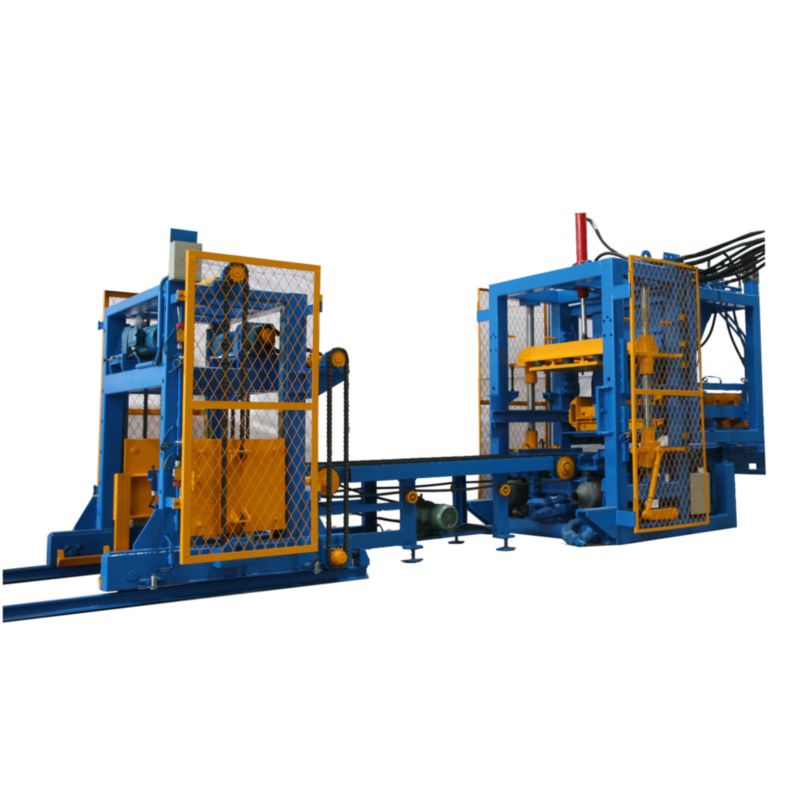
ankehitriny, let's step into the present, fotoana voafaritra amin'ny alàlan'ny fiara ho an'ny fahamendrehana sy ny faharetana. Niova ny resaka avy amin'ny famokarana fotsiny ho amin'ny famokarana manan-tsaina. Eto no idiran'ny milina fanaovana vibration block servo mandeha ho azy tanteraka ao amin'ny fitantarana. Tsy hoe fanatsarana miitatra fotsiny izany fa fieritreretana ifotony ny fomba fanaovana sakana. Amin'ny fanoloana ny taloha, rafitra tsy dia azo fehezina miaraka amin'ny motera servo mandroso, ireo milina ireo dia mampiditra ambaratongam-pahamarinana izay tsy azo noeritreretina teo aloha. Izy ireo no mangina, workhorses manan-tsaina amin'ny orinasa maoderina fitaovana fanorenana, manova ny akora ho vokatra avo lenta miaraka amin'ny tsy fitoviana sy ny fahombiazany. Ity torolalana ity dia hitarika anao amin'ny fiheverana tena ilaina amin'ny fampiasam-bola amin'ity teknolojia fanovana ity, manampy anao handray fanapahan-kevitra izay tsy ho an'ny anio ihany, fa ho an'ny hoavin'ny orinasanao.
Factor 1: Ny fon'ny milina – Fahatakarana Servo Vibration Technology
Ao amin'ny tena fototry ny teknolojia ity dia ny motera servo. Mba hankasitraka ny fiantraikany, tsy maintsy takatsika aloha hoe inona izany ary ahoana no nialany tamin'ireo teo alohany. Think of a standard motor as a light switch—it's either on or off. Ny rafitra hydraulika dia toy ny lever matanjaka nefa somary miadana; afaka mampihatra hery lehibe ianao, fa tsara, sarotra ny fanitsiana haingana. Moto servo, etsy ankilany, is like a sculptor's hand. Izy io dia rotary actuator izay mamela ny fanaraha-maso tsara ny toerana angular, haingana, sy velocity. Izy io dia miasa ao anatin'ny rafitra mihidy, midika izany fa mahazo tamberina foana momba ny toerana misy azy, mamela azy hanitsy tena sy hanao hetsika amin'ny fahamendrehana tsy mampino.
Inona no mampiavaka ny rafitra Servo?
Ao anatin'ny tontolon'ny milina fanaovana sakana, ity precision ity dia manova lalao. Miankina amin'ny fanatanterahana ny fampifangaroana tonga lafatra amin'ny fifangaroan'ny simenitra ao anatin'ny lasitra ny fanamboarana sakana simenitra avo lenta. Izany dia tanterahina amin'ny alalan'ny vibration. na izany aza, tsy ny vibration rehetra no noforonina mitovy. Ny vibration tsara indrindra dia tokony hifanaraka amin'ny karazana aggregate manokana, ny hamandoana, ary ny hakitroky ny sakana irina.
Ny rafitra hydraulika nentim-paharazana na tsotra mekanika vibration matetika dia mitovy habe amin'ny rehetra. Mamokatra matetika sy amplitude raikitra izy ireo, izay mety henjana loatra ho an'ny fitaovana sasany, mitarika ho amin'ny fisarahana ny aggregates, na malemy loatra ho an’ny hafa, miteraka porous, vato malemy.
Rafitra vibration entin'ny servo, na izany aza, dia afaka manova ny fatrany sy ny amplitude amin'ny fotoana tena izy. The machine's control system can be programmed with specific "recipes" ho an'ny vokatra samihafa. Ohatra, mety manomboka amin'ny onjam-peo avo, vibration ambany amplitude mba handaminana ireo poti-javatra tsara, avy eo ny tetezamita mankany amin'ny ambany indrindra, vibration avo lenta mba hampifanaraka ireo aggregate lehibe kokoa, miantoka ny matevina, homogenous block avy any ambony ka hatrany ambany. Ity fahaizana mamorona "profil vibration" izany no mampiavaka ny milina fanaovana vibration block servo mandeha ho azy.
Mampitaha Vibration Technologies
Mba tena mahazo ny tombony, Ny fampitahana mivantana dia mahasoa. Diniho ny fomba voalohany ampiasaina amin'ny vibration amin'ny famokarana sakana.
| endri-javatra | Servo Vibration System | Hydraulic Vibration System | Fiovam-po matetika |
|---|---|---|---|
| Control Precision | Tena avo be; fanaraha-maso mazava ny matetika, amplitude, ary phase. | IVA; sarotra ny manitsy sy manitsy amin'ny fotoana tena izy. | mampitony; afaka manitsy matetika fa tsy ampy fanaraha-maso amplitude. |
| Fotoam-pamaliana | instantaneous; fanombohana haingana, Mijanòna, ary modulation. | MORA; Ny tsy fahampian'ny fluid hydraulic dia miteraka fahatarana. | fifadian-kanina, fa tsy dia mandray andraikitra noho ny rafitra servo. |
| Fahavitan'ny angovo | Avo; mandany hery raha tsy rehefa vita ny asa. | IVA; paompy hydraulic matetika mandeha tsy tapaka, miteraka hafanana fako. | mampitony; mahomby kokoa noho ny hydraulic fa kely noho ny servos. |
| Haavo tabataba | IVA; miasa mangina noho ny fanaraha-maso milamina. | Avo; mitabataba noho ny fiasan'ny paompy hydraulic sy ny valva. | mampitony; Ny tabataban'ny maotera dia miovaova arakaraka ny matetika. |
| fikarakarana | IVA; vitsy kokoa ny ampahany mekanika, tsy misy atahorana ny fisian'ny solika. | Avo; mitaky fisavana tsy tapaka raha misy mitete, Fanovana sivana, ary ny kalitaon'ny menaka. | IVA; mitovy amin'ny motera elektrika mahazatra. |
| tapaka | tsara; mamokatra sakana fanamiana be noho ny mombamomba ny vibration azo averina. | Rariny; Ny kalitao dia mety miovaova noho ny fiovan'ny mari-pana amin'ny fluid hydraulic. | Tsara; tsara kokoa noho ny hydraulic fa tsy mifanaraka amin'ny servo. |
Araka ny asehon'ny tabilao, Ny rafitra servo dia maneho fomba fiasa ambony amin'ny saika ny metrika rehetra manan-danja amin'ny famokarana avo lenta. Ny fahamendrehana dia mitarika amin'ny vokatra tsara kokoa, ny fahombiazana dia mitarika amin'ny fandaniam-bolan'ny asa, ary ny fihenan'ny fikojakojana dia mitarika ho amin'ny fotoana ambony kokoa sy ny tombony.
Ny fiantraika azo ampiharina amin'ny kalitaon'ny sakana
Inona no dikan'io fahamboniana ara-teknika io ho an'ireo bozaka simenitra tena vokarinao? VOALOHANY, midika hery sy hakitroky ambony izany. Amin'ny fanatsarana ny vibration ho an'ny fifangaroan'ny fitaovana manokana, Ny rafitra servo dia miantoka fa mihena ny banga amin'ny rivotra ary zaraina mitovy amin'ny aggregate ny paty simenitra.. Izany dia miteraka vokatra vita izay tsy mahafeno fotsiny fa matetika mihoatra ny fenitry ny indostria momba ny tanjaky ny compressive.
FAHAROA, miantoka ny tsy fitoviana miavaka izany. Whether it's the first block of the day or the ten-thousandth, mitovy foana ny mombamomba ny vibration. Ity fanamiana ity dia tena ilaina ho an'ny mpanao mari-trano sy mpanao trano izay miantehitra amin'ny zava-bita azo vinavinaina. Mampihena ny fako koa izany, satria nihena ny isan'ny blocs nolavina.
Farany, manokatra varavarana ho amin’ny fanavaozana ara-materialy lehibe kokoa izany. Miaraka amin'ny rafitra servo, afaka manandrana mifangaro sarotra sy maharitra ianao, toy ireo izay mampiditra ny isan-jaton'ny akora voadio toy ny lavenona na vera voatoto. The system's precise control can adapt to the unique compaction requirements of these alternative aggregates, zavatra mety ho sarotra amin'ny milina tsy dia be pitsiny.
Factor 2: Mampifanaraka ny Output miaraka amin'ny Ambition - Fahaizana famokarana sy fahaiza-manao
Fampiasam-bola amin'ny a milina fanakanana tanteraka is about matching the machinery's capabilities with your business goals. Ny milina kely loatra dia hanakana ny fitomboana, fa ny iray izay be loatra dia mety hitarika amin'ny fandaniana renivola tsy ilaina sy ny tsy fahombiazan'ny asa. Ny hatsaran'ny milina vibration servo maoderina dia ny karazana modely misy, samy mifanaraka amin'ny mizana miasa.
Fanombanana ny filanao famokarana
Ny dingana voalohany dia ny fanombanana tena misy amin'ny fitakiana ny tsenanao. Moa ve ianao fanombohana mikendry ny hamatsy tetikasa fonenana eo an-toerana, na orinasa efa miorina mitady hanatanteraka fifanarahana ara-barotra sy ara-panjakana lehibe any amin'ireo foibe an-tanàn-dehibe manerana an'i Etazonia, Kanada, na Rosia?
Misy fanontaniana lehibe hodinihina:
- Inona no kendrenao vokatra isan'andro? Matetika izany dia refesina amin'ny isan'ny blocs mahazatra (E.g., 400x200x200 mm na 8x8x16 santimetatra) novokarina tao anatin'ny 8 ora.
- Karazana vokatra inona no hataonao? Ny milina maro samihafa dia tokony ho afaka mamokatra ny zava-drehetra manomboka amin'ny bloc hollow mahazatra sy biriky mafy ka hatramin'ny vokatra manokana toy ny pavers mifamatotra., curbstones (kerbstones), ary taila paving miloko.
- Inona no vinavinao amin'ny fitomboana ho an'ny dimy taona manaraka? Fahendrena matetika ny mampiasa vola amin'ny milina manana fahafaha-manao kely kokoa noho izay ilainao eo noho eo mba handraisana ny fanitarana ho avy nefa tsy mila fampiasam-bola lehibe hafa..
Ny mpanamboatra toa ny REIT, Hawen Machinery, ary i Hongfa dia manolotra milina isan-karazany mahafeno ireo fitakiana samihafa ireo (Hongfa Machine, 2025; HAWEN Machinery, 2025). Ny andalana vokatra dia mamaritra mazava tsara ny fahaizan'ny modely tsirairay, mamela fanapahan-kevitra mifototra amin'ny angona.
Fahatakarana ny maodely milina sy ny vokatra
Ny laharan'ny maodelin'ny milina sakana matetika dia manome fanazavana momba ny fahafahany. Ohatra, anarana modely toy ny "QT10-15" mety manondro fa mamokatra 10 blocs hollow manara-penitra isaky ny bobongolo miaraka amin'ny fotoana tsingerina manodidina 15 segondra. Let's look at a hypothetical comparison of different machine sizes to illustrate this.
| Modely milina | Haben'ny pallet (MG) | Cycle Time (segondra) | Barazy matevina (400x200x200mm) isaky ny Shift 8 ora | Pavers (200x100x60mm) isaky ny Shift 8 ora |
|---|---|---|---|---|
| SAISIE-Level (E.g., QT4-15) | 980 x 560 | 15-22 | ~7,000 | ~25.000 |
| Mid-isan-karazany (E.g., QT8-15) | 980 x 880 | 15-22 | ~15.000 | ~45,000 |
| High-fahafahana (E.g., QT12-15) | 1400 x 880 | 15-22 | ~23,000 | ~70.000 |
| Ultra-Avo-fahaizana (E.g., QT15) | 1400 x 1100 | 15-20 | ~28,800 | ~90,000 |
Fanamarihana: Tombanana ny isan'ny famokarana ary mety miovaova arakaraka ny akora fototra, fahombiazan'ny mpandraharaha, ary ny fametrahana ny zavamaniry.
Ity tabilao ity dia mampiseho ny scalability ny teknolojia. Ny orinasa madinika dia mety manomboka amin'ny modely QT4 na QT6, izay manome vokatra be dia be miaraka amin'ny fampiasam-bola ambany kokoa. Rehefa mitombo ny orinasa, afaka manampy milina lehibe kokoa toa ny QT10 na QT12 izy io mba hahafeno ny fangatahana mitombo. Ny fanalahidy dia ny hoe ny teknolojia fototra - ny vibration servo sy ny fanaraha-maso PLC - dia tsy miova, miantoka ny kalitao manerana ny andalana vokatra rehetra.
Ny maha-zava-dehibe ny lasitra isan-karazany
Ny milina mihitsy dia antsasaky ny equation; ny antsasany kosa dia ny lasitra. Ny tsipika famokarana tena isan-karazany dia iray izay azo ampifanarahana haingana sy mora amin'ny famokarana vokatra samihafa. Rehefa manombana milina, anontanio ny mpanamboatra momba ny dingana fanovana lasitra. Amin'ny rafitra mandroso, izany matetika dia azo tanterahina ao ambany 30 minitra, fampihenana ny fotoana fitsaharana eo anelanelan'ny famokarana.
Ny lasitra avo lenta dia fampiasam-bola tena ilaina. Matetika izy ireo dia vita amin'ny vy matanjaka ary mandalo fitsaboana hafanana manokana sy dingana carburizing mba hanoherana ny fanerena mafy sy ny abrasion ny famokarana simenitra.. Lasitra vita tsara avy amin'ny mpamatsy malaza toy ny Milina reit hihazona ny fahamarinan'ny refy mandritra ny tsingerina an'hetsiny, miantoka fa ny sakananao dia mitovy foana. Mora kokoa, Ny bobongolo ambany kalitao dia mety ho simba haingana, mitarika amin'ny haben'ny vokatra tsy mifanaraka sy ny fanoloana lafo. Ny fahafahana mamokatra vokatra be dia be — manomboka amin'ny biriky tsotra ka hatramin'ny sarotra, pavers maro loko — izany no ahafahan'ny orinasa iray mampiovaova ny fidiram-bolany ary mampifanaraka ny fironan'ny tsena.
Factor 3: Ny atidohan'ny fampandehanana - Rafitra fanaraha-maso sy automatique marina
Raha ny motera servo no fon'ny milina, avy eo ny Programmable Logic Controller (PLC) no atidohany. Ny teny hoe "automatique tanteraka" dia ampiasaina matetika, fa mety miovaova ny dikany. Amin'ny rafitra maoderina tokoa, midika hoe tsy misy dikany izany, dingana mitambatra manomboka amin'ny fampidirana akora manta mankany amin'ny vokatra fonosina farany, rehetra voarindra amin'ny rafitra fanaraha-maso be pitsiny miaraka amin'ny fandraisan'anjaran'olombelona faran'izay kely.
Ny andraikitry ny PLC
Ny PLC dia solosaina indostrialy manjavozavo izay mifehy ny filaharan'ny famokarana manontolo. Mahazo fidirana avy amin'ny sensor isan-karazany manerana ny tsipika izy io - toy ny sensor hamandoana ao anaty mixer, sensor toerana eo amin'ny conveyor fehikibo, ary ny fanerena fanerena ao amin'ny rafitra hydraulika-ary mandray fanapahan-kevitra amin'ny fotoana tena izy mba hitazonana ny fizotran'ny fandehanana milamina sy mahomby.
Matetika ny mpanamboatra milina sakana ambony dia mampiasa PLC avy amin'ny marika eran-tany toa an'i Siemens na Mitsubishi. Ity dia antsipiriany manan-danja ho an'ny mpividy amin'ny tsena toa an'i Etazonia, Kanada, sy Korea Atsimo, izay tena tsara ny fanohanana ara-teknika eo an-toerana sy ny fisian'ny kojakoja ho an'ireo marika ireo. Ny fampiasana marika PLC malaza dia miantoka ny fahamendrehana ary manamora ny famahana olana.
Ny interface interface ho an'ny PLC dia matetika lehibe, intuitive touchscreen. Avy amin'ity console afovoany ity, afaka ny mpandraharaha:
- Fidio ny fomba fanamboarana vokatra irina.
- Araho ny lafiny rehetra amin'ny tsipika famokarana amin'ny fotoana tena izy (E.g., entana mixer, Fotoana fihodinana, isa ny vokatra).
- Raiso ary fantaro ny fanairana fahadisoana. Ny rafitra maoderina maro dia ahitana fitaovana fitiliana avo lenta izay afaka manondro ny tena antony mahatonga ny olana, mampihena be ny fotoana famahana olana (WeiXing Machinery, 2025).
- Amboary ny mari-pamantarana famokarana araka izay ilaina.
Ny rafitra mandroso sasany aza dia manolotra fahafahana fanampiana lavitra. Raha misy olana izay tsy afaka mamaha ny opérateur eo an-toerana, a technician from the manufacturer can log into the machine's PLC remotely to diagnose the issue and guide the repair process. Tena sarobidy io haavon'ny fanohanana io, indrindra ho an'ny orinasa any amin'ny faritra lavitra ara-jeografika.
Inona no "Fuly Automatic" Tena midika
Ny tsipika famokarana mandeha ho azy tena izy dia misy dingana maromaro mifamatotra:
- Automatic Batching sy Mixing: Manomboka eo amin'ny orinasa batching ny dingana. Mifototra amin'ny recipe voafantina, ny PLC dia mandanja tsara ny habetsaky ny fasika ilaina, vatokely, simenitra, ary ny additives rehetra (toy ny pigment ho an'ny pavers miloko). Ireo fitaovana ireo dia entina any amin'ny mixer. Ny sensor hamandoana ao amin'ny mixer dia miantoka fa ny habetsahan'ny rano dia ampiana mba hahazoana ny tsy fitoviana tsara indrindra.
- Fitaterana ara-pitaovana: Rehefa afangaro ny simenitra, ny rafitra conveyor fehin-kibo mandeha ho azy ho any amin'ny hopper ny milina fanaovana sakana lehibe.
- Block Forming: Mandray ny milina lehibe, famahanana ho azy ny fitaovana ao anaty lasitra, manatanteraka ny filaharan'ny vibration servo voaprograma, ary manindry ireo sakana.
- Fikarakarana sy fametahana pallet: Ny vao niforona, "maitso" Ny sakana eo amin'ny pallet famokarana dia avoaka ho azy avy eo amin'ny milina. Sehatra automatique, na "Elevator," manainga sy manambatra ireo pallets ireo, matetika hatramin'ny 10 sosona avo.
- nanasitrana: Ny "finger car" na mamindra fiara avy eo dia alaivo ny pallets iray manontolo ary afindrany any amin'ny efitrano fitsaboana na faritra, izay hihamafy ny sakana amin'ny manaraka 12-24 ORA. Ny rafitra dia manara-maso izay sakana niditra tamin'ny fotoana, miantoka ny fidirana voalohany, dingana voalohany.
- Cubing sy fonosana: Taorian'ny fanasitranana, Ny fiaran'ny rantsantanana dia maka ny stacks ary mitondra azy ireo amin'ny "cuber" na "de-stacker." Ity fitaovana ity dia manala ny pallets, manasaraka ny blocs sitrana amin'ny pallet, ary mandamina azy ireo ho amin'ny famaranana, cube vonona ny fitaterana. Ny pallets foana dia diovina ho azy, menaka, ary niverina tany amin'ny milina lehibe hanombohana indray ny tsingerina. Ny goba vita amin'ny blocs dia azo amboarina ho azy avy eo na afatotra ho an'ny fandefasana.
Ity dingana manontolo ity, manomboka amin'ny aggregate manta ka hatramin'ny baoritra voafono, dia mitranga amin'ny mpanara-maso iray na roa ihany no manara-maso ny tontonana fanaraha-maso. Iray amin'ireo tombontsoa ara-toekarena manan-danja indrindra amin'ny rafitra mandeha ho azy tanteraka io fampihenana be ny asa io. Tsy vitan'ny fampidinana ny vidin'ny karama izany fa manafoana ihany koa ny tsy fitovian-kevitra sy ny mety ho fahadisoana mifandray amin'ny asa tanana.
Factor 4: Naorina hatramin'ny farany – Fanamboarana milina, Faharetana, ary Mold Integrity
Ny milina fanaovana vibration servo mandeha ho azy tanteraka dia fampiasam-bola manan-danja antenaina hanatanteraka azo antoka mandritra ny am-polony taona maro.. Ny faharetany sy ny fahombiazany dia mifamatotra mivantana amin'ny kalitaon'ny fanamboarana azy sy ny fitaovana ampiasaina. Rehefa manombana milina, tsy maintsy mijery any ivelan'ny fepetra ambonimbony sy mandinika ny injeniera fototra sy ny siansa ara-materialy izay manohana ny famolavolana azy. Hevero ho toy ny fanombanana ny fototry ny trano iray izany; tsy misy fototra mafy orina, ny zavatra hafa rehetra dia levona.
Ny maha-zava-dehibe ny rafitra mavesatra
Ny rafitry ny milina sakana dia ny taolany, ary tsy maintsy matanjaka tsara ka mahatohitra ny herim-po sy fanerena goavana sy mitohy. Ny milina avo lenta dia manana endrika mavesatra, matetika vita amin'ny vy matanjaka, toy ny Q235 na manganese vy firaka. Mitadiava frame izay welded mampiasa teknika avo lenta (toy ny welding robotic ho an'ny tsy fitoviana) ary avy eo iharan'ny fitsaboana hafanana manalefaka ny adin-tsaina. Ity dingana ity dia manala ny adin-tsaina anatiny amin'ny welding, manakana ny rafitra tsy hikorontana na vaky mandritra ny taona maro niasana. A henjana, stable frame dia tsy momba ny faharetana fotsiny; tena ilaina amin'ny fitazonana ny firindrana tsara eo amin'ny bobongolo sy ny lohan'ny mpanao gazety, izay tena ilaina amin'ny famokarana sakana marina amin'ny lafiny. Ny rafitra manjavozavo dia hivezivezy eo ambany fanerena, mitarika amin'ny haavon'ny sakana tsy mifanaraka sy ny fitafy aloha loatra amin'ny kojakoja mihetsika.
Fanaraha-maso ny singa: Avy amin'ny Hydraulics mankany amin'ny Bearings
Raha ny rafitra servo no mitondra ny vibration, Ny ankamaroan'ny milina lehibe dia mbola miantehitra amin'ny rafitra hydraulic ho an'ny hetsika fanerena mahery vaika sy hetsika hafa. Ny kalitaon'ireo singa hydraulic ireo no zava-dehibe indrindra. Ny mpanamboatra malaza dia mampiditra singa avy amin'ny marika hajaina iraisam-pirenena. Ohatra, Mety hahita valves hydraulic avy amin'ny Yuken ianao (Japana) na Rexroth (Alemaina), ary tombo-kase avy amin'i Parker (USA). Ny fampiasana singa premium dia miantoka ny fahamendrehana, mampihena ny mety hisian'ny fivoahana, ary manamora ny fikojakojana, satria ny piesy dia mora azo eran-tany.
Toy izany koa no mihatra amin'ny singa mekanika sy elektrika hafa rehetra. Ny bearings dia tokony ho avy amin'ny mpanamboatra malaza toa ny SKF na NSK. Fitaovana elektrika, switches, ary ny contactors dia tokony avy amin'ny marika toa an'i Schneider Electric na Omron. Ny fampiasana kalitao avo lenta, Ny singa amin'ny marika dia famantarana matanjaka fa tsy nanapa-kevitra ny mpanamboatra ary manolo-tena amin'ny fananganana milina maharitra maharitra (Titan Machinery, 2025).
lasitra: Ny Interface Critical
Ny bobongolo no misy ny majika. Izy io no singa mamolavola mivantana ny vokatra farany, ary ny kalitaony dia misy fiantraikany amin'ny asa manontolo. Araka ny noresahina teo aloha, Ny bobongolo dia tsy maintsy sady mafy no henjana—sarotra ny hanoherana ny fiharatsian'ny simenitra, ary henjana amin'ny fiatraikany miverimberina sy ny hovitrovitra tsy misy vaky.
Ny dingana famokarana lasitra ambony dia misy dingana lehibe maromaro:
- Fifantenana fitaovana: Manomboka amin'ny vy firaka avo lenta dia tsy azo ifanarahana.
- Precision Machining: Ny lavaka bobongolo dia vita amin'ny fandeferana faran'izay henjana amin'ny fampiasana CNC (Computer Numerical Control) fitaovana mba hahazoana antoka fa mitovy ny sakana tsirairay.
- Fitsaboana hafanana: Ity no dingana manan-danja indrindra. Ny lasitra dia mandalo dingana fehezina tsara amin'ny hafanana sy ny fampangatsiahana, matetika ahitana carburizing na nitriding. Ny carburizing dia mampiditra karbaona eo amin'ny toeran'ny vy, mamorona sosona ivelany tena mafy (matetika mihoatra ny hamafin'ny Rockwell amin'ny HRC60) raha mitazona mafy kokoa, core ductile kokoa. Ity "cas hardening" manome ny fampifangaroana tsara indrindra amin'ny fanoherana ny akanjo sy ny hamafin'ny fracture.
- Fitotoana farany sy fanosorana: Ny atin'ny lasitra dia nototoina ary nolokoina mba ho malama. Izany dia tsy vitan'ny hoe miantoka ny famotsorana madio ny sakana, fa koa manampy amin'ny famaranana tsara kokoa amin'ny vokatra farany.
Rehefa miresaka lasitra amin'ny mpanamboatra, anontanio ny momba ny fomba fitsaboana hafanana manokana sy ny androm-piainan'ny bobongolo amin'ny resaka tsingerin'ny famokarana. Ny fampiasam-bola amin'ny lasitra avo lenta dia mety manana vidiny ambony kokoa, fa handoa ho azy imbetsaka amin'ny alàlan'ny fampihenana ny fotoana fitsaharana, kalitao vokatra tsy miovaova, ary ny fiainana fanompoana lava kokoa.
Factor 5: Ny Equation Ara-toekarena – Fahombiazan'ny Angovo sy Vidin'ny Fampandehanana maharitra
Ny vidin'ny fividianana voalohany amin'ny milina fanaovana vibration servo mandeha ho azy tanteraka dia ampahany iray amin'ny vidin'ny fananana.. Over the machine's lifespan, izay mety ho 15 ny 20 taona na mihoatra, ny fandaniana amin'ny fampandehanana—indrindra ny angovo sy ny asa—dia ho ampahany lehibe amin'ny fandaniana ankapobeny. Ny tombony lehibe amin'ny milina mandeha amin'ny servo maoderina dia ny fahafahan'izy ireo mampihena be ireo fandaniana mitohy ireo, mitarika ho amin'ny fiverenana matanjaka kokoa amin'ny fampiasam-bola.
Ny hery mitsitsy angovo an'ny Servo Technology
Mba hankasitraka ny fahombiazan'ny rafitra servo, tsy maintsy mamerina mijery ny fampitahana amin'ny rafitra hydraulic mahazatra isika. Fonosana herinaratra hydraulic lehibe, izay mitondra ny vibration sy ny fanerena amin'ny milina tranainy, dia malaza tsy mahomby. Ny motera elektrika lehibe mitondra ny paompy hydraulika matetika dia mandeha tsy tapaka, na dia tsy miasa eo anelanelan'ny tsingerina aza ny milina. Mandany herinaratra be io asa tsy tapaka io ary miteraka hafanana fako, izay mety mitaky angovo fanampiny mihitsy aza mba hialana amin'ny rafitra fampangatsiahana.
Moto servo, amin'ny maha-izy azy, dia manan-tsaina lavitra kokoa amin'ny fampiasana ny heriny. Manaraka ny foto-kevitry ny “power on demand” izany." Ny maotera dia tsy mahazo hery lehibe afa-tsy mandritra ny fotoana fohy mazoto manao asa—manafaingana, tadin, na mihena. Nandritra ny sisa amin'ny tsingerin'ny famokarana (E.g., raha ampidirina ao anaty lasitra ilay akora na avoaka ny sakana vita), ny motera servo dia ao anatin'ny toetry ny standby ambany.
Araka ny filazan'ny mpanamboatra sasany, Ny fananganana rafitra mitambatra electro-hydraulic miaraka amin'ny teknolojia servo dia afaka mampitombo ny fahafaha-manao amin'ny 10-15% raha ny asa fanombohana intellectualized dia afaka manatsara ny fahombiazan'ny 20% (WeiXing Machinery, 2025). Rehefa mandeha tsy tapaka ny milina mpampiantrano iray raha mandeha tsindraindray ny motera hafa, izany dia miantoka ny fanjifana angovo amin'ny ankapobeny (Reit, 2025). Mety ho lehibe ny fitsitsiana angovo mitambatra mandritra ny herintaona amin'ny fiasana roa-miovaova, matetika mitentina an'aliny dolara ho an'ireo orinasa any amin'ny faritra misy sarany avo lenta.
Mampihena ny asa: Dividend ny Automation
Ny sehatra faharoa lehibe amin'ny fitsitsiana amin'ny asa dia ny asa. Ny tsipika famokarana semi-automatique na manual block dia karazana hetsika, mitaky ekipa mpiasa amin'ny asa isan-karazany:
- Opérateur ho an'ny mixer.
- Opérateur ho an'ny milina bloc lehibe.
- Mpiasa maromaro no mamindra amin'ny tanana ireo sakana maitso amin'ny palety ho any amin'ny faritra fanasitranana.
- Mpiasa maromaro indray no manaisotra ny pallets efa sitrana ary mametraka azy ireo amin'ny tanana.
Mety mitaky izany dingana rehetra izany 8 ny 12 olona isaky ny shift. Mifanohitra, tsipika mandeha ho azy tanteraka, araka ny voalaza ao amin'ny Factor 3, afaka mitantana fotsiny 2 ny 3 olona isaky ny shift. Ireo dia mpanara-maso mahay mazàna izay manara-maso ny rafitra mandeha ho azy avy amin'ny efitrano fanaraha-maso fa tsy manao asa an-tànana mafy..
Any amin'ny firenena toa an'i Etazonia, Kanada, sy Korea Atsimo, izay lafo ny vidin'ny asa, tombony ara-toekarena goavana io fampihenana io. Tsy vitan'ny hoe mampidina ny karama izy io fa mampihena ihany koa ny fanamby mifandraika amin'ny fandraisana mpiasa, Training, ary mitantana mpiasa lehibe. Manatsara ny fiarovana ny toeram-piasana ihany koa izy io amin'ny fanafoanana ny ankamaroan'ny fikarakarana fitaovana mavesatra amin'ny tanana.
Vidin'ny fikojakojana sy ny ora fiasana
Ny fahamendrehan'ny milina dia misy fiantraikany mivantana amin'ny tombom-barotra. Isaky ny ora fiatoana tsy voalamina dia adiny iray amin'ny famokarana sy ny fidiram-bola very. Ny famolavolana milina entin'ny servo dia manampy amin'ny fotoana ambony kokoa sy ny vidin'ny fikojakojana ambany kokoa.
- Vitsy ny kojakoja fitafy: Ny rafitra vibration servo dia manana singa mekanika vitsy kokoa raha oharina amin'ny oscillator mekanika na hydraulic sarotra. Tsy misy fantsona hydraulic mitete, valva tsentsina, na menaka voaloto hanahy momba ny rafitra hovitrovitra.
- Ny fikojakojana mialoha: Ny rafitra PLC avo lenta dia afaka manara-maso ny fahombiazan'ny singa ary mampitandrina ireo mpandraharaha amin'ny olana mety hitranga alohan'ny hahatongavany amin'ny tsy fahombiazan'ny loza. Ohatra, the system might track the motor's temperature and current draw, famantarana ny fivilian-dalana izay mety manondro ny tsy fahombiazana mitondra ho avy.
- Ahena ny fandoroana: Ny malama, controlled motion of servo motors reduces shock and impact on the machine's frame and other components, mitarika ho amin'ny fiainana fanompoana manontolo andro.
Amin'ny alàlan'ny fampifangaroana ireo fitsitsiana maharitra amin'ny angovo, asa, ary fikojakojana, ny raharaha ekonomika ho an'ny a tsipika famokarana simenitra avo lenta lasa manery, na dia ambony noho ny an'ny milina tsy dia mandroso aza ny vidin'ny fividianana voalohany.
Factor 6: Ny singa maha-olombelona - Misafidiana mpanamboatra sy manome lanja ny fanohanana
Ao amin'ny tontolon'ny milina indostrialy sarotra, tsy tapitra ny fifampiraharahana rehefa aterina ny fitaovana. Amin'ny fomba maro, vao fiandohan'ny fiaraha-miasa maharitra eo aminao sy ny mpanamboatra izany. Ny kalitaon'ity fiaraha-miasa ity, defined by the manufacturer's reputation, fanohanana aorian'ny varotra, ary ny fahaizana teknika, dia tena zava-dehibe amin'ny fahombiazanao toy ny kalitaon'ny milina mihitsy. Ny milina mahafinaritra avy amin'ny mpamatsy tsy azo itokisana dia mety ho lasa tompon'andraikitra haingana, fa ny milina matanjaka tohanan'ny fanohanana tsara dia tena fananana.
Fikarohana ny lazan'ny mpanamboatra
Alohan'ny hifandraisana amin'ny mpamatsy, tena ilaina ny manao fandinihan-tena lalina. Mifaninana ny tsena manerantany amin'ny milina fanaovana sakana, miaraka amin'ireo mpanamboatra malaza any amin'ny firenena toa an'i Shina, Alemaina, ary Etazonia. Mpanamboatra sinoa, manokana, lasa mpilalao lehibe, fantatra amin'ny fampifangaroana ny teknolojia avo lenta amin'ny vidiny mifaninana (Reit, 2025).
Here are some steps to evaluate a manufacturer's reputation:
- Taona tao amin'ny Business sy Global Reach: Mitadiava orinasa efa tao amin'ny indostria nandritra ny vanim-potoana manan-danja, toy ny Hongfa Group, izay naorina tao 1990 (Hongfa Machine, 2025). Ny tantara lava dia matetika manondro ny fahamarinan-toerana sy ny traikefa. Jereo hoe firy ny firenena nanondranany; ny dian-tongotra maneran-tany dia milaza fa mahay mitantana lozisialy iraisam-pirenena izy ireo ary mahafeno ny fenitra isan-karazany.
- Fijoroana vavolombelona ho an'ny mpanjifa sy fandalinana tranga: Ireo mpanamboatra malaza dia hampiseho amim-pireharehana ny fametrahana azy ireo mahomby. Mitadiava fanadihadiana momba ny tranga na fijoroana vavolombelona video avy amin'ny mpanjifa, tsara kokoa ny avy amin'ny faritra misy anao (E.g., Amerika Avaratra, Rosia). These provide real-world insights into the machine's performance and the customer's experience with the supplier.
- Fanamarinana sy antoka kalitao: Hamarino ny fanamarinana iraisam-pirenena toy ny ISO 9001 (ho an'ny rafitra fitantanana kalitao) ary inona (ho fanarahana ny fahasalamana eoropeanina, fiarovana, ary ny fenitra momba ny tontolo iainana). Ireo dia manondro ny fanoloran-tena ho manara-penitra, dingana famokarana avo lenta.
- Firafitry ny orinasa: Orinasa ampahibemaso ve ny mpanamboatra? Ohatra, REIT dia sampan'ny orinasa voatanisa ao amin'ny NASDAQ, izay afaka manampy sosona mangarahara sy fitoniana ara-bola (be.linkedin.com).
Ny maha-zava-dehibe ny fanohanana aorian'ny varotra
Ny fanohanana aorian'ny varotra no tena mampiavaka ny mpanamboatra tsara. Ity rafitra fanohanana ity dia tokony ho feno sy mandray andraikitra.
Ny lafiny manan-danja amin'ny serivisy aorian'ny varotra matanjaka dia misy:
- Fametrahana sy fametrahana: Ny mpanamboatra dia tokony handefa teknisianina za-draharaha any amin'ny orinasanao mba hanara-maso ny fametrahana, naniraka, ary fanombohana voalohany ny tsipika famokarana. Izany dia miantoka fa ny zava-drehetra dia voalamina tsara manomboka amin'ny andro voalohany.
- Fanofanana mpandraharaha: Ireo teknisiana ireo dia tokony hanome fiofanana feno ho an'ny mpandraharaha eo an-toerana sy ny mpiasan'ny fikojakojana. Ity fiofanana ity dia tsy tokony ho tafiditra amin'ny fampandehanana ny milina isan'andro ihany fa ny fomba fikojakojana mahazatra sy ny famahana olana fototra. Ny ekipa voaofana tsara no fiarovana voalohany anao amin'ny fotoana fitsaharana.
- Fividianana kojakoja: Na ny milina tsara indrindra aza dia mila kojakoja ilaina amin'ny farany. Ny mpanamboatra tsara dia hihazona trano fitehirizana kojakoja feno entana ary manana rafitra mahomby amin'ny fandefasana kojakoja maneran-tany. Ny mpanamboatra sasany dia mametraka biraon'ny serivisy sy kojakoja isam-paritra any amin'ny tsena lehibe mba hanomezana fanohanana haingana kokoa.
- Fanohanana ara-teknika Hotline sy Diagnostika lavitra: Tokony hanana fidirana amin'ny ekipa mpanohana ara-teknika mandray andraikitra amin'ny alàlan'ny telefaona ianao, mailaka, na fampiharana hafatra toy ny WhatsApp. Araka ny voalaza teo aloha, the ability for technicians to remotely access the machine's PLC can be a game-changer for rapid problem-solving.
Rehefa mampiasa vola amin'ny milina ianao, ianao koa dia mampiasa vola amin'ny ekipan'ny olona mijoro ao ambadik'izany. Aza atao ambanin-javatra ny lanjan'io singa maha-olombelona io eo amin'ny dingan'ny fandraisana fanapahan-kevitra.
Factor 7: Fanamarinana ny fampiasam-bola - Torolàlana azo ampiharina amin'ny kajy ROI
Ny milina fanaovana vibration servo mandeha ho azy tanteraka dia fampiasam-bola stratejika, ary toy ny fanapahan-kevitra lehibe rehetra momba ny raharaham-barotra, tsy maintsy hamarinina amin’ny vinavina ara-bola mazava. Kajy ny mety ho fiverenana amin'ny fampiasam-bola (roy) tsy fanazaran-tena akademika fotsiny; fitaovana tena ilaina amin'ny fiarovana ny famatsiam-bola izany, mandresy lahatra ny mpandray anjara, ary manangana raharaham-barotra azo antoka. Ny famakafakana ROI mety dia mamindra ny fanapahan-kevitra tsy hiorina amin'ny "vidiny" mifototra amin'ny "value and profitability"."
Manangona ny fidirana ara-bola fototra
Kajy ROI, mila manangona angon-drakitra momba ny vidin'ny fampiasam-bola sy ny tombony ara-bola novinavinaina ianao.
1. Tontalin'ny fampiasam-bola (Ny "I" amin'ny ROI):
- Vidin'ny milina: Ny vidiny voalaza ho an'ny tsipika famokarana feno, anisan'izany ny orinasa batching, mixeur, milina lehibe, stacker, sy cuber.
- Fandefasana sy Logistics: Vidin'ny fitaterana ny milina avy amin'ny mpanamboatra mankany amin'ny tranokalanao.
- Hetra fanafarana sy hetra: Ireo dia mety ho manan-danja ary miovaova arakaraka ny firenena.
- Vidin'ny fametrahana sy ny fotodrafitrasa: Tafiditra ao anatin’izany ny sandan’ny fanomanana ny toeram-pamokarana, fandatsahana fototra simenitra, ary mitondra ny fitaovana ilaina (fahefana, rano).
- Vidin'ny fanofanana: Any costs associated with sending your team for training or for the manufacturer's technicians to be on-site.
- Fonosana kojakoja voalohany: Fahendrena ny mividy kojakoja ilaina ilaina miaraka amin'ilay milina.
2. Ny tombony azo amin'ny net (Ny "R" amin'ny ROI): Kajy izany amin'ny fampitahana ny scenario fampandehanana amin'ny milina vaovao amin'ny fiasanao ankehitriny (na safidy semi-automatique baseline).
- Nitombo ny vola miditra avy amin'ny vokatra avo kokoa:
- Kajy ny isan'ny bloc/pavers fanampiny azonao amboarina isan'andro.
- Ampitomboy izany amin'ny vidin'ny varotrao isaky ny sakana hahitanao ny fidiram-bola fanampiny isan'andro.
- Fitsitsitsitsitsitsitsitsitsitsitsitsy amin'ny asa ahena:
- Kajy ny totalin'ny karama isan-taona (anisan'izany ny tombontsoa) ho an'ny mpiasa izay hisolo ny tsipika mandeha ho azy.
- Fitsitsitsitsitsitsitsitsitsitsy amin'ny fanjifana angovo ambany:
- Tombanana ny fitsitsiana kWh isan'andro an'ny milina servo raha oharina amin'ny maodely taloha.
- Ampitomboy izany amin'ny vidinao isaky ny kWh hahitana ny fitsitsiana angovo isan'andro.
- Fitsitsitsitsitsitsitsitsitsitsy amin'ny fako fitaovana ahena:
- Tombantombana ny isan-jaton'ny fihenan'ny blocs nolavina ary ampitomboy amin'ny vidin'ny fitaovana isaky ny sakana.
Ny formula kajy ROI
Ny formula fototra ho an'ny ROI dia:
roy (%) = ( (Tombom-bola – Tontalin'ny fampiasam-bola) / Tontalin'ny fampiasam-bola ) x 100
Ny metrika azo ampiharina kokoa ho an'ity karazana fampiasam-bola ity dia ny Vanim-potoana fandoavam-bola, izay milaza aminao ny faharetan'ny fampiasam-bola handoavana ny tenany.
Vanim-potoana fandoavam-bola (amin'ny taona) = Tontalin'ny fampiasam-bola / Mahazo tombony isan-taona
Let's walk through a simplified example:
- Tontalin'ny fampiasam-bola: $500,000
- Mahazo tombony isan-taona:
- Fidirana fanampiny (avy amin'ny vokatra avo kokoa): $200,000
- Savings momba ny asa (8 vitsy kokoa ny mpiasa): $320,000
- Tahiry angovo: $20,000
- Savings fampihenana ny fako: $10,000
- Total tombony isan-taona: $550,000
- Vidiny fanampiny isan-taona (fikarakarana, Sns): -$50,000
- Mahazo tombony isan-taona: $500,000
Kajy fe-potoana fandoavam-bola: $500,000 (Vidin'ny fampiasam-bola) / $500,000 (Mahazo tombony isan-taona) = 1 TAOM-
Amin'ity toe-javatra hypothetical ity, ny milina dia mandoa ho azy ao anatin'ny herintaona monja. Aorian'izay, ny $500,000 annual net gain contributes directly to the company's bottom line.
Na dia ohatra notsorina aza ity, izany dia mampiseho ny lojika ara-toekarena matanjaka ao ambadiky ny fampiasam-bola amin'ny automatique. Amin'ny alàlan'ny fampandehanana ara-dalàna ireo kajy ireo miaraka amin'ny angona manokana momba ny orinasanao sy ny tsenanao, afaka mamorona vinavina ara-bola maharesy lahatra sy tena misy ianao. A reputable manufacturer should be able to assist you with this process by providing accurate data on their machine's energy consumption and typical production rates.
Fanontaniana matetika (FAQ)
1. Inona no fahasamihafana lehibe eo amin'ny vibration servo sy ny rafitra hydraulika? Ny fahasamihafana voalohany dia ny fifehezana. Ny rafitra vibration servo dia mampiasa motera servo elektrika izay mamela mazava tsara, fanaraha-maso amin'ny fotoana tena izy amin'ny matetika sy ny amplitude amin'ny vibration. Izany dia mamela ny famoronana profil vibration ho an'ny fitaovana samihafa, ka mahatonga ny hakitroky sy ny firindrana ambony kokoa. Ny rafi-pandrefesana hydraulika dia mampiasa ny fikorianan'ny solika mba hamoronana vibration, izay tsy dia mazava loatra, miadana kokoa ny mamaly, ary tsy dia mitsitsy angovo.
2. Ohatrinona ny vidin'ny milina servo vibration automatique feno? The price varies significantly based on the machine's capacity, haavon'ny automatique, marika, ary misy fitaovana fanampiny (toy ny batching plant sy cubers). Kely kokoa, Ny tsipika mandeha ho azy amin'ny ambaratonga fidirana dia mety manomboka amin'ny salan'isa $80,000 ny $150,000 USD, raha lehibe-capacité, mety hihoatra ny andalana famokarana avo lenta avy amin'ireo mpanamboatra ambony $500,000 USD. Tena ilaina ny maka quote amin'ny antsipiriany mifototra amin'ny fepetra takian'ny famokarana manokana anao.
3. Inona no akora azo ampiasaina amin'ireo milina ireo? Ireo milina ireo dia tena maro samihafa ary afaka mampiasa fitaovana isan-karazany. Ny fangaro mahazatra indrindra dia ahitana simenitra, fasika, Vato potika (aggregate), ary rano. na izany aza, mety tsara ihany koa izy ireo amin'ny fampidirana fitaovana maharitra sy fako toy ny lavenona (vokatra avy amin'ny orinasa mpamokatra saribao), tain-drendrika, fanamboarana fanorenana, ary ny tailings ahy. Ny fanaraha-maso marina ny rafitra vibration servo dia mahomby indrindra amin'ny fametahana ireo fitaovana tsy dia mahazatra ireo.
4. Firy ny mpiasa ilaina mba hampandeha ny tsipika mandeha ho azy tanteraka? Tena tsipika famokarana mandeha ho azy tanteraka, manomboka amin'ny batching ka hatramin'ny cubing, afaka miasa sy manara-maso fotsiny 2 ny 4 olona isaky ny shift. Ny andraikitr'izy ireo dia ny manara-maso ny rafitra fanaraha-maso, mitantana ny fandaharam-pamokarana, ary manaova fanamarinana kalitao, fa tsy manao asa tanana. Izany dia fihenam-bidy lehibe avy amin'ny 8-12 mpiasa matetika no takiana amin'ny tsipika semi-automatique.
5. Maharitra hafiriana ny fanovana ny lasitra mba hamokarana karazana sakana hafa? Amin'ny maoderina, milina voalamina tsara, ny dingana fanovana lasitra dia streamline mba hampihenana ny downtime. Ny ekipa efa za-draharaha dia afaka manova lasitra amin'ny ankapobeny 20 ny 40 minitra. Ity fahafaha-miova haingana ity dia ahafahan'ny orinasa iray mamaly be ny fitakian'ny tsena, mora mifamadika eo amin'ny famokarana blocs hollow, biriky mafy, ary karazana pavers isan-karazany amin'ny andro iray ihany.
6. Inona ny androm-piainan'ny milina sakana avo lenta? Ny milina fanakanana mandeha ho azy tanteraka voakarakara tsara avy amin'ny mpanamboatra malaza dia naorina ho ela velona. Miaraka amin'ny fikojakojana araka ny tokony ho izy isan'andro sy fanoloana kojakoja fitafy, ny rafitra fototra sy ny rafitra dia afaka manana fiainana miasa amin'ny 15 ny 25 taona na lava kokoa. Ny mpanamboatra sasany dia manana milina izay mbola mandeha tsara aorian'ny famokarana mitohy mandritra ny folo taona mahery.
7. Afaka mamokatra pavers miloko ve ireo milina ireo? ENY, tanteraka. Mba hamokarana pavers miloko, ny tsipika famokarana dia misy fitaovana faharoa, mixer kely sy "face mix" unit. Ity vondrona ity dia manampy sosona manify amin'ny simenitra miloko (mampiasa pigment) mankany an-tampon'ny sakana ao anaty lasitra alohan'ny fanerena farany. Izany dia miteraka durable, ambonin'ny miloko marevaka nefa tsy mila miloko ny sakana manontolo, izay lafo kokoa.
Hevitra farany momba ny fampiasam-bola mandroso
Ny fisafidianana ny hampiasa vola amin'ny milina fanaovana vibration block servo mandeha ho azy dia mihoatra noho ny fividianana fotsiny; fanapahan-kevitra stratejika momba ny lalan'ny orinasanao ho avy izany. Fanoloran-tena amin'ny fahamendrehana izany, fahombiazana, sy ny kalitao. Mila fandinihana tsara ny teknolojia ny lalana, fahafahana, faharetana, ary ny tanjaky ny mpiara-miasa aminao amin'ny famokarana. Amin'ny fandanjana ireo lafin-javatra ireo, tsy mividy fitaovana fotsiny ianao. Mahazo rafitra famokarana saro-takarina ianao afaka manandratra ny vokatrao, fampihenana ny saram-piasanao, ary mametraka ny orinasanao ho mpitarika eo amin'ny tsenan'ny fitaovam-panorenana maoderina. Zava-dehibe ny fampiasam-bola voalohany, fa ny fiverenana - amin'ny endrika vokatra ambony, tombony ambony kokoa, ary fampandehanana maharitra kokoa—afaka mamaritra indray izay mety ho an'ny orinasanao.
References
- HAWEN Machinery. (2025). Machine block betonika mandeha ho azy, tsipika famokarana biriky hollow. Hawenblockmachine.com. Nalaina avy amin'ny
- Hongfa Machine. (2025). Mpanamboatra milina fanamboarana biriky sy biriky. Hfbrickmachine.com. Nalaina avy amin'ny
- REIT Automatic Block Machine. (2025). Momba anay. Linkedin. Nalaina avy amin'ny https://be.linkedin.com/company/reitmachine?trk=ppro_cprof
- Reit. (2025). Masinina fanaovana simenitra mandeha ho azy tanteraka. Reitmachine.com. Nalaina avy amin'ny https://www.reitmachine.com/product-category/automatic-block-making-machine/
- Reit. (2025). Inona no atao hoe milina sakana ary nahoana i Shina no mitarika ny indostria. Reitmachine.com. Nalaina avy amin'ny https://www.reitmachine.com/2025/04/18/what-is-a-block-machine-and-why-china-is-leading-the-industry/
- Titan Machinery. (2025). mamorona & fitaovana fampifangaroana. Titan-machinery.com. Nalaina avy amin'ny
- WeiXing Machinery. (2025). Automatic block mpanamboatra milina mpanamboatra sy mpamatsy Shina. Hzwxjxs.com. Nalaina avy amin'ny https://www.hzwxjxs.com/block-machines/automatic-block-making-machine.html